HomeLearning CenterEPF Benefits – Complete Guide to Savings & Retirement Perks
Blog Banner

Author

LoansJagat Team

Read Time

6 Min

21 Dec 2025

EPF Benefits – Complete Guide to Savings & Retirement Perks

blog

Key Takeaways
 

  • EPF provides long-term security to the employees. It provides corpus + monthly pension + family benefits.
     
  • EPF benefits after the death of the employee ensure financial protection for the spouse/children even if the member passes away.
     
  • Both private employees and employers benefit: employees get retirement savings; employers gain from statutory compliance.
     

Bonus Tip: If an EPFO member dies soon after joining, the family is still eligible for benefits. It is applicable to those who might take a short break in contribution. The benefits include life-insurance, pension, PF corpus), making EPF a reliable fallback safety net. 

If you have ever glanced at your payslip and wondered why a part of your salary disappears every month as “EPF,” you are not alone. Many employees see it as just another deduction, but EPF quietly builds long-term financial security. It supports you with savings, pension and insurance, all without demanding extra effort from your side.

The Employees’ Provident Fund Organisation (EPFO) is the statutory body that manages the Employees’ Provident Fund (EPF). It collects monthly contributions from both you and your employer, adds interest, and ensures you receive retirement savings, pension benefits and insurance protection. In simple terms, EPFO acts like a long-term safety net for salaried employees.

I and Roshni (my friend) realised the value of EPF when I checked my UAN portal one evening. My small monthly deduction of around ₹2,500 had quietly grown into a balance of over ₹1,80,000 in just a few years. It felt like my future self was saying, “Thanks for being consistent.” That moment made me appreciate how EPF turns tiny contributions into meaningful financial strength.

Key Benefits of EPF 


EPF isn’t just savings;  it’s that financial friend who never leaves the group, even after everyone goes silent.

Here are some of the benefits that EPF provides to you:
 

Benefit

What it Means (for Roshni / You)

Example

Retirement corpus (lump sum)

All contributions (employee + employer) accumulate and can be withdrawn at retirement. 

When I checked after eight years of work, my EPF balance had already crossed ₹3,20,000, which made me feel more confident about long-term planning.

Monthly Pension under EPS (if eligible)

If you have a minimum of 10 years of service, you get a monthly pension on retirement or early exit. 

My father receives a small EPS pension each month, which covers his utility bills comfortably.

Family Pension / Survivor Benefits

If a member dies, the spouse and children (till 25 years) get a pension. This ensures loved ones are secure.

A colleague's family received a survivor pension after his sudden passing, which supported his children’s education. 

Free Insurance (EDLI)

On death while in service, the family gets insurance cover (death benefit + PF + pension), no extra premium.

When I learnt EDLI cover can go up to ₹7,00,000, I realised it gives my family an extra safety layer at zero cost.

Partial withdrawals/advances

For emergencies like medical needs, marriage, education, and housing, you can withdraw or take a loan against your EPF balance.

I withdrew ₹45,000 from EPF for a medical emergency, and the amount came within three days without any loan paperwork.

Tax benefits

EPF contributions and interest (on withdrawal after 5 years) are tax-efficient. It helps reduce taxable income.

My yearly EPF contribution reduced my taxable income by around ₹28,800 under Section 80C.

Portability & employer benefits

If you change jobs (like moving from one IT firm to another), your EPF moves with you under the same UAN. Employers also stay compliant with the law.

When I moved from Pune to Gurgaon for a new job, I simply updated my UAN and my EPF balance came along, zero paperwork.


Roshni was thrilled to find the benefits and the security EPF can provide. She started planning her future, keeping her EPF savings in mind.


Eligibility and Required Documents for EPF

If you have a job, Aadhaar, and a working brain cell; congratulations, you’re probably already eligible.

Here’s a glance:

Eligibility for EPF:

To be eligible for EPF, you must be employed in a company that meets the following conditions:

Criteria

Details

Covered Establishments

Formal sector organisations with 20+ employees (or falling under the Act’s 187 categories) or voluntarily for others.

Salary threshold

For mandatory coverage if salary (basic + DA) ≤ ₹15,000; above that, voluntary EPF/EPS contribution. 


Roshni checked with her company and found out that she was eligible. 

Required Documents / Formalities:

The following documents are required when you open an EPF account.


Category

Details

Purpose / Why It Matters

UAN (Universal Account Number) Activation

UAN is a unique 12-digit number assigned by EPFO. It stays the same even if the employee changes multiple jobs.

Helps link all PF accounts under one umbrella, enabling online services like passbook, claim filing, and transfers.

Aadhaar

Mandatory for KYC verification and linking with the EPF profile.

Enables quick e-KYC, online claims, automated verification, and secure authentication.

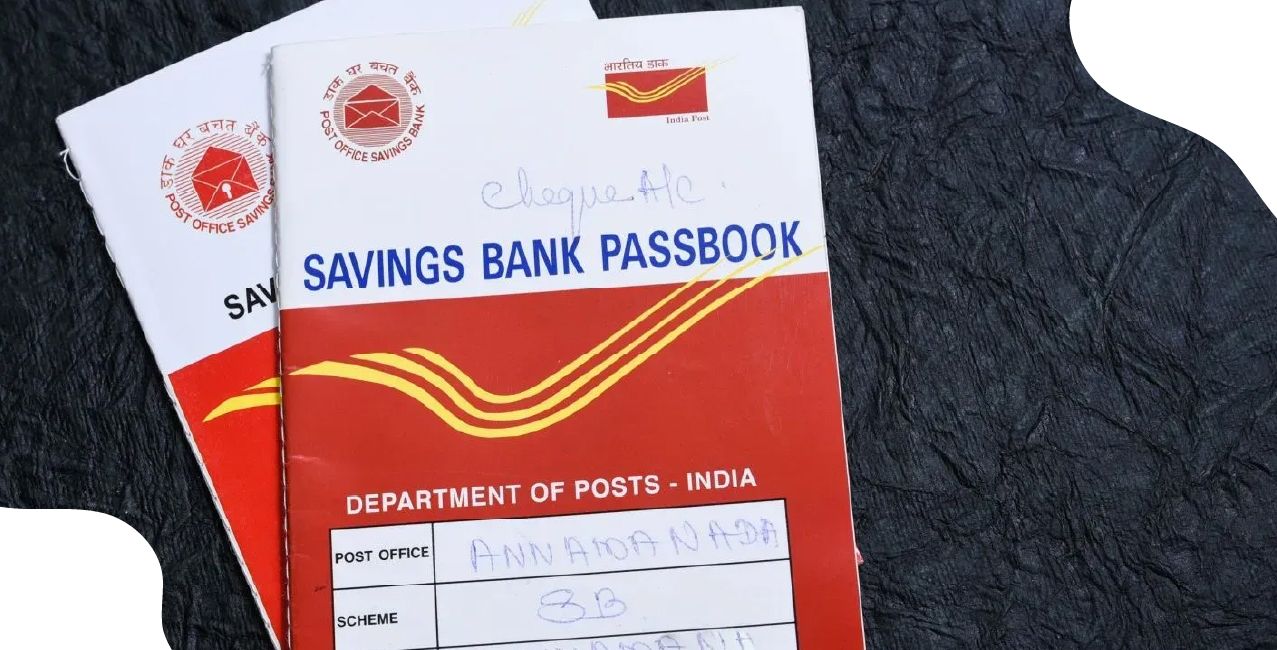
Bank Account Details

Employee’s personal bank account number + IFSC code.

Required for receiving PF withdrawals, pension payments, and claim settlements directly.

PAN

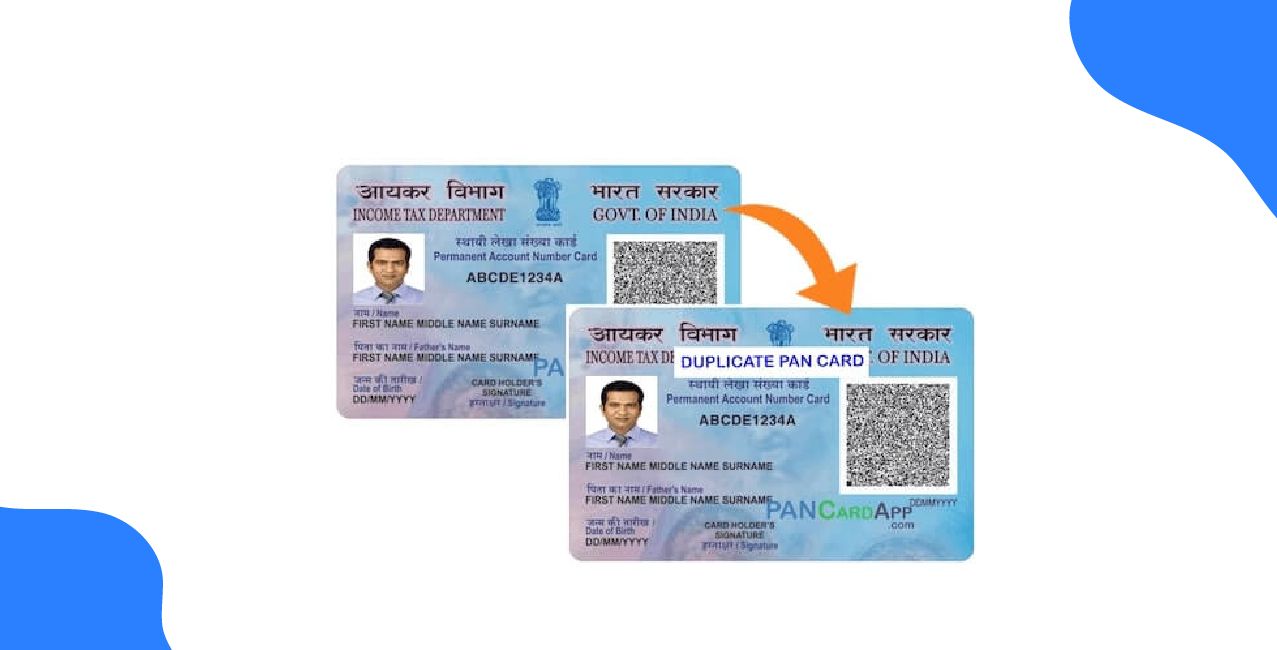
The Permanent Account Number must be updated in the EPFO portal.

Helps avoid higher TDS during PF withdrawal and supports identity verification.

Other Optional KYC Documents

Passport, Driving Licence, Voter ID, Ration Card (where applicable).

Acts as additional identity proof for verification during certain claims or job transitions.


Roshni linked her EPF account with her UAN number to secure her EPF benefits. She was prepared in case she switched to another firm. In short, tick these boxes, and you’re in. No rocket science. Easy-peasy for tech folks in Gurugram.

Conclusion

EPF is like insurance for your future. You may change jobs, work in new technologies, shift cities, but EPF stays with you (thanks to UAN). It is long-term financial health built invisibly in the background. Plus, the pension under EPS gives you a steady monthly income post-retirement, not just a one-time lump sum. For a coder who automates campaigns by day and dreams of long vacations by night, that kind of stability is gold.

Whether it’s a rainy day, a job shift, or retirement, EPF benefits act like dependable servers. So to all my salaried warriors reading this, don’t treat EPF as a monthly deduction. Treat it like deploying a long-term savings script. Your future self will thank you.

FAQs Related to EPF Benefits

What happens if an EPF member dies while still working?
Their spouse or widow/widower gets a monthly pension. Children (up to 25 years old) also get a pension, or an orphan pension if the spouse is not alive. 
 

Can a member withdraw EPF before retirement if they leave their job early with less than 10 years’ service?
Yes, in that case, members will get withdrawal benefits instead of a pension; the accumulated corpus (employee + employer contributions + interest) can be withdrawn.
 

Can you get your stuck Employees' Provident Fund Organisation (EPFO) money back even after years of delays due to system errors?
Yes, if you persistently follow up, correct errors (like wrong “Basic Pay” entry), and appeal when necessary, your stuck EPF money can eventually be refunded, even after 2-3 years. 
 

Why are so many EPF claims being rejected lately?
Because even if the EPF balance seems fine, problems with pension-schema (EPS) records, like missing EPS contributions, wrong exit dates, multiple UANs, or incomplete forms (Form 10C, 3A, etc.). These often block claims.
 

What are the EPF benefits for homemakers in India?
Homemakers in India are not eligible for Employee Provident Fund (EPF) benefits unless they are employed in a formal sector job and contributing to EPF. However, the rules and regulations related to EPF may change over time.
 

How do I get back the EPF benefit? I've been working in an organization for 3 years, and they have not deducted my EPF.
Go through your appointment letter. Find out whether the EPF component is mentioned in your appointment letter. If it is not mentioned, then you have to talk to your HR and find out whether your company has an EPF facility. Some companies may not have this facility.


Apply for Loans Fast and Hassle-Free

About the Author

logo

LoansJagat Team

‘Simplify Finance for Everyone.’ This is the common goal of our team, as we try to explain any topic with relatable examples. From personal to business finance, managing EMIs to becoming debt-free, we do extensive research on each and every parameter, so you don’t have to. Scroll up and have a look at what 15+ years of experience in the BFSI sector looks like.

coin

Quick Apply Loan

tick
100% Digital Process
tick
Loan Upto 50 Lacs
tick
Best Deal Guaranteed

Subscribe Now