By continuing, you agree to LoansJagat's Credit Report Terms of Use, Terms and Conditions, Privacy Policy, and authorize contact via Call, SMS, Email, or WhatsApp
Disclaimer: The information published on LoansJagat is intended for general informational and educational purposes only and should not be considered financial, legal, or investment advice. Interest rates, loan terms, statistics, and other data may change over time and may vary by lender or source. Please verify the latest information and consult a qualified financial advisor or the respective Bank/NBFC before making any financial decisions.
Apply for Loans Fast and Hassle-Free
Subscribe Now
About the author

LoansJagat Team
‘Simplify Finance for Everyone.’ This is the common goal of our team, as we try to explain any topic with relatable examples. From personal to business finance, managing EMIs to becoming debt-free, we do extensive research on each and every parameter, so you don’t have to. Scroll up and have a look at what 15+ years of experience in the BFSI sector looks like.
Related Blog Post
Simplify All Your Loans Into One Affordable EMI

Customers Served

Debt Consolidated

1200+ Reviews

Locations in India
Club all Loans & Credit Card Bills into Single EMI

Quick Apply Loan
Consolidate your debts into one easy EMI.

Takes less than 2 minutes. No paperwork.

10 Lakhs+
Trusted Customers

2000 Cr+
Loans Disbursed

4.7/5
Google Reviews

50+
Banks & NBFCs Offers
Other services mentioned in this article
Key takeaways:
BONUS: FIREWOOD, FUELWOOD, AND WOOD CHARCOAL ARE COMPLETELY EXEMPT FROM GST, MEANING NO TAX IS APPLIED WHEN THESE ITEMS ARE SOLD OR PURCHASED.
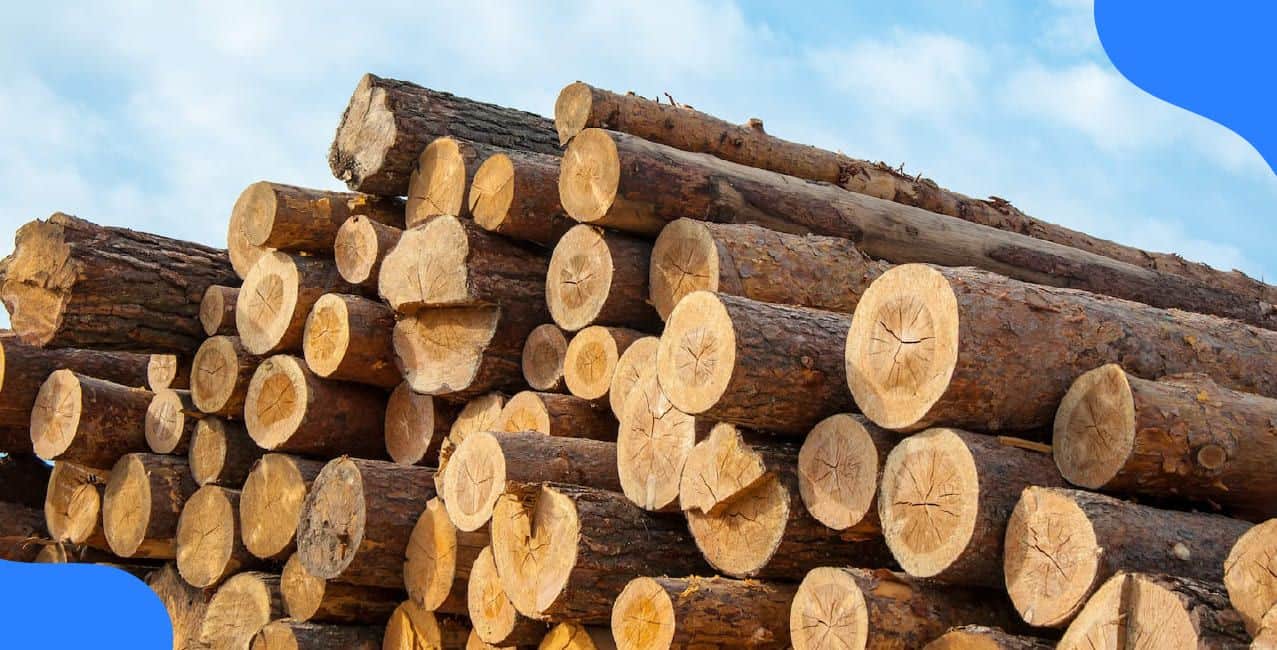
GST on wood refers to the tax applied on wooden goods like furniture, frames, kitchenware, and handicrafts. The government recently changed the GST rate from 12% to 5% to support artisans and businesses that use wood-based products.
Rahul Verma is a small business owner in Jaipur who makes wooden kitchen tools. Earlier, when he sold items worth ₹10,000, he had to pay ₹1,200 as GST (12%). Now, after 22 September 2025, he only pays ₹500 as GST (5%). This change helps Rahul save ₹700 on each such transaction. With 50 orders a month, he now saves around ₹35,000 yearly, which he uses to buy digital billing tools and improve his product packaging.
This blog explains the new GST on wood, the updated rates, how it impacts artisans and fintech, and what businesses need to know.
The government has changed how the GST works for wooden goods. Earlier, different wood items were taxed at 12%. Now, most of these items come under the 5% slab. This change is part of India’s move to make GST simpler by reducing the number of tax slabs.
The GST on wood now covers a wide list of products, including handmade furniture, photo frames, wooden utensils, plywood, and even bamboo items. These items are now more affordable to make and buy.
This table highlights the change in tax rate before and after the GST update for common wood products:
The new 5% rate makes wooden goods cheaper for both sellers and buyers. It also supports traditional Indian crafts and furniture makers.
Lower GST on wood brings direct savings for small sellers and artisans. Earlier, many of them could not afford high GST payments or lost customers due to higher pricing. With a 5% GST rate, they can now price their goods better and increase sales.
Let’s take another example. A woman named Aarti runs a home-based business making bamboo trays and wooden spoons. If she sells ₹20,000 worth of items in a week, earlier she paid ₹2,400 as GST (12%). Now she pays ₹1,000 (5%), saving ₹1,400 per week. Over a year, this adds up to nearly ₹72,000.
These simple points show the financial benefits of reduced GST on wood for artisans and micro businesses.
The 5% GST rate not only saves money but also encourages more small sellers to become part of the formal economy through fintech support.
The change in GST on wood makes it easier for businesses to stay updated, but managing taxes still needs tools. This is where fintech companies play a big role. They provide apps and software that help small businesses calculate GST, send invoices, and file returns automatically.
Take the case of Manish, who runs a small wooden photo frame business in Nagpur. Earlier, he calculated GST manually and often made errors. Now, he uses a mobile app to calculate 5% GST, generate e-invoices, and file returns every month. It saves him 3 hours per week and reduces the risk of mistakes.
This table explains how digital tools are helping small wood businesses save time and effort in GST filing:
Fintech tools help sellers stay compliant, avoid penalties, and focus more on growing their wooden product business.
Many products made of wood are now covered under the 5% GST slab. This includes both useful household items and decorative or handmade goods. It also covers bamboo-based products, which are common in rural areas and handicraft centres.
Let’s consider Kavita, who sells carved wall hangings and small wooden stools. Earlier, her customers found them too costly due to the 12% tax. Now with 5% GST, she has reduced her prices without affecting her profit margin.
This table gives a wider look at the types of wood-based products that now fall under the 5% GST slab:
*T&C Apply
This wide coverage of wood products under the 5% GST slab helps both traditional artisans and modern sellers reach more buyers.
Lower GST on wood products does more than help small sellers. It also boosts the entire wood-based economy. Products become more affordable, which increases demand, helping more artisans, traders, and manufacturers across the supply chain.
Rahul, who owns a plywood distribution business in Lucknow, says his monthly sales went up by 20% after the new GST rate. Shops that were earlier buying 50 units of plywood now buy 60 to 65 units because of better pricing.
These benefits show how reduced GST makes products cheaper and drives more sales in the wood industry:
Lower GST on wood increases both supply and demand, giving a boost to artisans, wholesalers, and buyers.
Fintech companies are offering special features to help wood businesses manage GST. From GST invoice generators to payment tracking dashboards, these tools help save time, reduce mistakes, and stay updated with tax rules.
For example, Ramesh uses a free fintech platform to track daily sales of his bamboo furniture business in Kerala. He gets monthly GST reports, automatic tax calculation, and reminders before return deadlines. Earlier, he paid ₹2,000 to an accountant every month. Now, the software does it all for free.
This table lists useful fintech services that help sellers manage GST on wood products more easily and accurately:
Fintech tools reduce manual work and make GST filing stress-free for sellers of wooden items.
The new 5% GST on wood is a big step forward for artisans, micro businesses, and sellers working in the wood product space. By cutting down the tax rate from 12% to 5%, the government has made wooden goods more affordable, which has increased demand and helped sellers grow.
At the same time, the use of fintech solutions like automated GST calculators and filing tools means that small traders no longer need to depend entirely on accountants. They can now run their businesses in a more digital, error-free, and profitable way.
In the long run, this move is expected to push India’s wooden goods sector towards better formalisation, wider reach, and higher profits, all with the help of simple tax policies and smart digital tools.
1. Are wood products exported from India also taxed under GST?
No, exports are considered zero-rated under GST. However, exporters of wooden goods must file proper GST returns and may claim input tax credit or refunds, depending on their tax status and method of export.
2. Can GST paid on wood raw materials be claimed as input credit by furniture manufacturers?
Yes, businesses registered under GST can claim input tax credit (ITC) on GST paid for raw materials like timber, plywood, and polish, provided they use these inputs to manufacture taxable goods.
3. How do GST rules treat composite products like wood with metal or glass?
If the product is a composite supply, the primary material determines the GST rate. For example, a wooden table with metal legs is taxed under wood (5%) if wood is the main component. But classification must be consistent with HSN codes.
4. Is e-invoicing mandatory for small-scale wood sellers under the new GST regime?
No, e-invoicing is currently mandatory only for businesses with turnover above the threshold. Small artisans and traders below this limit are not required to generate e-invoices but may do so voluntarily.
5. Can businesses selling firewood or fuelwood claim GST credit on other purchases?
No. Since firewood, fuelwood, and charcoal are exempt from GST, sellers dealing only in these items are not eligible for input tax credit on their purchases related to exempt sales.