By continuing, you agree to LoansJagat's Credit Report Terms of Use, Terms and Conditions, Privacy Policy, and authorize contact via Call, SMS, Email, or WhatsApp
Disclaimer: The information published on LoansJagat is intended for general informational and educational purposes only and should not be considered financial, legal, or investment advice. Interest rates, loan terms, statistics, and other data may change over time and may vary by lender or source. Please verify the latest information and consult a qualified financial advisor or the respective Bank/NBFC before making any financial decisions.
Subscribe Now
About the author

‘Simplify Finance for Everyone.’ This is the common goal of our team, as we try to explain any topic with relatable examples. From personal to business finance, managing EMIs to becoming debt-free, we do extensive research on each and every parameter, so you don’t have to. Scroll up and have a look at what 15+ years of experience in the BFSI sector looks like.
Related News
Simplify All Your Loans Into One Affordable EMI

Customers Served

Debt Consolidated

1200+ Reviews

Locations in India
Club all Loans & Credit Card Bills into Single EMI

Quick Apply Loan
Consolidate your debts into one easy EMI.

Takes less than 2 minutes. No paperwork.

10 Lakhs+
Trusted Customers

2000 Cr+
Loans Disbursed

4.7/5
Google Reviews

50+
Banks & NBFCs Offers
Other services mentioned in this article
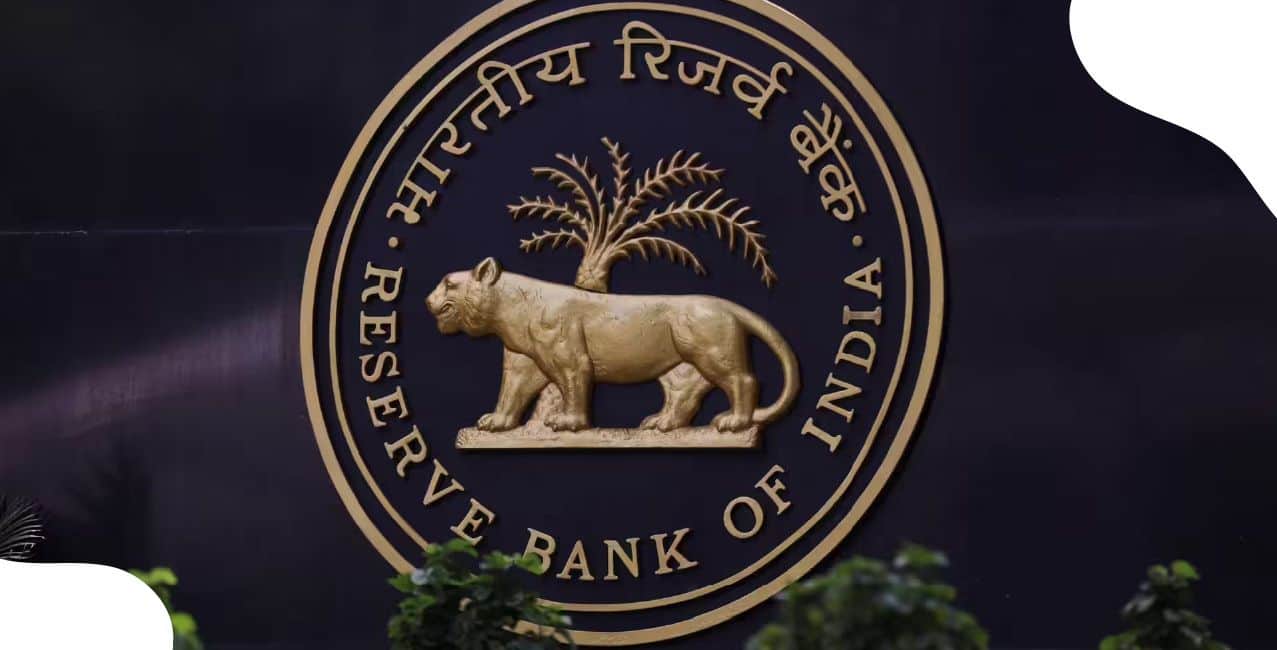
The Reserve Bank of India pulled up the Gujarat-based Mehsana Urban Co-operative Bank for breaking basic lending rules again.
The fine of ₹25 lakh was announced on 31 October 2025 after the RBI found that the bank had not followed the proper guidelines for recognising income, classifying assets and making provisions.
The inspection covered accounts up to 31 March 2024. Officials said several loan files were marked incorrectly, and the bank failed to set aside enough money for risky loans. This is not the first time the bank has been fined. The latest penalty fits a pattern that has continued over the past few years.
Over the years, Mehsana Urban Co-operative Bank has faced several penalties for various compliance issues. The trend shows repeated policy breaches despite previous regulatory actions.
The repeated fines suggest that the same mistakes continue to happen even after the regulator’s warnings.
The RBI imposed the penalty under Section 47A of the Banking Regulation Act. The report mentioned that the bank delayed marking bad loans and did not make proper provisions. Provisioning is the amount kept aside to cover possible loan losses, and missing it can make a balance sheet appear stronger than it really is.
A report by LoansJagat in October 2025 showed that the RBI fined 353 financial institutions in FY 2024–25. The total amount of penalties reached ₹54.78 crore, and co-operative banks made up a large part of that list.
This data shows that the RBI’s focus on compliance has increased across the banking sector.
In July 2024, the same bank was fined ₹5.93 crore for giving loans to its own directors and for weak cyber-security systems. That report had already warned that compliance standards among co-operative banks were falling.
This new penalty shows that internal checks have not improved much. Every few months, a new fine surfaces, affecting public confidence in the co-operative banking system.
The RBI keeps saying its penalties are meant to correct behaviour, not close banks. Still, repeated fines create pressure. The Ministry of Cooperation has been reviewing co-operative bank functioning under its Reform and Audit Strengthening Plan 2024. It asks for tighter audits and real-time data checks.
Earlier cases in Maharashtra and Gujarat show that smaller co-ops often struggle with the same compliance lapses. Feels like the system needs discipline more than punishment.
*T&C Apply
The latest fine on Mehsana Urban Co-operative Bank was due to incorrect classification of loan accounts, failure to maintain adequate provisions, and ignoring earlier RBI directions. These issues point to ongoing weaknesses in internal compliance rather than isolated errors.
Such repeated violations can affect depositor confidence and lead to deeper scrutiny by the regulator.
The ₹25 lakh penalty may not have a big financial impact, but it can harm the bank’s reputation. Regulators will now monitor it more closely, and customers may start asking questions about its stability.
If the bank improves its record-keeping and strengthens its audit controls, it can rebuild trust. But if the same pattern continues, stronger regulatory action could follow.
In India’s banking system, ignoring small compliance issues often leads to bigger problems later.









.png&w=3840&q=75)



