By continuing, you agree to LoansJagat's Credit Report Terms of Use, Terms and Conditions, Privacy Policy, and authorize contact via Call, SMS, Email, or WhatsApp
Disclaimer: The information published on LoansJagat is intended for general informational and educational purposes only and should not be considered financial, legal, or investment advice. Interest rates, loan terms, statistics, and other data may change over time and may vary by lender or source. Please verify the latest information and consult a qualified financial advisor or the respective Bank/NBFC before making any financial decisions.
Subscribe Now
About the author

‘Simplify Finance for Everyone.’ This is the common goal of our team, as we try to explain any topic with relatable examples. From personal to business finance, managing EMIs to becoming debt-free, we do extensive research on each and every parameter, so you don’t have to. Scroll up and have a look at what 15+ years of experience in the BFSI sector looks like.
Related News
Simplify All Your Loans Into One Affordable EMI

Customers Served

Debt Consolidated

1200+ Reviews

Locations in India
Club all Loans & Credit Card Bills into Single EMI

Quick Apply Loan
Consolidate your debts into one easy EMI.

Takes less than 2 minutes. No paperwork.

10 Lakhs+
Trusted Customers

2000 Cr+
Loans Disbursed

4.7/5
Google Reviews

50+
Banks & NBFCs Offers
Other services mentioned in this article
Cross-border payments have steadily increased as Indians spend more on overseas education, travel, investments and family remittances. However, these transactions often come with costs that are not disclosed upfront.
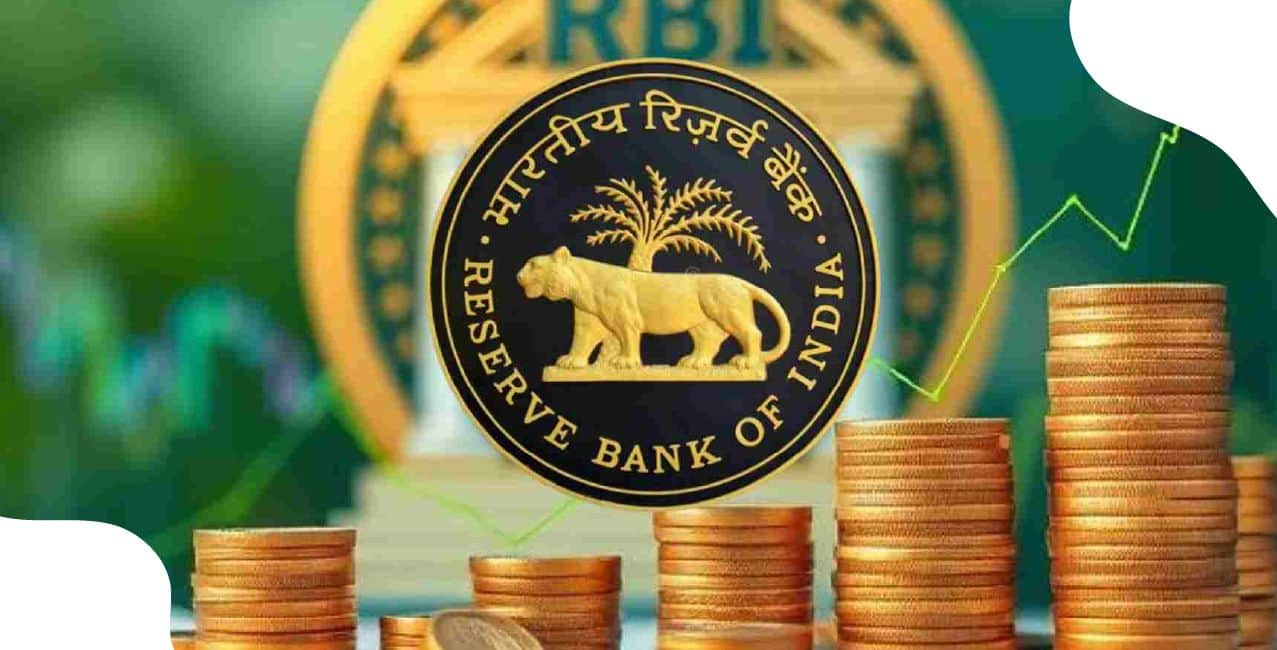
Customers usually see only the exchange rate, while additional deductions surface after the payment is processed. To address rising complaints around Hidden charges on forex transactions, the Reserve Bank of India released a draft framework on December 6, 2025, aimed at improving transparency and consumer awareness in foreign exchange dealings.
The RBI draft proposal and transaction cost disclosures were reported by The Times of India and The Economic Times on December 9, 2025, bearing reference number DPSS.CO.PD.No.187/02.14.003/2025-26, published under the Payments and Settlement Systems section of the RBI website. The proposal mandates authorised dealers to disclose the total cost of a forex transaction before execution.
The syndicated version of the RBI draft proposal appeared on Caalley, based on Times of India reporting, This applies to foreign exchange cash transactions settled on the same day (T+0), Tom transactions settled the next business day (T+1), and Spot transactions settled within two business days (T+2). Retail foreign exchange derivative contracts are also included.
Once finalised, the disclosure norms will come into effect within three months of issuance, allowing customers to compare pricing before committing to a transaction.
The current proposal builds on earlier regulatory action taken by the RBI. On January 5, 2024, the central bank issued Circular No. RBI/2023-24/112, requiring authorised dealers to disclose mid-market rates for forex and foreign currency interest rate derivatives. Despite this measure, consumer grievances related to opaque pricing continued.
Data from the World Bank showed that the average cost of sending $200 to India stood at 4.9 percent as of October 2025, well above the United Nations’ recommended threshold of 3 percent.
Domestic data revealed similar trends. Banks typically charge forex margins ranging between 2 percent and 4 percent, often bundled into exchange rates. In addition, Indian credit cards typically charge 2-5% forex markup on foreign currency transactions (plus applicable taxes). These factors kept Hidden charges on forex transactions firmly under regulatory focus.
The draft norms apply to Authorised Dealer Category-I banks and Standalone Primary Dealers authorised under Category-III.
Retail customers will benefit directly. As per RBI classification, non-retail users include NBFCs, insurance companies, mutual funds, alternative investment funds and Indian entities with a net worth of ₹500 crore or more or turnover of ₹1,000 crore or more.
Independent personal finance research also supports the RBI’s concerns. According to LoansJagat, many Indian credit cards typically charge a forex markup fee of around 2%–3.5% on transactions made outside India (e.g., in foreign currency purchases or overseas shopping), which increases the total cost paid by the consumer. This further shows the need for upfront, standardised disclosure of total transaction costs.
The RBI’s draft framework is a significant step towards curbing Hidden charges on forex transactions. If implemented effectively, it could bring long-needed clarity and predictability to overseas payments for Indian consumers.
*T&C Apply









.png&w=3840&q=75)



