By continuing, you agree to LoansJagat's Credit Report Terms of Use, Terms and Conditions, Privacy Policy, and authorize contact via Call, SMS, Email, or WhatsApp
Disclaimer: The information published on LoansJagat is intended for general informational and educational purposes only and should not be considered financial, legal, or investment advice. Interest rates, loan terms, statistics, and other data may change over time and may vary by lender or source. Please verify the latest information and consult a qualified financial advisor or the respective Bank/NBFC before making any financial decisions.
Subscribe Now
About the author

LoansJagat Team
‘Simplify Finance for Everyone.’ This is the common goal of our team, as we try to explain any topic with relatable examples. From personal to business finance, managing EMIs to becoming debt-free, we do extensive research on each and every parameter, so you don’t have to. Scroll up and have a look at what 15+ years of experience in the BFSI sector looks like.
Related News
Simplify All Your Loans Into One Affordable EMI

Customers Served

Debt Consolidated

1200+ Reviews

Locations in India
Club all Loans & Credit Card Bills into Single EMI

Quick Apply Loan
Consolidate your debts into one easy EMI.

Takes less than 2 minutes. No paperwork.

10 Lakhs+
Trusted Customers

2000 Cr+
Loans Disbursed

4.7/5
Google Reviews

50+
Banks & NBFCs Offers
Other services mentioned in this article
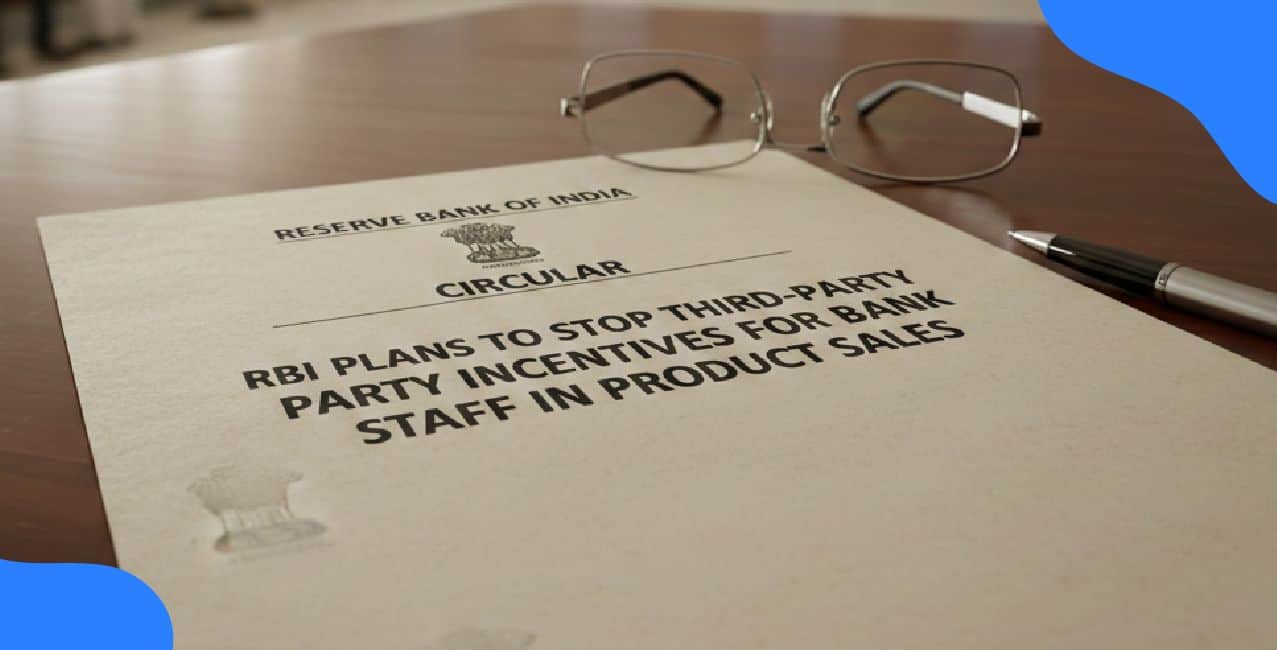
RBI has floated draft rules to curb mis-selling by banks, including stopping third-party incentives to bank staff and tightening suitability checks and refunds.
Banks sell third-party products like insurance and mutual funds at branches, on calls and across apps. Regulators and consumer groups have long flagged that sales targets and incentive-led distribution can push unsuitable products on customers.
RBI’s latest draft proposals, reported on 11-02-2026, seek to tighten how banks advertise, market and sell, especially where a third party is involved. The big shift is that third parties should not pay incentives to bank staffers for pushing their products.
The draft also targets forced bundling, misleading digital nudges and gaps in post-sale grievance handling. The public can send feedback till 04-03-2026.
The draft framework is aimed at cleaning up the sales pipeline, from branch pitches to app journeys. A central proposal is to stop incentives from third parties reaching bank employees for selling third-party products. The intent is to reduce conflict of interest so staff do not pitch products mainly because a payout is linked to it.
Reports also highlight stronger expectations on product suitability, clearer disclosures, and stricter rules on “dark patterns” on digital interfaces. Customers should not be nudged into purchases through confusing buttons, pre-ticked boxes or tricky flows.
What The Draft Tries To Fix
Another consumer-facing proposal flagged in reporting is post-sale follow-up. Coverage says banks may need to seek customer feedback within 30 days of the sale, creating an early warning loop for mis-selling patterns. (Source: Mint)
This draft sits inside a broader February 2026 push around conduct in retail finance. Economic Times Reporting in early February noted that RBI was working on draft guidelines to deal with mis-selling and also loan recovery practices.
Separately, another RBI-linked draft track on loan recovery, as covered by Economic Times, speaks about disclosures and checks around harsh recovery behaviour. It signals a tighter approach on customer protection and staff and agent conduct.
The focus on digital design is also part of this arc. Multiple outlets flagged that RBI wants banks to avoid manipulative interface patterns in selling journeys, aligning with wider consumer-protection debates around deceptive online nudges.
Suitability checks
*T&C Apply
Dates To Track In This Draft Cycle
RBI’s stance, as reported, is that mis-selling has serious consequences and banks must take responsibility for what gets sold through their channels, even when it is a third-party product.
Industry coverage suggests banks may need to redesign cross-sell models if staff-linked payouts from partners are restricted.
Consumer-facing reports highlight full refunds and compensation expectations when mis-selling is proven.
For compliance context and how penalties get tracked in the ecosystem: LoansJagat.
If the draft rules stay largely intact, banks will need to clean up third-party selling and digital nudges quickly. The consultation window till 04-03-2026 will shape the final version.









.png&w=3840&q=75)



