By continuing, you agree to LoansJagat's Credit Report Terms of Use, Terms and Conditions, Privacy Policy, and authorize contact via Call, SMS, Email, or WhatsApp
Disclaimer: The information published on LoansJagat is intended for general informational and educational purposes only and should not be considered financial, legal, or investment advice. Interest rates, loan terms, statistics, and other data may change over time and may vary by lender or source. Please verify the latest information and consult a qualified financial advisor or the respective Bank/NBFC before making any financial decisions.
Subscribe Now
About the author

‘Simplify Finance for Everyone.’ This is the common goal of our team, as we try to explain any topic with relatable examples. From personal to business finance, managing EMIs to becoming debt-free, we do extensive research on each and every parameter, so you don’t have to. Scroll up and have a look at what 15+ years of experience in the BFSI sector looks like.
Related News
Simplify All Your Loans Into One Affordable EMI

Customers Served

Debt Consolidated

1200+ Reviews

Locations in India
Club all Loans & Credit Card Bills into Single EMI

Quick Apply Loan
Consolidate your debts into one easy EMI.

Takes less than 2 minutes. No paperwork.

10 Lakhs+
Trusted Customers

2000 Cr+
Loans Disbursed

4.7/5
Google Reviews

50+
Banks & NBFCs Offers
Other services mentioned in this article
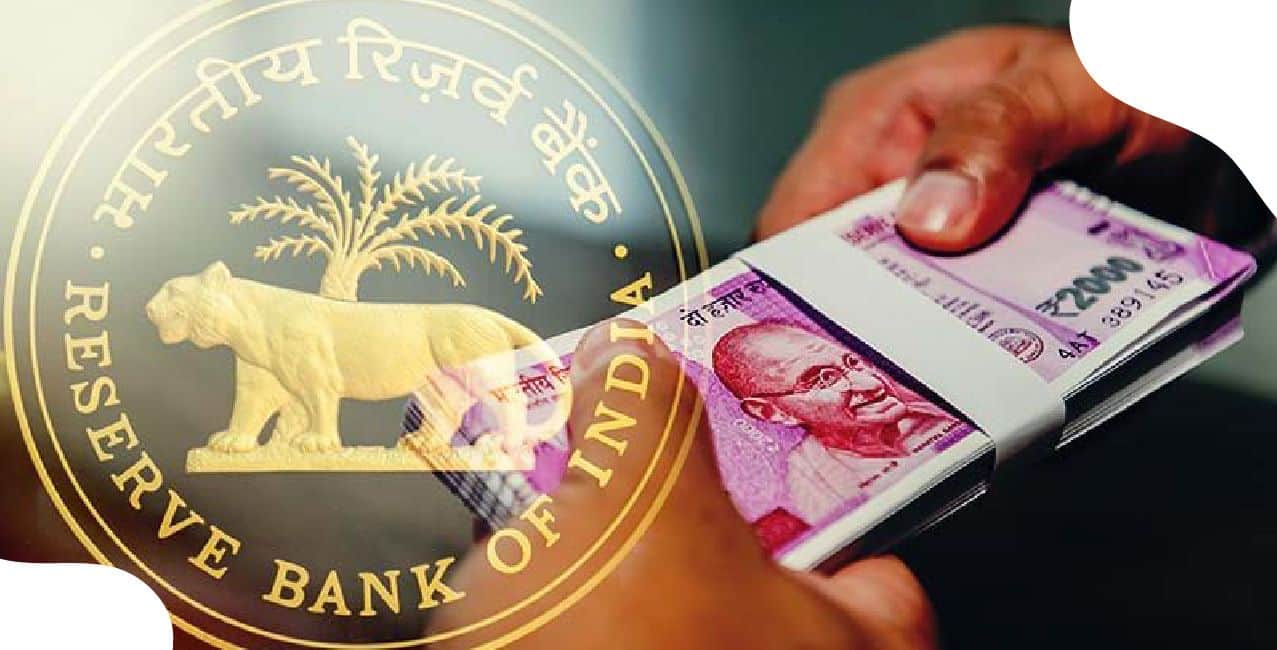
The Reserve Bank of India (RBI) surprised markets by calling an emergency meeting with banks on 3 November 2025 after system liquidity turned sharply negative.
The move came on the same day the RBI cancelled a ₹110 billion auction of seven-year government bonds, something traders called rare, and slightly worrying.
According to market experts, the central bank’s liquidity concern is genuine.
An Economic Times report on 22 October 2025 showed that banking system liquidity had slipped into a deficit of about ₹52,300 crore.
Festive withdrawals, heavy foreign-exchange interventions, and rising government borrowings have all tightened cash availability. Even a small liquidity squeeze can shake bond yields and short-term lending rates, a familiar pattern for old-timers in India’s money markets.
In the past few weeks, liquidity has fluctuated sharply, prompting the RBI to seek direct feedback from major lenders. The meeting was meant to assess whether more repo operations or other temporary tools were needed to calm the system.
This shortfall pushed the RBI to start RBI liquidity management discussions with lenders. Officials wanted to know if more repo operations or other short-term steps were needed. Nobody wants bond yields spiking again before year-end.
Liquidity management sounds like jargon but it’s simple. It means how the RBI keeps enough money moving through banks so credit doesn’t dry up. The goal is to steady interest rates while managing inflation.
A LoansJagat report published on 29 October 2025 said state governments plan to borrow ₹2.82 lakh crore between October and December. That’s heavier than last quarter. Add the central government’s ₹2.60 lakh crore borrowing, and the market looks crowded. When supply is high and liquidity is tight, borrowing gets costlier. It’s basic but painful math.
These numbers show why the reasons behind RBI’s liquidity talks go beyond one meeting. The system is under stress from multiple sides, festive cash demand, FX interventions, and now, higher borrowing. That’s how we see it anyway.
Yes. Liquidity tightness often follows the same pattern.
This is not the first time liquidity and forex moves have clashed. In an earlier piece titled Monetary Moves: How RBI’s FX Actions Shaped Market Liquidity, we reported how the RBI’s dollar sales to protect the rupee had quietly tightened domestic liquidity.
It’s happening again. When the rupee weakens, RBI sells dollars, which pulls rupees out of circulation. Simple cause, hard fix.
So the central bank liquidity concerns in India today are not new. The cycle repeats every few years, currency defence, liquidity shortage, market tension. Feels like an old story with a new headline.
In 2020, the RBI launched the Targeted Long-Term Repo Operations (TLTRO) to ease credit during the pandemic. The next year, 2021, came the G-SAP bond purchase plan to cool long-term yields.
Now in 2025, the RBI measures to address liquidity issues may include short repos or a tweak in the cash reserve ratio. Officials are keeping options open, at least for now.
*T&C Apply
The government has also hinted it might review borrowing schedules if the market stays tight. Different time, same coordination dance between Mint Street and North Block.
Nobody expects a big panic. But traders are watching the next auction cycle and repo data closely. Liquidity will probably improve once government spending picks up in November. Still, a few more RBI liquidity management discussions are likely.
What feels clear is this: the RBI wants to fix the flow quietly, before pressure builds again. Managing money in India is never just policy work, it’s half timing, half instinct. Sometimes both fail together.









.png&w=3840&q=75)



