By continuing, you agree to LoansJagat's Credit Report Terms of Use, Terms and Conditions, Privacy Policy, and authorize contact via Call, SMS, Email, or WhatsApp
Disclaimer: The information published on LoansJagat is intended for general informational and educational purposes only and should not be considered financial, legal, or investment advice. Interest rates, loan terms, statistics, and other data may change over time and may vary by lender or source. Please verify the latest information and consult a qualified financial advisor or the respective Bank/NBFC before making any financial decisions.
Apply for Loans Fast and Hassle-Free
Subscribe Now
About the author

LoansJagat Team
‘Simplify Finance for Everyone.’ This is the common goal of our team, as we try to explain any topic with relatable examples. From personal to business finance, managing EMIs to becoming debt-free, we do extensive research on each and every parameter, so you don’t have to. Scroll up and have a look at what 15+ years of experience in the BFSI sector looks like.
Related Blog Post
Simplify All Your Loans Into One Affordable EMI

Customers Served

Debt Consolidated

1200+ Reviews

Locations in India
Club all Loans & Credit Card Bills into Single EMI

Quick Apply Loan
Consolidate your debts into one easy EMI.

Takes less than 2 minutes. No paperwork.

10 Lakhs+
Trusted Customers

2000 Cr+
Loans Disbursed

4.7/5
Google Reviews

50+
Banks & NBFCs Offers
Other services mentioned in this article
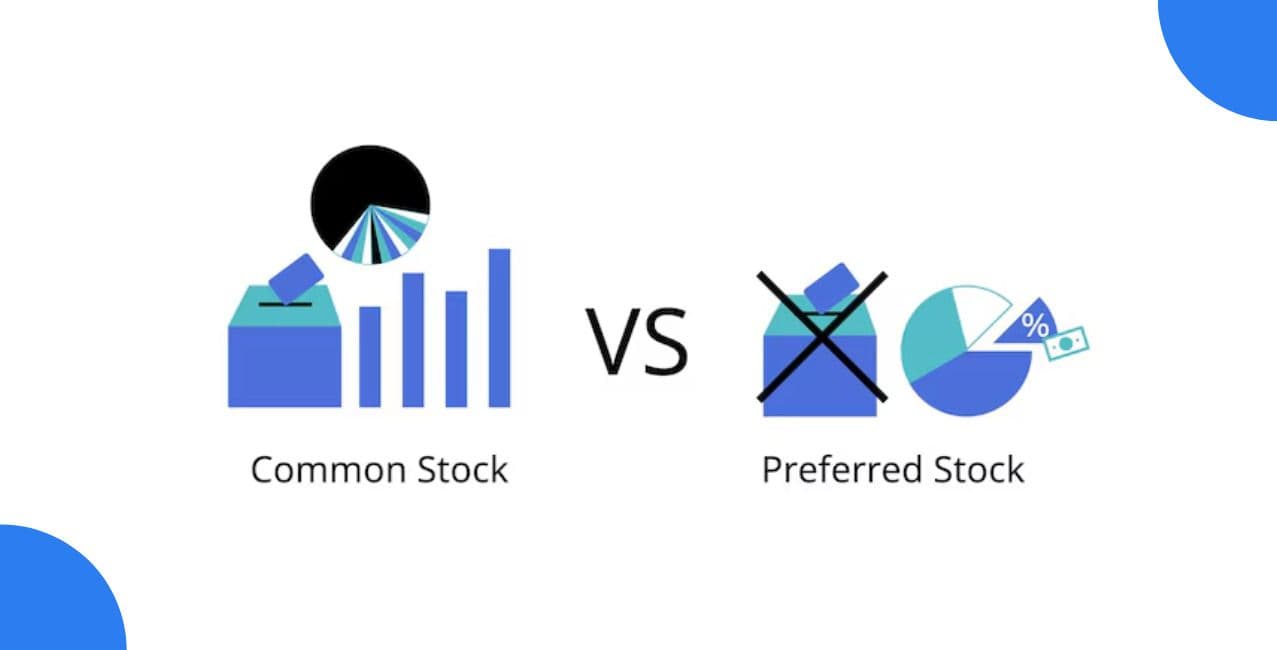
Convertible preferred stock is a type of share that pays fixed dividends and lets the owner choose to convert it into a set number of ordinary shares, offering steady income along with the chance to gain if the company does well.
In 2023, a small tech company called NovaTech raised £100,000 by selling 1,000 convertible preferred shares at £100 each. These shares paid a 6% yearly dividend and gave investors the right to swap each one for 8 ordinary shares. At first, NovaTech’s ordinary shares traded at £10, so converting wasn’t a good deal. But by the end of 2025, after a successful product launch, the share price jumped to £18. Many investors chose to convert their shares, turning each £100 preferred share into 8 ordinary shares worth £144. This gave them a 44% gain, plus two years of dividend payments. The company also benefited, as it no longer had to pay dividends on the converted shares.
The table below explains the main features of convertible preferred shares. It shows key terms like dividends, conversion terms, and liquidation rights.
Knowing how these features work helps founders raise money smartly and gives investors both steady returns and a chance to benefit if the company grows.
The table below shows the main pros and cons of investing in convertible preferred shares. It explains how these shares offer both steady income and growth opportunities, but also come with some risks.
Convertible preferred shares give investors a mix of income and growth potential, but they must understand the possible risks, like dilution and forced conversion, before investing.
Companies, especially startups, use convertible preferred shares to raise money without giving up ownership straight away. This type of funding is flexible, appeals to different kinds of investors, and helps during big moves like mergers or expansions.
Example:
A startup raises ₹5 crore by issuing 500,000 convertible preferred shares at ₹100 each.
*T&C Apply
Two years later, the company’s share price rises to ₹15.
Companies often use convertible preferred stock for practical financing, especially in venture capital, mandatory conversions by large firms, and when shares convert after IPOs or acquisitions.
Example:
A tech startup raises ₹10,00,00,000 (₹10 crore) by selling 10,00,000 CCPS at ₹100 each.
It offers a 6% dividend, so it pays investors ₹60,00,000 (₹60 lakh) every year.
Each CCPS converts into 10 ordinary shares, so the conversion price is ₹10.
Two years later, the company grows and the share price rises to ₹15:
The company stops paying dividends on converted shares, which saves money.
Indian companies like Oyo and Ather use CCPS to raise funds while keeping control in the early stages. Investors get steady income and a chance to benefit from share price growth. This method works well for both sides, especially before an IPO or acquisition.
Convertible preferred stock is a smart mix of steady income and future growth. It lets investors earn fixed dividends and gives them the option to switch their shares into ordinary equity later. Startups and large companies use it to raise funds, delay dilution, and attract a wider range of investors. It works well in both early-stage ventures and strategic finance plans.
1. Why do startups prefer issuing convertible preferred stock?
Startups use it to raise money without giving up too much control too early. They offer dividends now and let investors convert later, usually after the company grows or reaches milestones like an IPO.
2. What happens if the share price doesn’t go up?
If the share price stays low, investors may not convert. In that case, they keep getting fixed dividends. It gives them some downside protection even if the company’s shares don’t perform well.
3. Can companies force investors to convert?
Yes, some agreements allow automatic conversion. For example, shares might convert if the company does an IPO or if the share price stays high for a set time. These rules are agreed on when the shares are issued.
4. Is convertible preferred stock common in India?
Yes, many Indian startups and private companies issue Compulsorily Convertible Preference Shares (CCPS). Firms like Oyo and Ather Energy have used them to raise large amounts and prepare for public listings.
Other Related Pages | |||