By continuing, you agree to LoansJagat's Credit Report Terms of Use, Terms and Conditions, Privacy Policy, and authorize contact via Call, SMS, Email, or WhatsApp
Disclaimer: The information published on LoansJagat is intended for general informational and educational purposes only and should not be considered financial, legal, or investment advice. Interest rates, loan terms, statistics, and other data may change over time and may vary by lender or source. Please verify the latest information and consult a qualified financial advisor or the respective Bank/NBFC before making any financial decisions.
Apply for Loans Fast and Hassle-Free
Subscribe Now
About the author

LoansJagat Team
‘Simplify Finance for Everyone.’ This is the common goal of our team, as we try to explain any topic with relatable examples. From personal to business finance, managing EMIs to becoming debt-free, we do extensive research on each and every parameter, so you don’t have to. Scroll up and have a look at what 15+ years of experience in the BFSI sector looks like.
Related Blog Post
Simplify All Your Loans Into One Affordable EMI

Customers Served

Debt Consolidated

1200+ Reviews

Locations in India
Club all Loans & Credit Card Bills into Single EMI

Quick Apply Loan
Consolidate your debts into one easy EMI.

Takes less than 2 minutes. No paperwork.

10 Lakhs+
Trusted Customers

2000 Cr+
Loans Disbursed

4.7/5
Google Reviews

50+
Banks & NBFCs Offers
Other services mentioned in this article
Key Takeaways
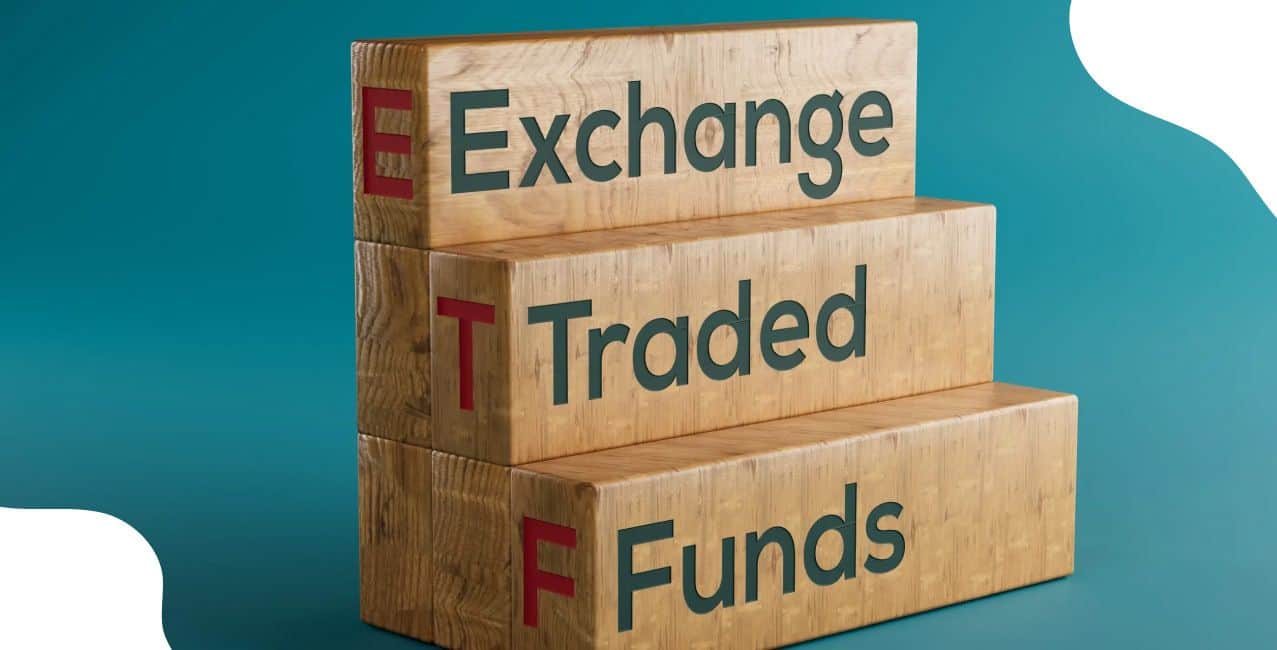
An exchange-traded fund (ETF) is an investment fund that holds a diversified portfolio of assets like stocks, bonds, or commodities and trades on stock exchanges just like individual stocks. ETFs combine the diversification benefits of mutual funds with the trading flexibility of stocks, allowing investors to buy or sell shares throughout market hours at current market prices.
For example, if you buy one unit of the Nifty 50 ETF for ₹150, you're essentially purchasing a tiny slice of all 50 companies in the Nifty index. Your investment moves up and down with the overall index performance, giving you instant diversification across India's largest companies through a single trade.
Meet Arun, a wealth management advisor, and his client Meera, a marketing executive exploring modern investment options. Throughout this blog, we'll follow their comprehensive discussion as Arun explains it to Meera on why ETFs have revolutionized investing for millions of investors worldwide.
Exchange-Traded Funds (ETFs) are investment baskets that trade like stocks, offering instant diversification and the ability to buy or sell at any time during market hours.
ETFs combine the advantages of mutual funds and stocks. They pool several assets, such as stocks or bonds, into a single fund, allowing investors to diversify without acquiring individual securities. Unlike mutual funds, which are determined once a day, ETF values change throughout the day due to supply and demand.
Most ETFs track market indices passively, which results in modest expenses. When you buy an ETF, you are purchasing shares of the fund rather than individual assets, making it a flexible and cost-effective investment.
The table below compares key features of ETFs with traditional mutual funds and individual stocks, highlighting how ETFs offer a unique combination of flexibility, diversification, cost efficiency, and transparency for investors.
ETFs combine the best of mutual funds and stocks by offering easy trading, broad diversification, lower fees, and clear information, making them a smart, flexible choice for most investors.
Bonus Point: Don’t overlook tax implications, ETFs are generally tax-efficient, but short-term trading can trigger capital gains.
Arun: "ETFs come in many varieties, covering nearly every asset class and strategy. You can invest in broad markets, specific sectors, bonds, commodities, or international markets, all through ETFs."
The table below summarizes the main types of ETFs, their investment focus, relative risk, typical expense ratios, examples, and ideal uses. This overview helps illustrate the wide range of opportunities ETFs provide to build diversified, cost-effective portfolios.
ETFs are popular because they offer low costs, easy trading throughout the day, daily transparency, broad diversification, and tax efficiency. Investors save on fees compared to mutual funds, can trade anytime during market hours, and get clear visibility of holdings. By holding many assets in one fund, ETFs reduce risk while helping build wealth efficiently.
The table highlights the main advantages of ETFs over traditional mutual funds and individual stocks. It shows how these benefits translate into better cost savings, flexibility, and overall investment value for investors.
*T&C Apply
Investor Impact
These advantages give investors more control over their money, lower fees, and better ways to manage taxes, reasons why ETFs have become so popular worldwide.
Bonus Tip: If you’re starting with a smaller budget, look into systematic investment plans (SIPs) or fractional shares. They make investing in ETFs more affordable and accessible.
ETFs combine the best features of mutual funds and stocks. They let you invest simply across many types of assets and markets, with low fees, easy trading, quick diversification, and regular updates. While there are some risks like trading costs and liquidity, ETFs remain a smart, flexible, and affordable choice for most investors who want more control and variety in their portfolios.
Q1: How do ETF expense ratios compare to mutual funds?
Compared to actively managed mutual funds, which charge 1.5% to 2.5%, exchange-traded funds (ETFs) usually have expense ratios of 0.05% to 0.75%. Over extended investing periods, this cost advantage can compound dramatically and save thousands of rupees yearly.
Q2: Are ETFs more secure than stocks?
ETFs are less risky than individual stocks because they offer quick diversification over a wide range of underlying assets. They still entail market risk, though, and will drop if the underlying markets or industries do poorly.
Q3: Do ETFs pay dividends?
Yes, ETFs that hold dividend-paying stocks typically distribute dividends to shareholders, usually quarterly. The dividend yield depends on the underlying holdings' dividend payments.
Q4. Are dividends paid by ETFs?
Yes, shareholders usually receive dividend payments from ETFs that contain dividend-paying companies on a quarterly basis. The dividend payments from the underlying stocks determine the dividend yield.
Other Related Pages | |||