By continuing, you agree to LoansJagat's Credit Report Terms of Use, Terms and Conditions, Privacy Policy, and authorize contact via Call, SMS, Email, or WhatsApp
Disclaimer: The information published on LoansJagat is intended for general informational and educational purposes only and should not be considered financial, legal, or investment advice. Interest rates, loan terms, statistics, and other data may change over time and may vary by lender or source. Please verify the latest information and consult a qualified financial advisor or the respective Bank/NBFC before making any financial decisions.
Subscribe Now
About the author

‘Simplify Finance for Everyone.’ This is the common goal of our team, as we try to explain any topic with relatable examples. From personal to business finance, managing EMIs to becoming debt-free, we do extensive research on each and every parameter, so you don’t have to. Scroll up and have a look at what 15+ years of experience in the BFSI sector looks like.
Related News
Simplify All Your Loans Into One Affordable EMI

Customers Served

Debt Consolidated

1200+ Reviews

Locations in India
Club all Loans & Credit Card Bills into Single EMI

Quick Apply Loan
Consolidate your debts into one easy EMI.

Takes less than 2 minutes. No paperwork.

10 Lakhs+
Trusted Customers

2000 Cr+
Loans Disbursed

4.7/5
Google Reviews

50+
Banks & NBFCs Offers
Other services mentioned in this article
India’s second-largest public lender prepares for a costly shift as new RBI norms change the way banks record loan losses.
What happens when banks must predict a loan loss before it even occurs? That is what the Reserve Bank of India (RBI) now expects from lenders. In October 2025, the RBI released its draft Expected Credit Loss (ECL) framework, asking banks to move from a reaction-based system to a forward-looking one.
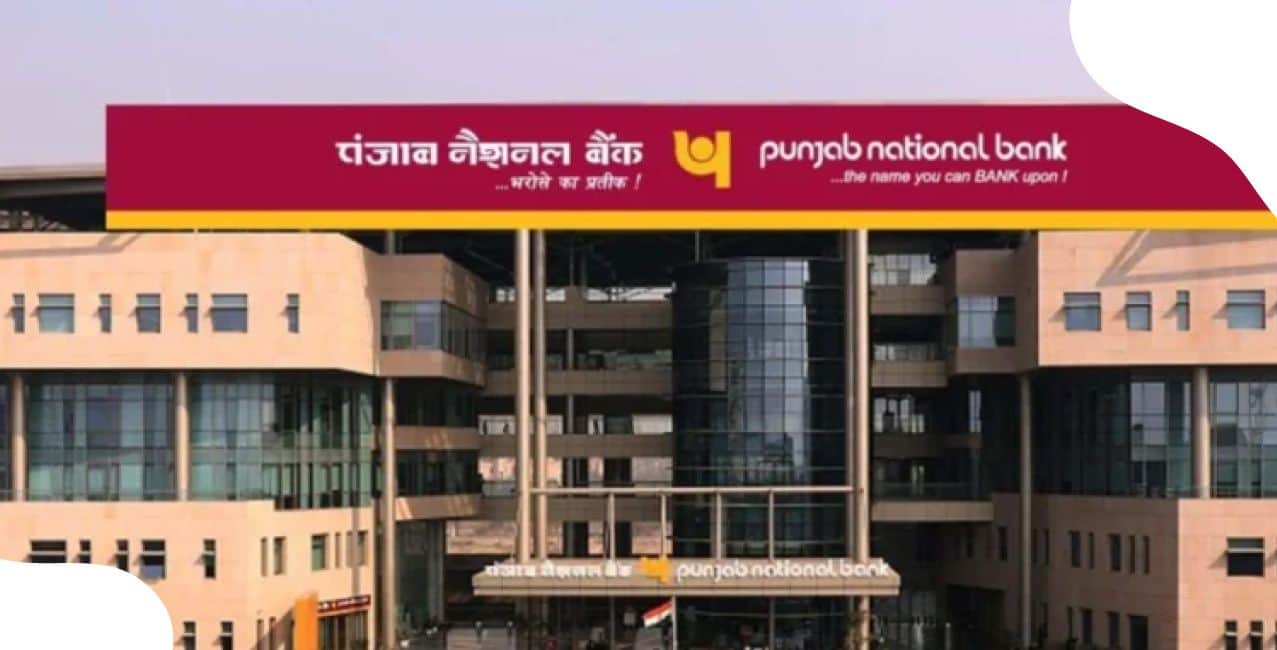
For Punjab National Bank (PNB), this change could mean an estimated ₹9,000–10,000 crore hit to its balance sheet. The figure, mentioned in its October 2025 investor report, equals roughly US $1 billion.
The bank’s Capital to Risk Assets Ratio (CRAR) may drop by 0.85 percentage points from 17.19 %, based on its September 2025 financial filing.
The new framework divides loans into three stages of risk. Each stage has a separate rule for how much provision the bank must set aside. The system begins on 1 April 2027 and will be fully implemented by March 2031.
The goal is simple: banks should spot trouble early and keep enough funds ready before loans turn bad.
This model, which follows global standards like IFRS 9, depends more on data than on assumptions. It focuses on early identification of weak loans.
For PNB, most retail, agriculture, and MSME loans fall into Stage 2, which means higher provisions will be needed. This explains why the total estimated impact is so large.
The credit loss rules will affect PNB’s short-term profit, but the long-term view looks manageable. The bank plans to absorb the ₹9,000–10,000 crore cost gradually over five years using internal profits.
Officials say no fresh capital raise is planned for now. The strong quarterly profits are expected to help offset the cost of transition.
In the October 2025 Monetary Policy Report, RBI Governor Sanjay Malhotra noted that “growth outlook is softer and below expectations.” The statement matches the caution banks now show while adopting new rules.
It also connects with broader Indian banking sector credit rules designed to clean up balance sheets.
This time, banks are in a better position. Their earnings are stronger, non-performing assets are lower, and their data systems are more robust. The sector is better equipped to handle reform without heavy government support.
*T&C Apply
The move to the Expected Credit Loss model will be expensive at first, but it promises cleaner and more transparent lending in the future. For Punjab National Bank, the ₹9,000 crore hit is a short-term setback that could lead to stronger risk management later.
The RBI’s new credit loss rules are designed to make Indian banks more disciplined and forward-looking. The Punjab National Bank financial impact shows that reform often comes with a cost, but the result is a safer and stronger banking system.









.png&w=3840&q=75)



