By continuing, you agree to LoansJagat's Credit Report Terms of Use, Terms and Conditions, Privacy Policy, and authorize contact via Call, SMS, Email, or WhatsApp
Disclaimer: The information published on LoansJagat is intended for general informational and educational purposes only and should not be considered financial, legal, or investment advice. Interest rates, loan terms, statistics, and other data may change over time and may vary by lender or source. Please verify the latest information and consult a qualified financial advisor or the respective Bank/NBFC before making any financial decisions.
Subscribe Now
About the author

LoansJagat Team
‘Simplify Finance for Everyone.’ This is the common goal of our team, as we try to explain any topic with relatable examples. From personal to business finance, managing EMIs to becoming debt-free, we do extensive research on each and every parameter, so you don’t have to. Scroll up and have a look at what 15+ years of experience in the BFSI sector looks like.
Related Blog Post
Simplify All Your Loans Into One Affordable EMI

Customers Served

Debt Consolidated

1200+ Reviews

Locations in India
Club all Loans & Credit Card Bills into Single EMI

Quick Apply Loan
Consolidate your debts into one easy EMI.

Takes less than 2 minutes. No paperwork.

10 Lakhs+
Trusted Customers

2000 Cr+
Loans Disbursed

4.7/5
Google Reviews

50+
Banks & NBFCs Offers
Other services mentioned in this article
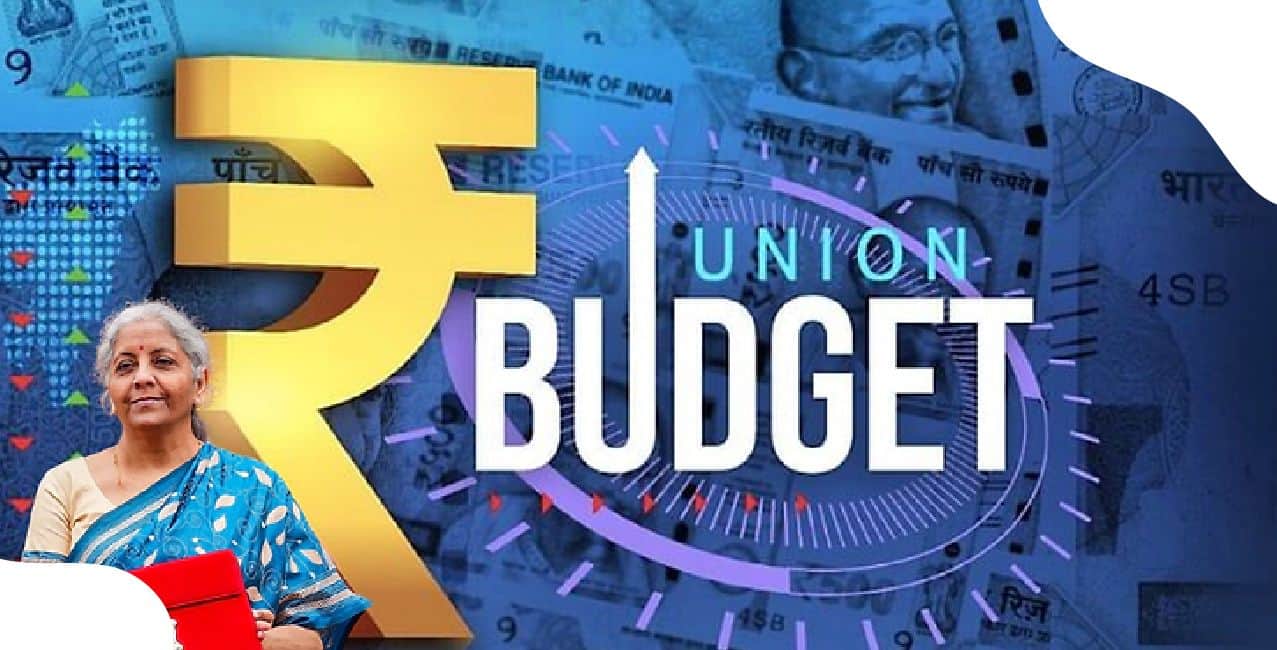
The Union Budget 2026–27, presented by Finance Minister Nirmala Sitharaman, drew attention across India, especially from salaried families and small savers who were looking for direct tax relief or tangible savings.
While there was no headline-grabbing tax cut, the fine print contains a number of measures that will affect household finances, spending patterns and compliance ease for ordinary taxpayers.
This year’s budget did not restructure the income-tax slabs, meaning that the rate structure remains largely the same as before. Salaried taxpayers continue to enjoy a tax-free threshold of up to ₹12 lakh a year, which effectively becomes ₹12.75 lakh after the standard deduction of ₹75,000 under the current tax regime. This continuity helps middle-income earners plan finances without worrying about sudden increases in tax liability.
Although many in the middle class hoped for direct tax relief, the government chose policy stability over changes in basic tax rates, signalling an emphasis on structural measures rather than short-term relief.
Read More - 2025-26 Tabled Ahead Of Union Budget
Easing Compliance and Reducing Extra Costs
Even without slab changes, the budget introduces adjustments that reduce friction in tax compliance and international obligations.
One important change is the sharp cut in Tax Collected at Source (TCS) on several payments related to foreign travel and remittances: TCS on overseas tour packages and on remittances for education or medical purposes under the Liberalised Remittance Scheme (LRS) has been reduced to 2% from the significantly higher rates that applied earlier.
This will bring some relief to families pursuing education abroad, medical treatments or leisure travel.
The staggered tax-return filing schedule, where individuals can file ITR-1 and ITR-2 until July 31 and other entities until August 31, aims to reduce pressure on taxpayers and make the process more manageable. The stipend of time, especially for non-audit businesses and trusts, could help ease errors and lower compliance burdens.
Beyond taxes, several direct and indirect cost-reducing measures affect everyday life. The Budget exempts duty on around 17 cancer drugs, which could reduce treatment costs for many households. Personal imports of medicines for several rare diseases have also been made duty-free, lowering out-of-pocket costs for patients and their families.
In addition to healthcare, the list of exempted or cheaper items includes components used in consumer electronics, leather goods, footwear and household appliances, areas where middle-class consumers often incur significant expenses.
These measures don’t directly reduce tax bills, but they can ease the everyday financial burden when prices of essential or high-cost goods fall.
Also Read - 4 Big Demands Of Gold Loan NBFCs
A Focus on Jobs and Long-Term Opportunities
While immediate relief for salaried taxpayers was limited, the Budget significantly increased capital expenditure, with outlays crossing ₹12 lakh crore. Public investment in infrastructure, logistics and technology sectors is expected to bolster
*T&C Apply
These longer-term initiatives, coupled with support for sectors such as renewable energy, creative industries and digital skills training, suggest that the government is prioritising growth that can eventually translate into higher incomes for the middle class.
For many ordinary taxpayers, the headline takeaway is that there was no major tax relief this budget. However, the combination of reduced compliance burdens, lower costs on specific goods and services, and a strong push for growth-oriented spending creates a balanced outcome.
People will not see a lower tax bill immediately, but incremental changes and price reliefs — especially in healthcare and overseas payments, may offer financial breathing room. At the same time, investments in infrastructure and jobs could support future earning potential.
The Union Budget 2026 might not feel transformative for every household, but for many in the middle class it offers a nuanced mix of indirect savings and stability that could improve financial well-being over the coming year.









.png&w=3840&q=75)



