By continuing, you agree to LoansJagat's Credit Report Terms of Use, Terms and Conditions, Privacy Policy, and authorize contact via Call, SMS, Email, or WhatsApp
Disclaimer: The information published on LoansJagat is intended for general informational and educational purposes only and should not be considered financial, legal, or investment advice. Interest rates, loan terms, statistics, and other data may change over time and may vary by lender or source. Please verify the latest information and consult a qualified financial advisor or the respective Bank/NBFC before making any financial decisions.
Apply for Loans Fast and Hassle-Free
Subscribe Now
About the author

‘Simplify Finance for Everyone.’ This is the common goal of our team, as we try to explain any topic with relatable examples. From personal to business finance, managing EMIs to becoming debt-free, we do extensive research on each and every parameter, so you don’t have to. Scroll up and have a look at what 15+ years of experience in the BFSI sector looks like.
Related Blog Post
Simplify All Your Loans Into One Affordable EMI

Customers Served

Debt Consolidated

1200+ Reviews

Locations in India
Club all Loans & Credit Card Bills into Single EMI

Quick Apply Loan
Consolidate your debts into one easy EMI.

Takes less than 2 minutes. No paperwork.

10 Lakhs+
Trusted Customers

2000 Cr+
Loans Disbursed

4.7/5
Google Reviews

50+
Banks & NBFCs Offers
Other services mentioned in this article
Picture this: Ananya, a freelance designer from Pune, just bought a health insurance policy with a base premium of ₹22,000. She thought she was sorted until the bill slapped her with an unexpected ₹3,960 in tax! Her total payable? A spicy ₹25,960.
That surprise addition is thanks to one major player in the game: GST on health insurance, which currently sits at a whopping 18 per cent.
Yes, you read that right. Whether it is an individual plan, a family floater, or a senior citizen cover, GST on health insurance adds a considerable chunk to your premium. And it is not just a boring old tax; it is a financial factor that can make a differebce when choosing your health coverage.
"Insurance premium ka total jab ho jaye extra bold, samajh lo GST ne kar diya fold!"
In this blog, we will decode every detail about GST on health insurance; from categories, codes, rates, to input tax credit and its impact on your wallet.
The impact of the Goods and Services Tax on health insurance varies across different policy types. Here's a breakdown:
As evident, the Goods and Services Tax on health insurance can significantly increase the total premium payable, especially for higher coverage plans.
The Harmonized System of Nomenclature (HSN) codes are essential for classifying services under the Goods and Services Tax regime. For health insurance, the relevant codes are:
Source: plutomoney.in
Accurate HSN coding ensures compliance and correct taxation under the Goods and Services Tax on health insurance.
"Sahi code, sahi tax – warna ho sakta hai lax!"
Different health insurance policies attract varying Goods and Services Tax rates. Here's a detailed look.
*T&C Apply
Understanding these rates is crucial when evaluating the impact of the Goods and Services Tax on health insurance premiums.
"Mehenga bima, kam coverage – samjho yeh naya leverage!"
The Input Tax Credit mechanism under the Goods and Services Tax allows businesses to claim credit for taxes paid on inputs. However, its applicability to health insurance is limited:
For more details, refer to the Central Board of Indirect Taxes and Customs official portal.
The Goods and Services Tax on health insurance is not just a financial formality—it directly affects how much individuals and families spend on safeguarding their health. With the current rate of 18%, premiums can rise highly, especially for comprehensive plans or senior citizen coverage.
However, while the system ensures uniformity and transparency in taxation, many believe that essential services like health insurance should attract lower rates or be entirely exempt. Unfortunately, input tax credit remains largely restricted, especially for individual buyers and most businesses, unless required by law.
"Bima lena hai zaroori, par GST ki ginti bhi hai poori!"
So, before signing that health insurance policy, do the math, check the policy category, and understand its HSN code. If you are a business, explore whether your insurance qualifies for input tax credit. If you are an individual, consider the final premium amount—including GST—before planning your yearly healthcare budget.
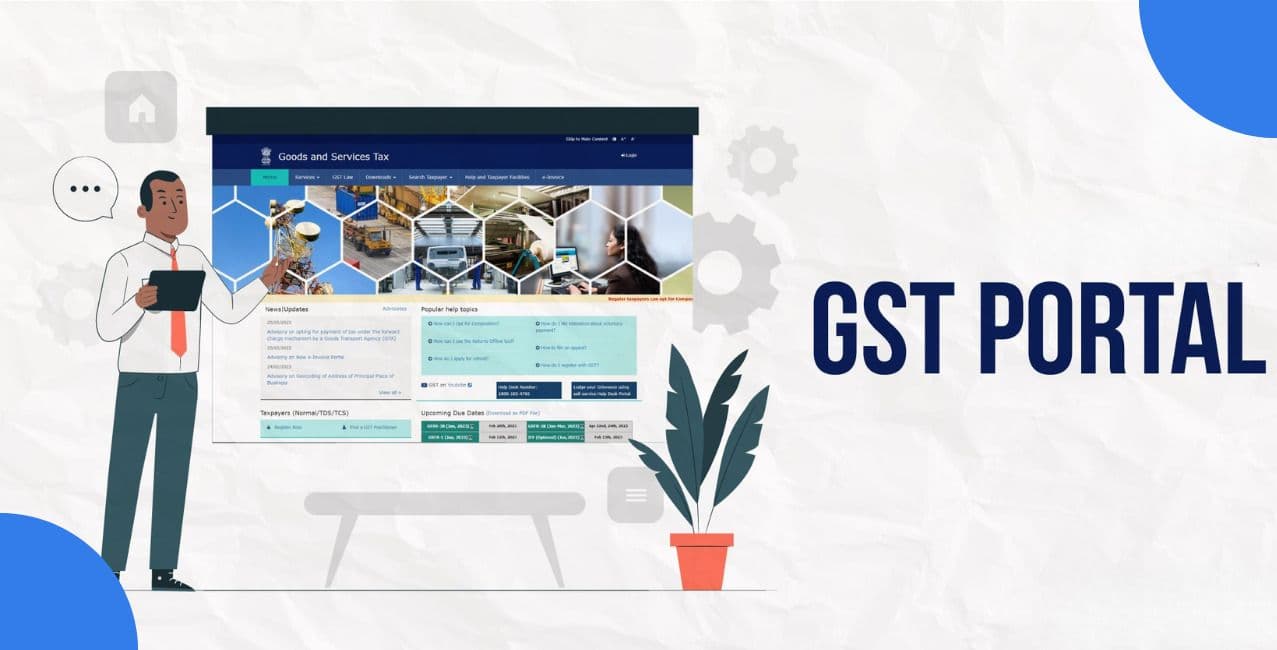
Stay smart, stay covered, and always keep the tax angle in sight. For official rules and updates, visit the GST Portal and CBIC’s Website. Your health matters—but so does your wallet.
Q1: What is the current GST rate on health insurance premiums?
A1: The Goods and Services Tax on health insurance premiums is currently 18%.
Q2: Are there any exemptions to GST on health insurance?
A2: Yes, government-sponsored schemes like the Universal Health Insurance Scheme are exempt from the Goods and Services Tax.
Q3: Can businesses claim ITC on health insurance premiums?
A3: Only if providing health insurance is mandated under labour laws; otherwise, ITC cannot be claimed.
Q4: Has there been any discussion on reducing GST rates on health insurance?
A4: The GST Council has considered reducing the rate from 18% to 5%, but no final decision has been made yet.
Q5: How does GST affect the total premium payable?
A5: The Goods and Services Tax increases the total premium by 18% over the base amount.
"GST ka jhatka, bima premium mein badhka!"
Other Related Pages | |||