By continuing, you agree to LoansJagat's Credit Report Terms of Use, Terms and Conditions, Privacy Policy, and authorize contact via Call, SMS, Email, or WhatsApp
Disclaimer: The information published on LoansJagat is intended for general informational and educational purposes only and should not be considered financial, legal, or investment advice. Interest rates, loan terms, statistics, and other data may change over time and may vary by lender or source. Please verify the latest information and consult a qualified financial advisor or the respective Bank/NBFC before making any financial decisions.
Subscribe Now
About the author

LoansJagat Team
‘Simplify Finance for Everyone.’ This is the common goal of our team, as we try to explain any topic with relatable examples. From personal to business finance, managing EMIs to becoming debt-free, we do extensive research on each and every parameter, so you don’t have to. Scroll up and have a look at what 15+ years of experience in the BFSI sector looks like.
Related Blog Post
Simplify All Your Loans Into One Affordable EMI

Customers Served

Debt Consolidated

1200+ Reviews

Locations in India
Club all Loans & Credit Card Bills into Single EMI

Quick Apply Loan
Consolidate your debts into one easy EMI.

Takes less than 2 minutes. No paperwork.

10 Lakhs+
Trusted Customers

2000 Cr+
Loans Disbursed

4.7/5
Google Reviews

50+
Banks & NBFCs Offers
Other services mentioned in this article
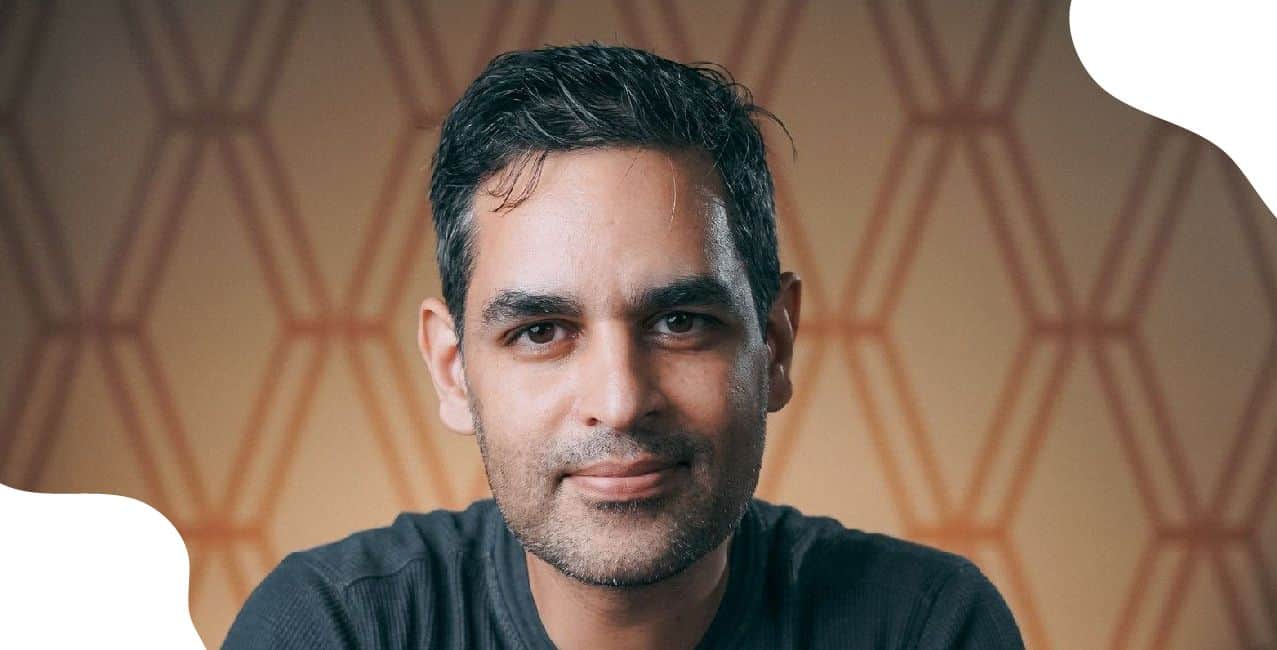
A viral post by entrepreneur Ankur Warikoo has reopened questions around debt, privilege and mental health. The episode highlights the harsh realities faced by young Indians burdened with high education loans.
Entrepreneur Ankur Warikoo faced backlash in December 2025 after advising a 25-year-old with a ₹40 lakh education loan not to take financial help from his father.
The controversy began after Warikoo shared an email he received from a young professional struggling under severe financial pressure. The post, shared on X, quickly went viral and triggered a wider debate on whether such education loan advice ignores structural realities faced by young borrowers.
According to Warikoo, the email came from a 25-year-old who completed a master’s degree in the US in 2022 but returned to India in mid-2025 after failing to secure a sponsored job. Back in India, the individual joined a media firm in Pune but earned only ₹56,000 a month.
The borrower detailed expenses including a ₹40 lakh education loan, a ₹45,000 EMI, ₹12,000 rent and additional living costs. He admitted that his father contributes ₹20,000 monthly to help him survive. Warikoo’s response, advising him to stop taking money from his father and “figure it out”, drew criticism for being insensitive and dismissive of mental health concerns. This education loan advice divided public opinion sharply.
Warikoo argued that hardship builds resilience and that external support delays personal growth. However, critics countered that such education loan advice overlooks wage realities, high overseas education costs and limited job mobility.
Social media users pointed out that even disciplined budgeting cannot bridge such a gap. Mental health advocates also objected to Warikoo’s comment that emotional distress was a “privilege”, calling it tone-deaf.
News coverage:
The backlash comes amid growing concern over education loan burdens. According to the RBI’s Financial Stability Report, June 2024, published on 28 June 2024 and available at rbi.org.in → Publications → Financial Stability Report, retail loan stress has increased among younger borrowers, especially in unsecured and education-linked credit.
RBI data also shows that overseas education loans have grown faster than domestic ones, driven by higher tuition costs and rupee depreciation. Repayment risks rise when expected foreign employment does not materialise.
*T&C Apply
Financial planners say rigid motivational messaging often fails to acknowledge these systemic risks.
For borrowers seeking structured guidance, this LoansJagat resource explains education loan management and borrower rights:
Mental health professionals argue that shaming borrowers worsens anxiety and discourages help-seeking. Finance experts stress the need for practical restructuring options, income-based repayment and transparent counselling rather than blanket advice.
Warikoo has not retracted his statement, but the episode has triggered broader discussion on responsible influencer communication.
The controversy shows how education loan advice can quickly turn divisive when it ignores economic realities. For young borrowers, empathy and practical solutions matter as much as motivation.









.png&w=3840&q=75)



