By continuing, you agree to LoansJagat's Credit Report Terms of Use, Terms and Conditions, Privacy Policy, and authorize contact via Call, SMS, Email, or WhatsApp
Disclaimer: The information published on LoansJagat is intended for general informational and educational purposes only and should not be considered financial, legal, or investment advice. Interest rates, loan terms, statistics, and other data may change over time and may vary by lender or source. Please verify the latest information and consult a qualified financial advisor or the respective Bank/NBFC before making any financial decisions.
Apply for Loans Fast and Hassle-Free
Subscribe Now
About the author

‘Simplify Finance for Everyone.’ This is the common goal of our team, as we try to explain any topic with relatable examples. From personal to business finance, managing EMIs to becoming debt-free, we do extensive research on each and every parameter, so you don’t have to. Scroll up and have a look at what 15+ years of experience in the BFSI sector looks like.
Related Blog Post
Simplify All Your Loans Into One Affordable EMI

Customers Served

Debt Consolidated

1200+ Reviews

Locations in India
Club all Loans & Credit Card Bills into Single EMI

Quick Apply Loan
Consolidate your debts into one easy EMI.

Takes less than 2 minutes. No paperwork.

10 Lakhs+
Trusted Customers

2000 Cr+
Loans Disbursed

4.7/5
Google Reviews

50+
Banks & NBFCs Offers
Other services mentioned in this article
Dev has a small clothing store. He must file GSTR-9 each year if his total sales exceed ₹2 crores. This monthly or quarterly return compiles his GST filings for the entire year.
Example: Dev’s turnover for 2023-24 was ₹2.5 crores. He must file GSTR-9 by 31st December 2024, reporting his yearly GST details. If he misses the deadline, he may face penalties.
Who Must File GSTR-9?
Dev is not sure of his GST liabilities, he wonders whether he must submit GSTR-9. Let’s start with a simple explanation:
Dev checks how much he’s earned and discovers it’s over ₹2 crores, so he files his GSTR-9 to ensure he doesn’t pay fines.
Format of GSTR-9 Explained Simply
Filing his annual GST return (GSTR-9) has become complicated for Dev. Here’s how everything is broken down in simple words:
The form mostly auto-fills from Dev's monthly returns. He just needs to verify the numbers and submit them before December 31st.
Dev owns a small grocery store and wonders if he must file GSTR-9. Here's how it works:
Example:
Dev checks his annual sales to know if filing is required.
Dev must remember:
Example:
Dev's FY 2023-24 return must be filed by December 31, 2024. If late, he pays ₹200 daily until filed.
Step-by-Step GSTR-9 Filing Process
Dev needs to file his annual GST return. Here's how he does it simply:
Part 4 - Tax Payments
*T&C Apply
Step 2: Select Return
Dev wants to file his GSTR-9 correctly. Here are the mistakes he should avoid:
Example:
Last year, Dev forgot to match his GSTR-1 sales with GSTR-9. He got a tax notice. This year, he double-checks everything.
Dev’s toy shop should file GSTR-9 if its annual sales exceed ₹2 crores. If Dev learns who needs to report, what format to use, how much to report and when to report, they can prevent expensive penalties. You just need to log in to the GST website, check the auto-filled information, enter the rest and submit by December 31st.
If a person fails to match their sales, makes ITC claim errors or is late in filing, he or she may face notices and fines, so Dev verifies his figures. If his return is late, he owes ₹200 for every day it is late. Making errors in the report may mean he must pay extra taxes or penalties.
He missed some areas last time and ended up having to spend more, so this year, he stays organised and files by the deadline. If Dev complies, his business runs without problems with the tax authorities. If he maintains accurate records and sticks to deadlines, his GST filings are never a problem.
FAQs
Who needs to file GSTR-9?
Any regular business with yearly sales over ₹2 crores must file. Small businesses below this limit can choose to file.
What if I'm in the composition scheme?
You don't file GSTR-9. Instead, you file GSTR-9A, even if your sales are small.
When is the last date to file?
Always December 31st of the next year. For 2023-24 sales, file by December 31, 2024.
Can I correct mistakes after filing?
No, GSTR-9 can't be revised. Fix errors in next year's return or file an amendment.
What happens if I file late?
You pay ₹200 per day as a late fee (₹100 CGST + ₹100 SGST), up to ₹10,000 maximum.
Is an accountant needed to file?
Not required. The GST portal auto-fills most data from your monthly returns - just verify it.
How do I check if my supplier filed their returns?
Check GSTR-2A on the GST portal - it shows all purchases where suppliers paid their GST.
What if I forgot some sales in the monthly returns?
Add them in the GSTR-9's additional details section and pay the due tax with interest.
Do I need HSN codes?
Only if your yearly sales are over ₹5 crores, small businesses skip this.
Where do I file GSTR-9?
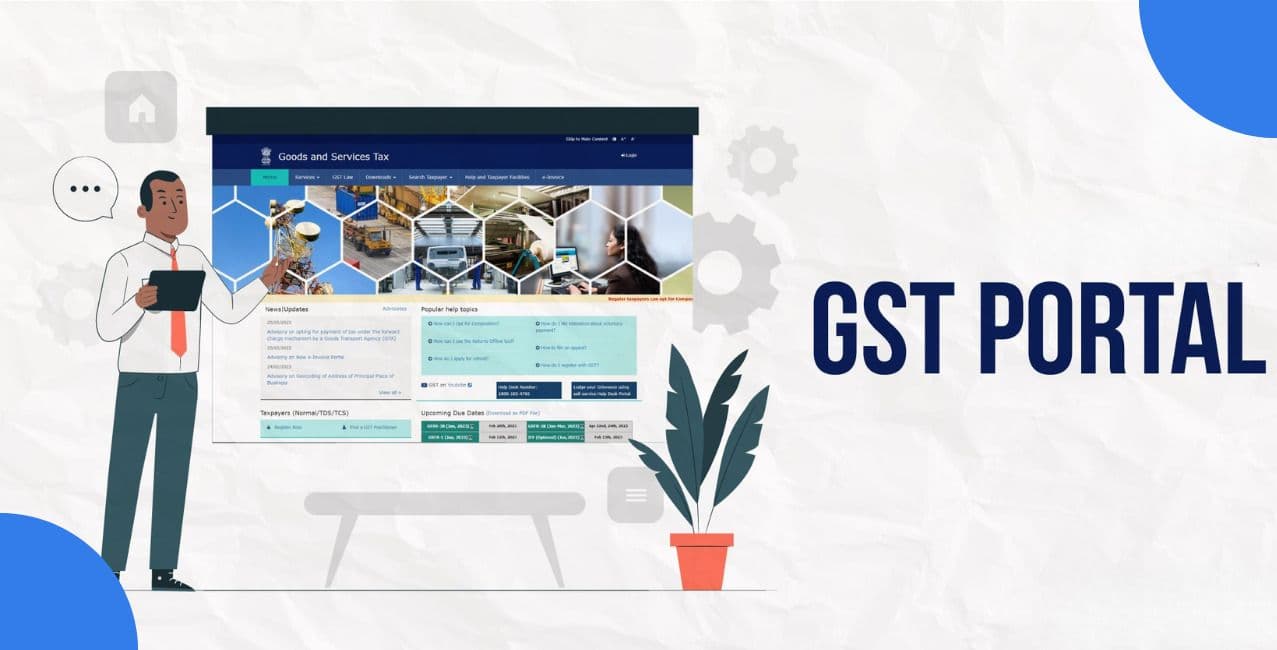
On the GST portal (www.gst.gov.in) under 'Services' > 'Returns' > 'Annual Return'.
Other Related Pages | |||