By continuing, you agree to LoansJagat's Credit Report Terms of Use, Terms and Conditions, Privacy Policy, and authorize contact via Call, SMS, Email, or WhatsApp
Disclaimer: The information published on LoansJagat is intended for general informational and educational purposes only and should not be considered financial, legal, or investment advice. Interest rates, loan terms, statistics, and other data may change over time and may vary by lender or source. Please verify the latest information and consult a qualified financial advisor or the respective Bank/NBFC before making any financial decisions.
Apply for Loans Fast and Hassle-Free
Subscribe Now
About the author

‘Simplify Finance for Everyone.’ This is the common goal of our team, as we try to explain any topic with relatable examples. From personal to business finance, managing EMIs to becoming debt-free, we do extensive research on each and every parameter, so you don’t have to. Scroll up and have a look at what 15+ years of experience in the BFSI sector looks like.
Related Blog Post
Simplify All Your Loans Into One Affordable EMI

Customers Served

Debt Consolidated

1200+ Reviews

Locations in India
Club all Loans & Credit Card Bills into Single EMI

Quick Apply Loan
Consolidate your debts into one easy EMI.

Takes less than 2 minutes. No paperwork.

10 Lakhs+
Trusted Customers

2000 Cr+
Loans Disbursed

4.7/5
Google Reviews

50+
Banks & NBFCs Offers
Other services mentioned in this article
Aman has a small business selling clothes. He needs to file a GST return, yet he gets his GSTR-3B and GSTR-1 mix-ups. And here are the ways they assist him:
Key Differences:
Because he files his taxes correctly, Aman can avoid getting into trouble with the law.
GSTR-3B is the monthly summary return that must be filed every month following the GST rules. It makes it simple for them to list their wide sales, purchase orders and tax settlements.
By properly submitting GSTR-3B, Aman meets compliance standards and prevents problems with taxes.
GSTR-1 is a detailed sales return filed by businesses under GST. It lists all outward supplies (sales) made during a month or quarter.
By filing GSTR-1 correctly, Aman ensures smooth business for himself and his customers.
Aman runs a small clothing business. Here's how he files his GST returns each month:
*T&C Apply
Because of this, Aman ensures that his company operates without problems or legal hassles.
Conclusion
To Aman, filling out GSTR-1 and GSTR-3B properly makes his accounts for the business just as clean and organised. By recording each sale and preparing a monthly summary (GSTR-1 and GSTR-3B), he makes sure he follows all required GST laws. Timely submission of GSTR-1 by Aman allows his business customers to get their due input tax credit and appreciate his services.
By filing GSTR-3B before the 20th, he can avoid paying penalties because he pays the correct tax. Aman forgets that he may end up with penalties or get into difficulty when tax inspectors review his books, much as his business would struggle if he did not keep proper records. Because he knows these basic returns, Aman does not have to worry about taxes when trying to expand his clothing business. Filing your GST consistently and with accuracy is not.
FAQs
1. What happens if I file GSTR-1 late?
Late filing blocks your GSTR-3B filing and attracts ₹50/day late fees (₹100/day total for CGST+SGST). Your buyers also can't see your invoices to claim their input tax credit.
2. Can I correct mistakes in GSTR-1 after filing?
Small errors can be fixed in next month's return, but major changes may need a GST amendment form. Always double-check before submitting.
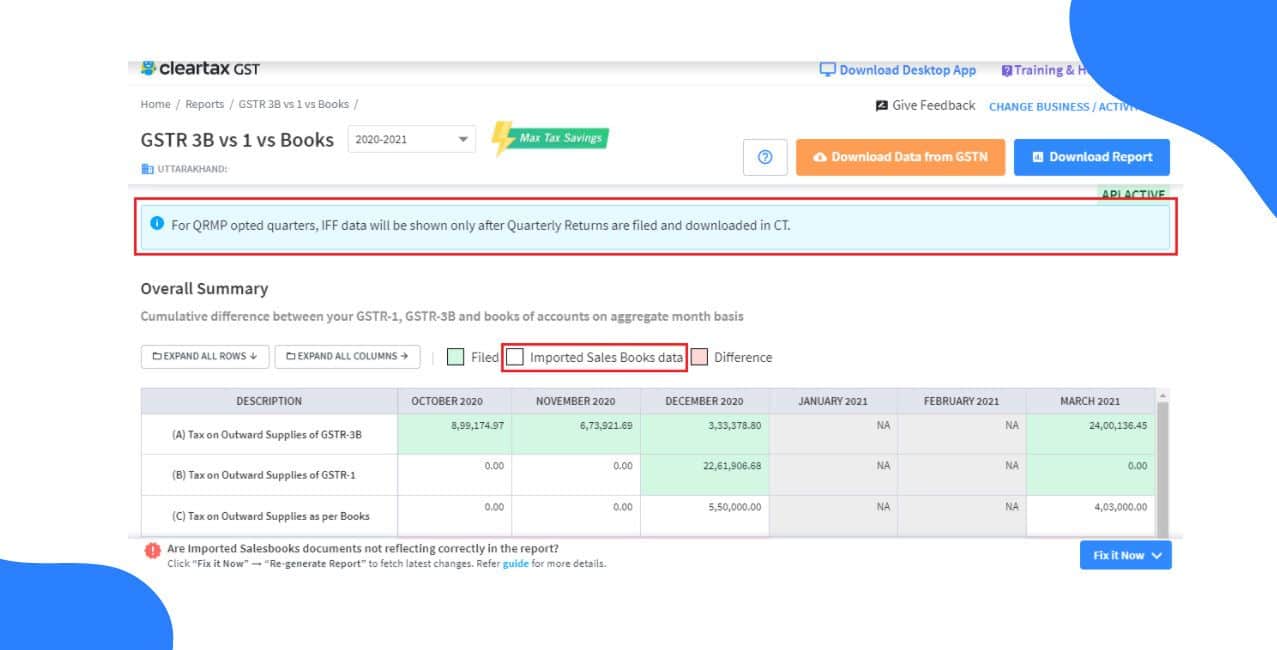
3. Why does GSTR-3B show less tax than GSTR-1?
This mismatch triggers tax notices. It usually happens when you forget to include some sales in GSTR-3 B. Both returns should match your actual sales.
4. Do I need to file both returns if I had no sales?
Yes, you must file "Nil returns" for both GSTR-1 and GSTR-3B to stay compliant, even in months with zero business activity.
5. How does GSTR-1 help my customers?
When you file GSTR-1, your business customers automatically see these invoices in their GSTR-2A/2B, helping them claim input tax credit.
6. What's the penalty for a wrong ITC claim in GSTR-3B?
Wrong claims may lead to tax notices, interest (18% per year), and penalties equal to 100% of the wrongly claimed amount.
7. Can I file GSTR-3B without filing GSTR-1 first?
No, the GST portal blocks GSTR-3B filing if GSTR-1 is pending. Always file GSTR-1 before the 11th/13th to avoid this.
8. Why do I pay tax in GSTR-3B but show details in GSTR-1?
GSTR-1 shares invoice details with buyers and the tax department, while GSTR-3B is where you calculate and pay your tax dues.
9. What if I can't pay the full tax while filing GSTR-3B?
Partial payments still require filing on time. Balance tax attracts 18% interest, but late filing adds extra penalties (₹50/day).
10. How long should I keep GST invoices?
Maintain all invoices and records for at least 6 years. The tax department can ask for them during audits or notices.
Other Related Pages | |||