By continuing, you agree to LoansJagat's Credit Report Terms of Use, Terms and Conditions, Privacy Policy, and authorize contact via Call, SMS, Email, or WhatsApp
Disclaimer: The information published on LoansJagat is intended for general informational and educational purposes only and should not be considered financial, legal, or investment advice. Interest rates, loan terms, statistics, and other data may change over time and may vary by lender or source. Please verify the latest information and consult a qualified financial advisor or the respective Bank/NBFC before making any financial decisions.
Subscribe Now
About the author

LoansJagat Team
‘Simplify Finance for Everyone.’ This is the common goal of our team, as we try to explain any topic with relatable examples. From personal to business finance, managing EMIs to becoming debt-free, we do extensive research on each and every parameter, so you don’t have to. Scroll up and have a look at what 15+ years of experience in the BFSI sector looks like.
Related Blog Post
Simplify All Your Loans Into One Affordable EMI

Customers Served

Debt Consolidated

1200+ Reviews

Locations in India
Club all Loans & Credit Card Bills into Single EMI

Quick Apply Loan
Consolidate your debts into one easy EMI.

Takes less than 2 minutes. No paperwork.

10 Lakhs+
Trusted Customers

2000 Cr+
Loans Disbursed

4.7/5
Google Reviews

50+
Banks & NBFCs Offers
Other services mentioned in this article
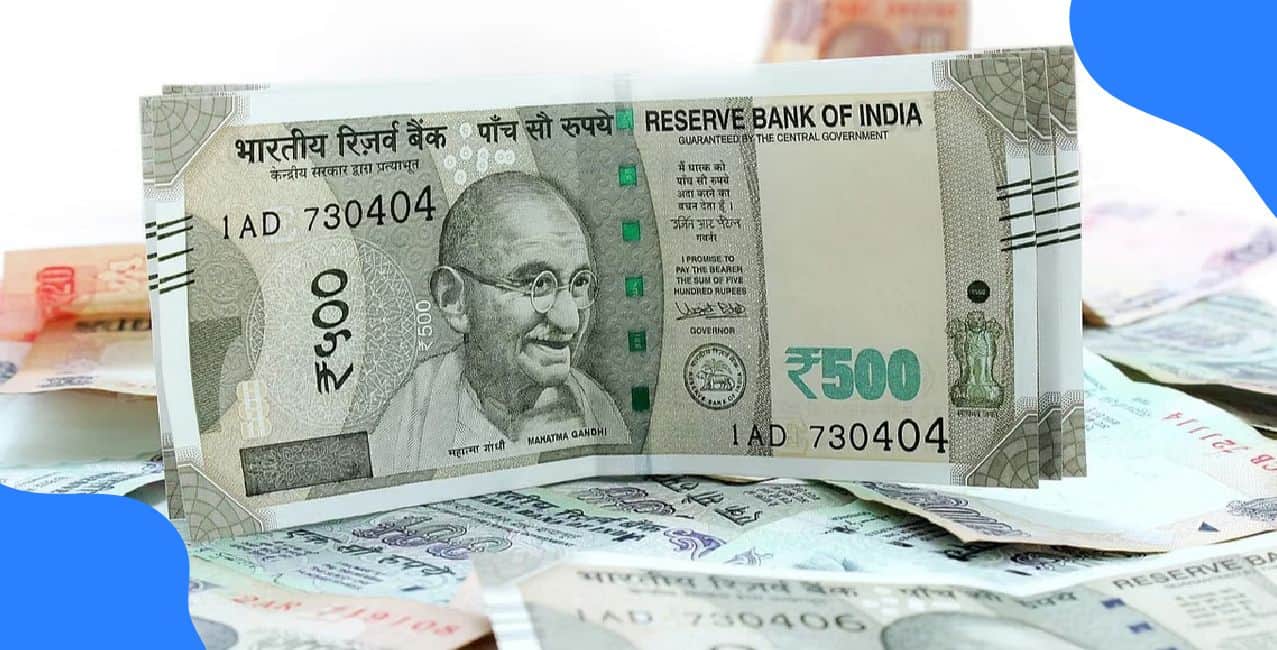
In early December 2025, the Indian rupee weakened sharply, losing ground against the U.S. dollar for five consecutive trading sessions. At one point, it hovered near ₹91.1 per USD, a level that triggered anxiety in currency markets and raised concerns about widening depreciation pressures on the Indian economy.
In response, the Reserve Bank of India (RBI) intervened decisively, selling U.S. dollars in the open market, mainly through state-run banks and foreign exchange operations, prompting the rupee to rebound and record its strongest daily gain in two months, closing at around ₹90.38/$.
To understand this episode, it’s important to recognise the forces that drove the rupee’s depreciation:
Overall, market participants viewed these dynamics as creating a one-way selling pressure on the INR, with speculative positioning further reinforcing the trend.
The RBI’s reaction was forceful and coordinated across multiple fronts, a clear effort to halt the rupee’s rapid descent:
This intervention allowed the rupee to snap its losing streak and rally, even briefly outperforming a range of regional currencies that were less volatile on the day of RBI action.
Before looking at deeper implications, here’s a simple snapshot showing how the rupee moved in the days leading up to and following the RBI’s intervention:
The table shows how rapid depreciation was arrested through direct intervention, with the rupee recovering several paisa against the dollar in a single session, a notable reversal after persistent losses. This stalling of the slide helped market sentiment and prevented a self-reinforcing depreciation cycle that could have heightened macro instability.
Despite the successful short-term stabilisation, the rupee faces ongoing challenges:
Analysts for brokerage firms like Jefferies argue that while the rupee has weakened, India’s macroeconomic fundamentals remain robust, suggesting that the recent depreciation may be more about capital-flow positioning than structural weakness.
*T&C Apply
The rupee’s slide, and RBI’s measured response — has implications beyond forex traders:
A weaker rupee makes imports more expensive, especially for crude oil, electronics, and industrial inputs. This can feed into inflationary pressure, which ultimately affects consumers and producers alike.
While a softer INR can boost export competitiveness by making Indian goods cheaper abroad, the overall benefit may be tempered if export-related costs (like tariffs or supply chain constraints) offset currency advantages.
The RBI’s willingness to intervene suggests a preference for managed flexibility, allowing market forces to operate, but stepping in decisively when one-way moves threaten macro stability. This delicate balance aims to prevent destabilising forex swings without committing to rigid fixed-exchange-rate targets.
The recent episode of the rupee sliding toward ₹91.1 per dollar, followed by a forceful RBI intervention, underscores the challenges of managing currency risks in a volatile global environment. While the RBI’s actions stabilized the rupee in the short term, underlying pressures, including global dollar strength, trade uncertainties, and capital outflows, remain salient.
Going forward, the central bank’s ability to reaffirm market confidence without distorting natural price discovery will be essential. Analysts caution that while the rupee’s depreciation may appear sharp, fundamentals like current account stability, foreign exchange reserves, and macro buffers remain key anchoring points for long-term resilience.
In essence, the RBI’s rescue of the Indian rupee prevented a deeper slide and bought time for markets to recalibrate, yet much will depend on broader global economic developments and domestic policy responses as the currency navigates ongoing external headwinds.
Other Related Pages | |||









.png&w=3840&q=75)



