By continuing, you agree to LoansJagat's Credit Report Terms of Use, Terms and Conditions, Privacy Policy, and authorize contact via Call, SMS, Email, or WhatsApp
The information published on LoansJagat is intended for general informational and educational purposes only and should not be considered financial, legal, or investment advice. Interest rates, loan terms, statistics, and other data may change over time and may vary by lender or source. Please verify the latest information and consult a qualified financial advisor or the respective Bank/NBFC before making any financial decisions.
Subscribe Now
About the author

Diwaker Sharma
Diwaker Sharma is a finance content specialist with expertise in banking, personal finance, credit cards, loans, fintech, and financial news. An MBA in Finance with prior experience in the banking sector, he combines industry knowledge with SEO and content strategy to produce insightful, research-backed articles. Passionate about making finance accessible, he transforms complex financial concepts into clear, engaging content that empowers readers to make smarter financial decisions with confidence.
Related Blog Post
Simplify All Your Loans Into One Affordable EMI

Customers Served

Debt Consolidated

1200+ Reviews

Locations in India
Club all Loans & Credit Card Bills into Single EMI

Quick Apply Loan
Consolidate your debts into one easy EMI.

Takes less than 2 minutes. No paperwork.

10 Lakhs+
Trusted Customers

2000 Cr+
Loans Disbursed

4.7/5
Google Reviews

50+
Banks & NBFCs Offers
Other services mentioned in this article
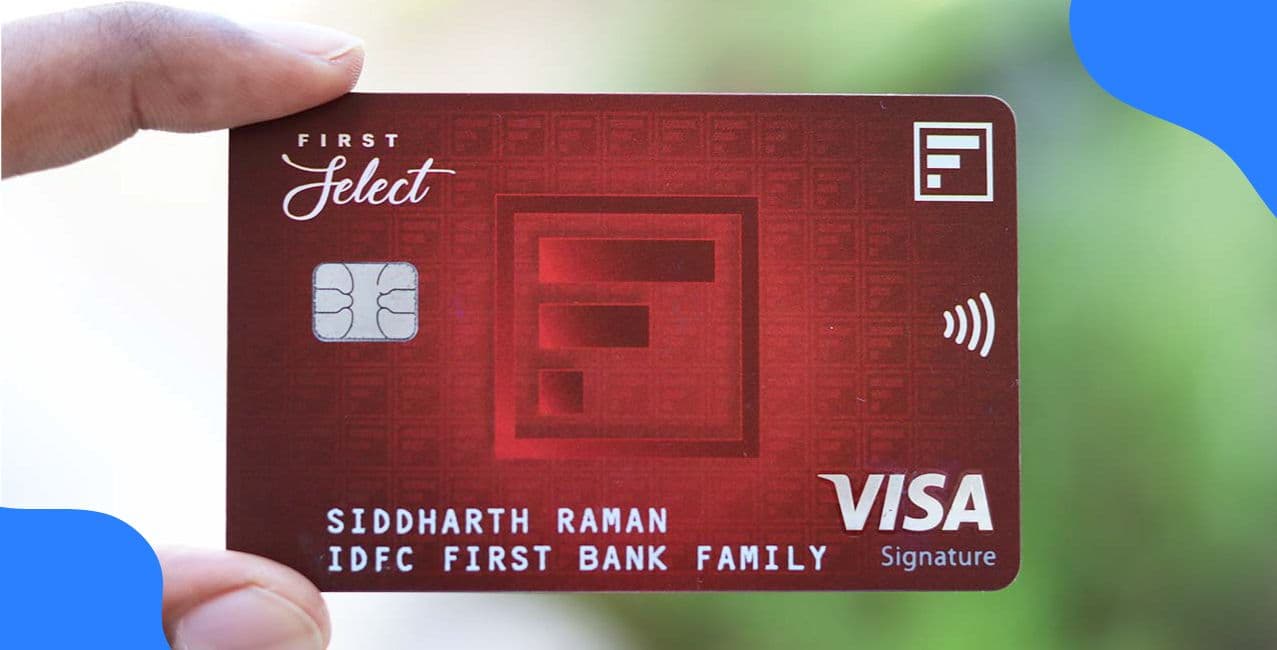
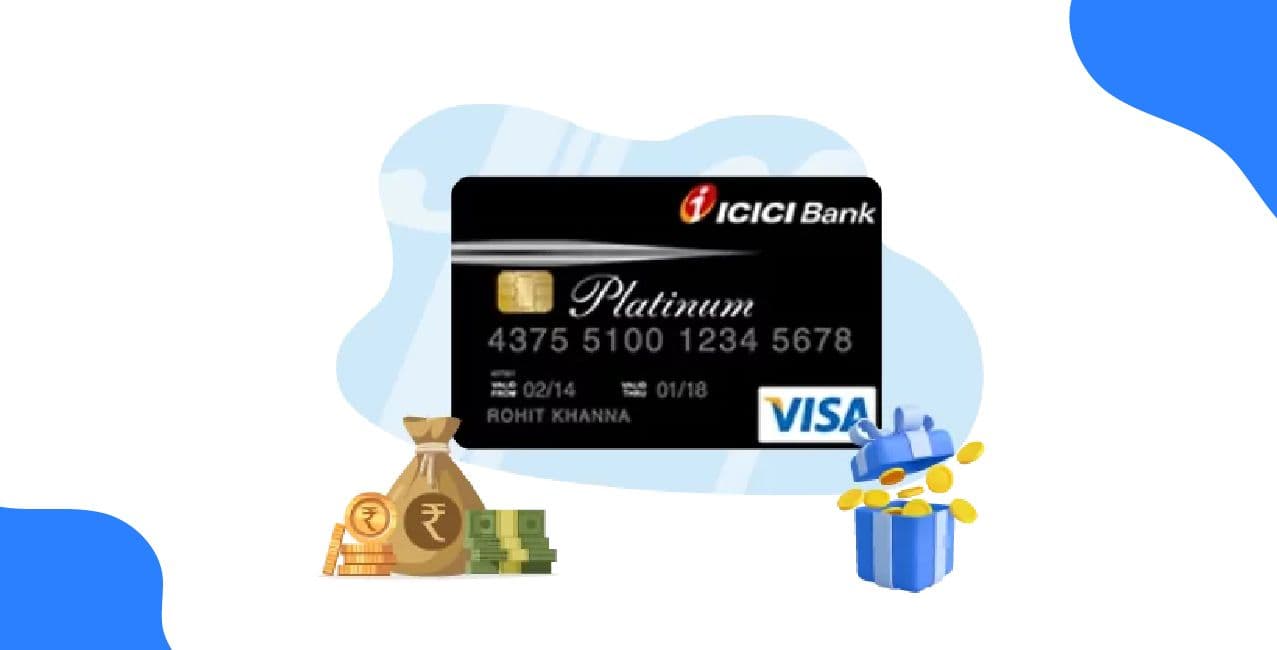
A credit card balance transfer moves unpaid dues from one bank's card to another bank's card, usually at a lower rate. ICICI Bank lets you transfer up to ₹3 lakh and repay it in 3 or 6 monthly EMIs. SBI Card offers 0% for 60 days or 1.7% a month for 180 days.
Key Takeaways
If you've been paying only the minimum due on a card for a few months, you've probably seen how quickly interest piles up. A balance transfer is one way out. Another bank clears your old card's dues, and you repay that bank on better terms. This guide looks at the two balance transfer offers that SBI Card and ICICI Bank publish on their own websites. It explains how each one works, what it costs, and how to apply.
A credit card balance transfer lets you shift the outstanding amount on one bank's card to a card from another bank. The aim is to pay a lower rate on the same debt.
ICICI Bank describes it as a way to move dues from other bank credit cards to your ICICI Bank card and cut your interest burden. The debt does not disappear. It is transferred to the new lender, potentially at a lower rate.
The new bank transfers the approved amount towards the outstanding balance on the other credit card, using the applicable transfer method. You then owe that amount to the new bank, at the rate and tenure of your chosen plan.
At SBI Card, the process runs roughly like this:
Keep paying at least the minimum due on your old card until the transfer reaches it. Otherwise, a late fee could hit that card while the money is still on its way.
Balance transfer could reduce your interest expense and put your debt in a structured payment plan. The amount of savings would depend on the interest rate, charges and tenure provided by the bank.
But the fees could reduce your savings. SBI Card adds a processing fee in addition to the interest.
SBI Card publishes rates for its current Balance Transfer plans, while the applicable ICICI Bank rate is communicated with the offer. Your decision should be based on the applicable interest rate, fees, transfer amount and repayment tenure.
Since ICICI Bank doesn't publish its rate, check your actual offer before you compare.
*T&C Apply
Here's a rough comparison, assuming the full ₹1 lakh stays unpaid for all six months:
These are simple estimates for illustration only. Your actual cost depends on how much you repay each month, the processing fee and GST.
With ICICI Bank, the same ₹1 lakh could be repaid in 3 or 6 EMIs. Since the rate depends on your profile, get the quote first and then compare it with this example.
A balance transfer can cut the cost of card debt, but only if the new rate and fees come in below what you pay now. SBI Card gives you fixed published terms, which makes the maths easy. ICICI Bank offers repayment through 3- or 6-month EMIs, with the applicable interest rate communicated with the offer. Get both quotes, add up all costs, and choose the plan you can fully repay within its tenure.
A credit card balance transfer moves the outstanding amount from one bank's credit card to another bank's card. Borrowers usually do this to get a lower interest rate.
The limit depends on the bank. ICICI Bank allows up to ₹3 lakh, subject to eligibility. SBI Card allows ₹5,000 to 75% of your available credit limit.
SBI Card's Balance Transfer offer lists 0% for 60 days and 1.7% p.m. for 180 days. ICICI Bank does not publish a fixed rate and decides it based on eligibility.
ICICI Bank says its balance transfer facility needs no documentation. Other banks may have their own requirements, so check before applying.
SBI Card sends the amount for BT on EMI through NEFT within 3 to 4 working days, excluding bank holidays. Timelines at other banks may differ.
SBI Card allows BT on EMI for credit cards issued by different banks in India. The total transfer still has to fit within 75% of your available limit.
On SBI Card, new retail purchases lose the interest-free period while a balance transfer amount is outstanding. Interest on those purchases starts from the purchase date.
You can apply for an ICICI Bank balance transfer by sending an SMS with "BT" to 5676766. You can also call ICICI Bank customer care.
ICICI Bank requires a minimum outstanding of ₹15,000 on your other bank's credit card. You also need a good track record with ICICI Bank.
A short interest-free plan suits you if you can clear the full amount quickly. A longer plan may suit you better if you need smaller payments, though it may cost more in interest.