By continuing, you agree to LoansJagat's Credit Report Terms of Use, Terms and Conditions, Privacy Policy, and authorize contact via Call, SMS, Email, or WhatsApp
Disclaimer: The information published on LoansJagat is intended for general informational and educational purposes only and should not be considered financial, legal, or investment advice. Interest rates, loan terms, statistics, and other data may change over time and may vary by lender or source. Please verify the latest information and consult a qualified financial advisor or the respective Bank/NBFC before making any financial decisions.
Subscribe Now
About the author

Ananya Shrivastava
Ananya Shrivastava is a Content Writer at LoansJagat, specialising in finance-focused news, blogs, and long-form articles on Indian markets, RBI policy, personal finance, and lending. She has authored over 450 blogs and 250 news pieces, combining technical knowledge with rigorous research to simplify complex financial concepts into clear, engaging content. With a marketing-driven lens and sharp editorial judgment, she consistently achieves top Google rankings while ensuring every claim is backed by verified data.
Related Blog Post
Simplify All Your Loans Into One Affordable EMI

Customers Served

Debt Consolidated

1200+ Reviews

Locations in India
Club all Loans & Credit Card Bills into Single EMI

Quick Apply Loan
Consolidate your debts into one easy EMI.

Takes less than 2 minutes. No paperwork.

10 Lakhs+
Trusted Customers

2000 Cr+
Loans Disbursed

4.7/5
Google Reviews

50+
Banks & NBFCs Offers
Most of us would be confused if we wanted to know the basics of how to build credit because we may never have taken a loan nor ever had a credit card. But the process can be done even if you have one. This guide is for beginners who need help understanding where to start.
Credit can be defined as a representation of how good we are at handling our debts. Whenever we apply for a loan or a credit card and start paying off these loans/credit cards, our payments are being tracked over a period of a few months which becomes our Credit History.
On the basis of our Credit History, a 3-digit score (generally ranging between 300 to 900) is generated for us. This score represents our probability of making timely repayments on any credit facility offered to us by lenders. If someone doesn’t have a record then he won’t have a credit score either.
So if you want to start creating your credit, you need to get your very first credit product and then manage them properly.
A good credit history helps in many ways. Banks and lenders look at it before giving personal loans, home loans, car loans, or cards with higher limits. People who have a good history often get lower interest rates and save money over time. Getting approval also becomes quicker and easier. Sometimes a strong record even helps when you want to rent a house or for some job checks. If the history is weak or missing then interest rates can be higher or you may get rejected. Making good habits early helps you avoid these problems later when you need credit.
Yes, you can. Having no score is normal for students, new graduates or anyone who has never borrowed money. You start by taking a product (like a secured credit card) that reports your payments. After a few months of regular use, a score gets created. Choose products that are made for people with no history and use them properly. You do not need a score to begin. The Reserve Bank of India has said that banks should not say no to first time borrowers only because they have no credit history.
Before you start anything new, check if you already have some record. Sometimes an old loan or a co-signed account can make a thin file. There are exactly four official credit information companies. They are TransUnion CIBIL, Experian, Equifax and CRIF High Mark. As per Reserve Bank of India rules, you can get one free full credit report from each of them every year. This is also how to get a credit score for free once a year from each company.
Go to their official websites. Put your PAN, name, date of birth and mobile number. Check the OTP they send and download the report. Lenders do not send information to the same company always, so checking all four reports is helpful. Look at every account carefully. If you think something is wrong, write it down so you can take action later. It will help you understand the situation better and know what to do next.
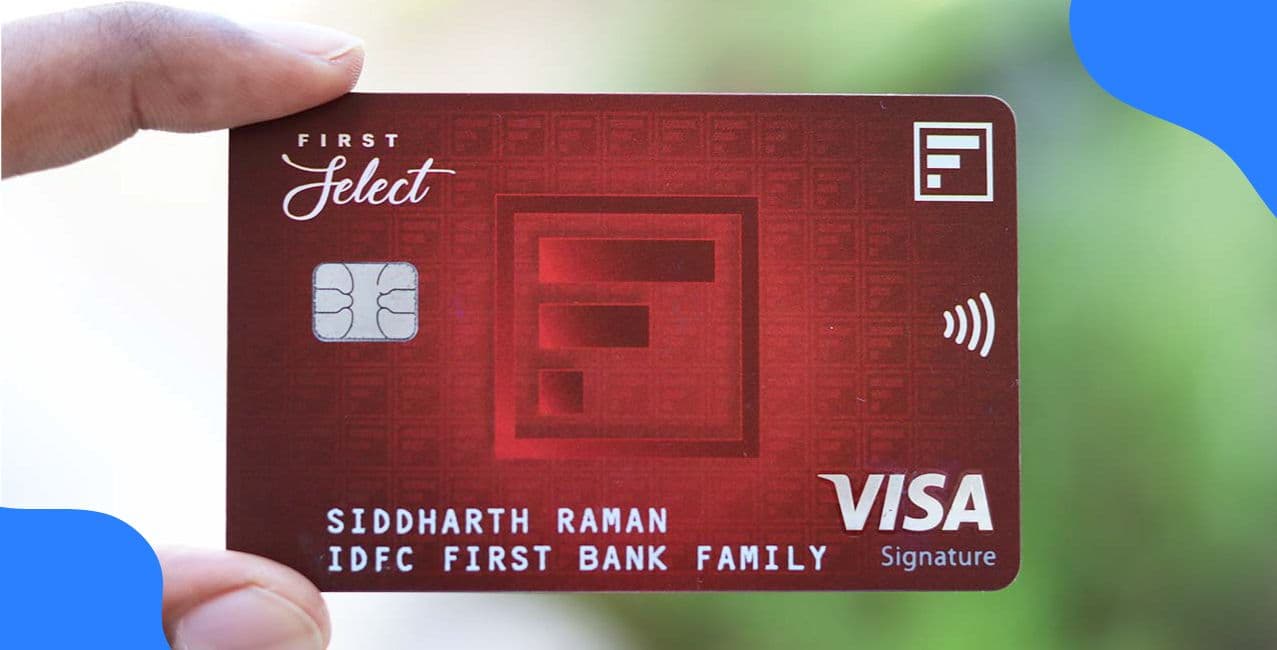
This is one of the best ways to start building your CIBIL score. You keep a fixed deposit with a bank. The bank then gives you a credit card linked to that deposit. The limit is usually 80 to 90 percent of the FD amount. Some banks even give up to 100 percent. Minimum deposit often starts from a few thousand rupees but the exact amount is different for each bank. Your FD continues to earn interest while it works as security. If you do not pay the card bill the bank can take the money from the deposit. That is why approval is easier even if you have no history.
After you get the card, use it for one or two small things every month like groceries or a regular bill. Pay the full amount written on the statement before the due date. Do this every single month. After about six months of clean payments the details get reported and a CIBIL score usually comes. Keep using the card lightly. Do not leave it unused.
Some lenders give small loans only to help people make a payment history. You apply for a small amount. You may need basic KYC and some income proof. You do not get a big amount to spend at once. Instead, you pay fixed monthly amounts for a short time, usually six to twelve months. Every payment you make on time gets reported. In some of these loans the money stays locked and comes to you only after you finish all payments. This makes a good record of regular repayment. Pick a product where reporting is clear and the full cost is easy to understand before you take it.
Payment history is the most important part of your score. Even one late payment can create a problem that stays for years, especially when your file is new. Set auto pay for the full amount on any credit card or loan. Or put reminders on your phone a few days before the due date. Treat credit bills the same way you treat rent or electricity. Most utility and rent payments do not get reported by themselves. But the habit of never missing any payment builds the discipline you need for products that do report.
Credit utilisation means the percentage of your credit that you are using. For example, if you have a credit limit of say Rs 20,000 but your dues amount to Rs 6,000 as per the recent statement, your credit utilisation would be 30%. Creditors prefer this ratio to be under 30%. Even better if you can bring it down to 10-20%. A simple way of doing this would be to not spend beyond a certain amount and pay off such bills before the statement date. High credit utilisation may bring your score down considerably, even if you pay on time.
Every time you apply for a new loan or card the lender checks your record. If many lenders check your record in a short time, they think you may have money problems and see you as risky. Wait at least a few months between applications. Apply only when you really need something and when your current accounts already show a few months of good history. One product that you manage well is better than three applications that do not work.
Avoid these mistakes for a better start:
*T&C Apply
If you stay away from these mistakes, the early months stay clean and your progress becomes faster.
Most people get their first score after about six months of regular use of a secured card or builder loan. If you pay the full amount on time and keep utilisation low then the first score is usually in a usable range. Getting to a strong level of 750 or more usually takes 12 to 24 months of steady good behaviour. The time depends mainly on how consistent you are. Every month of clean activity makes your history stronger. Knowing how to build credit from scratch and following the steps helps a CIBIL score grow step by step.
Building credit from scratch is not difficult once you know what to do. Start with a secured credit card against a fixed deposit or a small credit builder loan. Use the product for small amounts, pay the full bill on time every month, keep utilisation low and do not apply for too many things. Check your free annual reports from all four credit information companies so you know what is happening. This way you can improve your CIBIL score.
Visit the official CIBIL website, register with your PAN and personal details, verify via OTP, then log in and download your free report once a year.
Take a secured credit card, pay the full amount on time every month, and keep usage under 30 percent.
It means creating a record of borrowing money and paying it back on time so lenders can trust you.
No, rent payments do not automatically build credit unless a special service reports them to credit companies.
Missing or delaying payments on loans or credit cards is the biggest thing that hurts your score.
No, it is not difficult if you start with the right product and keep paying on time every month.
You can take a credit builder loan or become a co-borrower on someone else’s loan to start history.
The lowest possible credit score is around 300, which shows very poor repayment history.
Most people get their first score in about six months with regular on-time payments and low usage.
A score of 750 or higher is generally considered good and helps get better loan offers.