By continuing, you agree to LoansJagat's Credit Report Terms of Use, Terms and Conditions, Privacy Policy, and authorize contact via Call, SMS, Email, or WhatsApp
Disclaimer: The information published on LoansJagat is intended for general informational and educational purposes only and should not be considered financial, legal, or investment advice. Interest rates, loan terms, statistics, and other data may change over time and may vary by lender or source. Please verify the latest information and consult a qualified financial advisor or the respective Bank/NBFC before making any financial decisions.
Apply for Loans Fast and Hassle-Free
Subscribe Now
About the author

LoansJagat Team
‘Simplify Finance for Everyone.’ This is the common goal of our team, as we try to explain any topic with relatable examples. From personal to business finance, managing EMIs to becoming debt-free, we do extensive research on each and every parameter, so you don’t have to. Scroll up and have a look at what 15+ years of experience in the BFSI sector looks like.
Related Blog Post
Simplify All Your Loans Into One Affordable EMI

Customers Served

Debt Consolidated

1200+ Reviews

Locations in India
Club all Loans & Credit Card Bills into Single EMI

Quick Apply Loan
Consolidate your debts into one easy EMI.

Takes less than 2 minutes. No paperwork.

10 Lakhs+
Trusted Customers

2000 Cr+
Loans Disbursed

4.7/5
Google Reviews

50+
Banks & NBFCs Offers
Other services mentioned in this article
Key Takeaways:
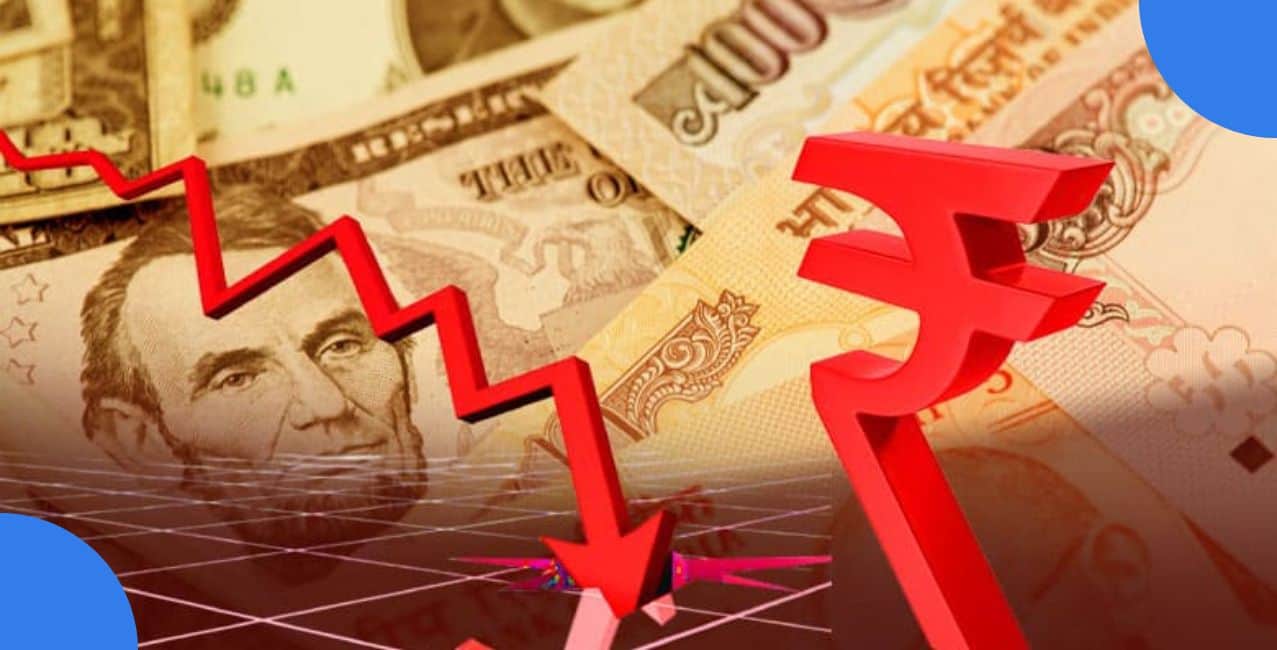
“Currency War” sounds like a complicated term. However, the idea behind this system is very simple. Countries around the globe are often seen competing in one way or another. This competition between countries is to make goods and services cheaper for foreign buyers.
One of the ways of competing is when the government tries to raise the competitive level, so it changes the value of its currency. The value of the currency is weakened so that the export business becomes cheaper for foreign buyers.
The government does this intentionally, allowing its currency to lose value so that it can boost trade and economic growth. When many countries do this at the same time, it is referred to as a currency war. This topic is discussed by economists/analysts in publications like the Currency War Book.
A currency war can be seen when a country decreases the value of its currency through lower interest rates and increases the money supply. This system is practiced in order to make the exports cheaper and attract more foreign buyers.
Meanwhile, when other countries also respond with the same action, a competition is seen. This effect can be seen globally, converting into a currency war.
Governments of various countries often adopt different economic policies as part of a strategy for currency war. This process is done in order to maintain a competitive environment in the import and export businesses in the global market.
Bonus Tip: During the Great Depression in the 1930s, many countries decreased the value of their currencies to support and protect domestic industries.
The currency war in India is often discussed when the global exchange rate fluctuates, and major economies adjust their monetary policies. Let’s see how India manages to deal with the currency war:
Instead of an aggressive decrease in the value of currency, India often focuses on stability and balanced growth. India prioritizes its stability rather than being involved in the global economic debates.
As we have learned how currency war works and how they are managed by various countries, now we will see what strategies are used during this period of time. Below is a table that will tell you the purpose of strategies adopted by different economies in this situation:
*T&C Apply
These are some of the strategies that show how central banks adjust policies to influence exchange rates while focusing on global trade competitiveness.
The HRS Currency War refers to when countries react to each other’s currency policies. In this process, one country lowers its currency value to boost the export rate, and others feel pressured to follow suit. This can trigger a chain reaction, affecting interest rates and money supply in the economic structure.
In these circumstances, a chain reaction can be seen where various economies change their interest rates or money supply to protect their trade competitiveness. In simple words, the HSR currency war is a global conversation showcasing how countries are connected and how one’s decision can influence others. Due to this, many experts are appointed to analyze the situation and instability in the global market.
While policies like these can provide temporary support to the economy, they can also create tension and financial distress worldwide. By understanding the consequences of this action, the economists help design a balanced strategy that supports growth and counters global competition.
Currency war reasons and repercussions can feel like a tug-of-war game between different countries trying to balance their currencies. This war is not a war of guns and bombs. This shows how governments and central banks manage exchange rates while the global economy falls.
In India, the main focus was always on balancing stability rather than weakening the value of its currency. Due to fluctuations in international factors, it is very difficult to get complete control over the currency values.
The point here is how a country manages its finances and responds to economic changes. Understanding currency wars will also help you understand the market fluctuations. These changes can include movement in exchange rates that can affect economic growth and financial stability over time.
What is the currency war?
A currency war occurs when a country reduces its currency value to boost trade, influencing others to do the same.
What exactly happens when nations play Currency Wars?
Countries reduce their currency value intentionally for trade advantage. This can create instability in the global market.
Why is the Indian rupee not able to overcome the problem of its depreciating value?
The Indian Rupee is depreciating due to high import demand, economic pressure, inflation, and capital outflow from strong economic countries.
Does the fall of the rupee make you wealthier?
No, it does not make you wealthier. A weaker currency will reduce your purchasing power as the import and export goods become expensive.
What are the negative effects of a currency war?
Currency war can create distress in the global trade relationships and can affect exchange rates.