By continuing, you agree to LoansJagat's Credit Report Terms of Use, Terms and Conditions, Privacy Policy, and authorize contact via Call, SMS, Email, or WhatsApp
Disclaimer: The information published on LoansJagat is intended for general informational and educational purposes only and should not be considered financial, legal, or investment advice. Interest rates, loan terms, statistics, and other data may change over time and may vary by lender or source. Please verify the latest information and consult a qualified financial advisor or the respective Bank/NBFC before making any financial decisions.
Apply for Loans Fast and Hassle-Free
Subscribe Now
About the author

LoansJagat Team
‘Simplify Finance for Everyone.’ This is the common goal of our team, as we try to explain any topic with relatable examples. From personal to business finance, managing EMIs to becoming debt-free, we do extensive research on each and every parameter, so you don’t have to. Scroll up and have a look at what 15+ years of experience in the BFSI sector looks like.
Related Blog Post
Simplify All Your Loans Into One Affordable EMI

Customers Served

Debt Consolidated

1200+ Reviews

Locations in India
Club all Loans & Credit Card Bills into Single EMI

Quick Apply Loan
Consolidate your debts into one easy EMI.

Takes less than 2 minutes. No paperwork.

10 Lakhs+
Trusted Customers

2000 Cr+
Loans Disbursed

4.7/5
Google Reviews

50+
Banks & NBFCs Offers
Other services mentioned in this article
Key Takeaways
Bonus Tip: The whitepaper emphasises that open banking is not just a technology shift but a regulated model, where governments enforce strict security and privacy standards to protect customer data while enabling innovation.
I see open banking as a way my money can safely connect with different apps through APIs. It helps me get faster, smarter, and more personalised financial services while keeping full control of my data.
For me, open banking means my bank securely shares financial data with trusted apps through APIs, but only when I allow it. I like to think of it as a digital bridge linking my bank to useful services. My bank becomes a secure platform where everything works based on my permission.
For example, when you connect your bank account to a budgeting or loan app using open banking, it can quickly analyse your income, spending, and transactions. This helps you get faster loan approvals, personalised insights, and real-time financial tracking without manually entering data or switching between multiple apps.
Open banking is basically a smarter way for your money to ‘talk’ to apps you trust.
Open banking lets you securely link your bank account to apps like budgeting tools, loan providers, or fintech platforms, but only with your permission. This removes the need to log into multiple banking apps or manually track your finances across different places.
Secure APIs act as digital bridges enabling regulated data sharing between banks and apps, improving transparency, speed, and personalisation. Your bank is no longer just a closed vault; it becomes a secure platform. And on top of it, other financial apps can build helpful services for you, but only with your consent.
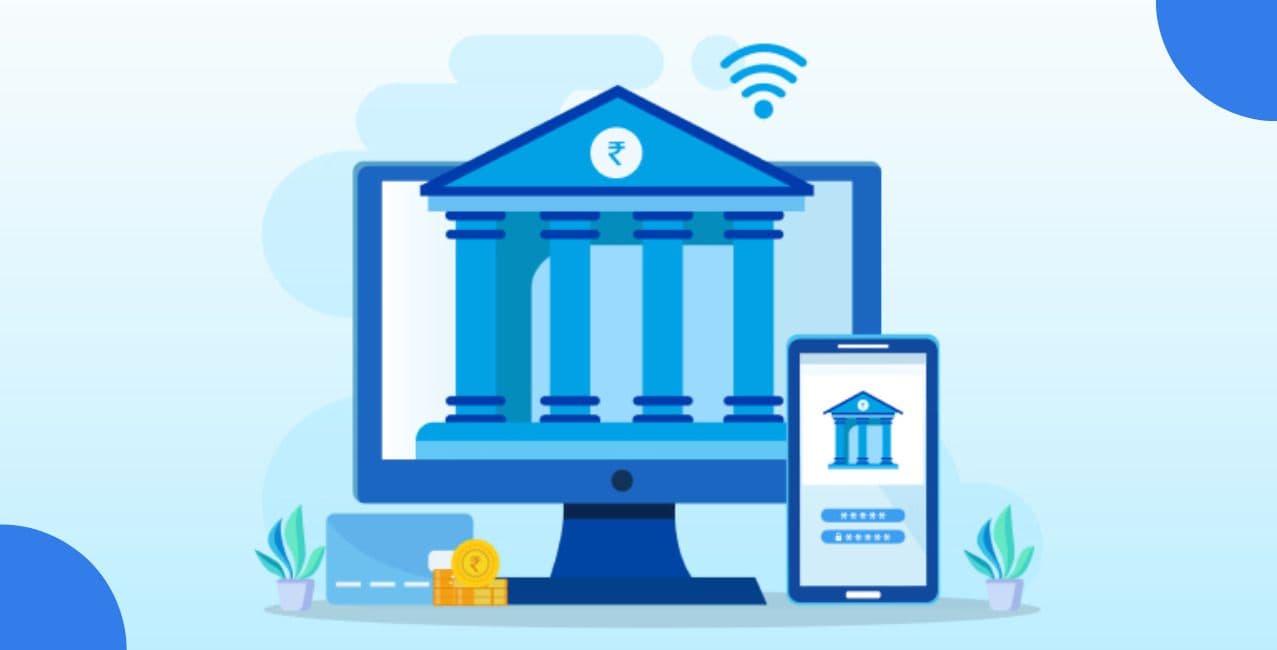
The open banking infrastructure refers to the technical and regulatory systems that make secure data sharing possible.
It includes:
Modern infrastructure ensures that data is not shared freely, but through controlled, permission-based access.
A key feature of this infrastructure is standardised API frameworks that allow multiple banks and fintech companies to integrate seamlessly, reducing fragmentation in financial ecosystems.
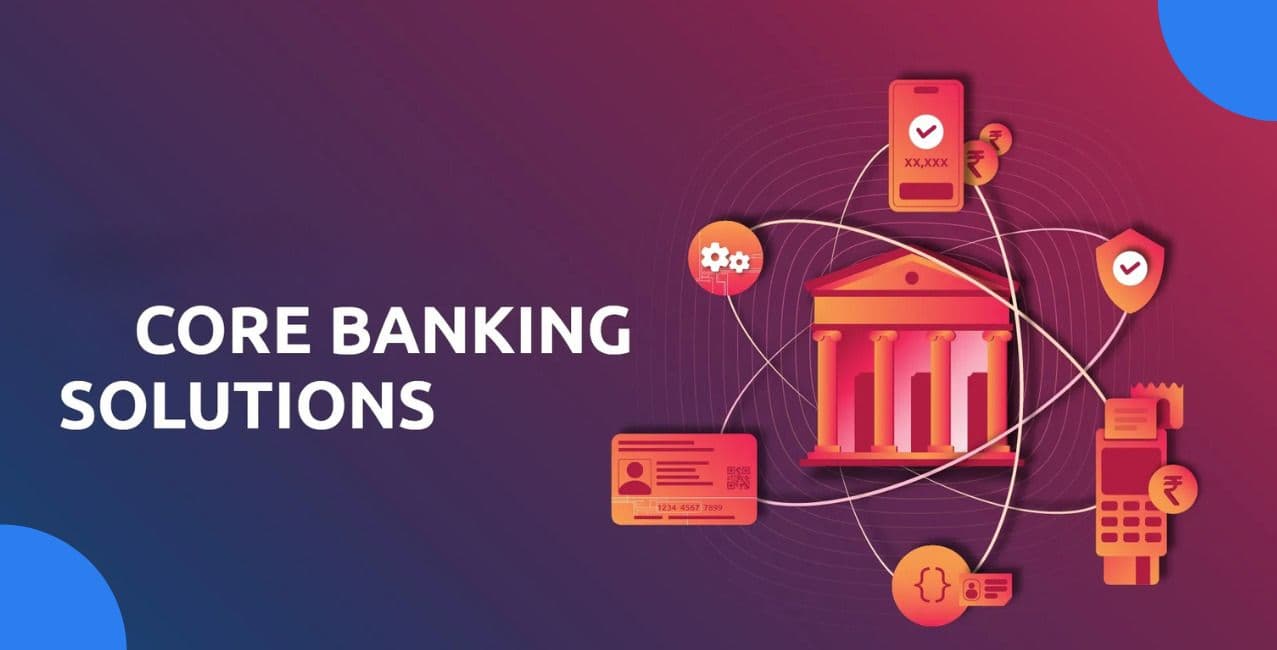
Open banking infrastructure relies on multiple layers working together to enable secure, seamless financial data sharing.
These components together create a safe, efficient, and user-controlled open banking ecosystem.
The rise of open banking services has transformed how consumers and businesses interact with money.
Open banking enables various digital financial services that enhance convenience, speed, and provide better financial insights for users.
*T&C Apply
For example, open banking enables lenders to access real-time income data instead of traditional credit checks, improving financial inclusion and decision-making speed.
A strong example of innovation is regions bank axway open banking, where Regions Bank partnered with Axway to modernise its data-sharing system. This shift replaced traditional ‘screen scraping’ with secure API-based access, giving customers full control over data sharing.
A great example of open banking innovation is the partnership between Regions Bank and Axway, which modernised secure data sharing using APIs.
This demonstrates how banks are evolving into API-driven ecosystems rather than isolated financial institutions.
Federal open banking requires institutions to securely share customer data with authorised third parties via APIs under consumer-driven banking rules.
These frameworks boost competition, drive innovation, and enhance user control over financial data, replacing insecure screen scraping methods.
Key aspects include:
Federal open banking frameworks are reshaping finance by making data sharing safer, more transparent, and consumer-focused.
Open banking is reshaping finance by turning traditional banks into secure, connected platforms that empower users with control, speed, and personalisation. By combining APIs, strong regulations, and user consent, it enables smarter financial services and innovation. Ultimately, it builds a more transparent, efficient, and user-first digital banking ecosystem for everyone.
Q1. Is open banking safe to use?
Yes, open banking uses secure APIs, encryption, and customer consent systems, ensuring your financial data is shared safely only with authorised and trusted applications.
Q2. How does open banking help banks move from traditional banking to digital while increasing customer value?
Open banking enables secure data sharing through APIs, allowing banks to collaborate with fintechs, offer faster digital services, personalised experiences, stronger security, and lower costs for customers.
Q3. Why do startups need open banking?
Open banking allows startups to securely access customer financial data through APIs. This helps them develop innovative fintech solutions like payment apps, neobanks, lending platforms, and personalised financial services quickly and at lower costs.
Q4. How does open banking work, and can lenders monitor your account continuously?
Open banking allows you to securely share selected financial data only with your consent. Access is limited, transparent, and usually one-time unless you choose to give ongoing permission.
Q5. What are open banking, banking-as-a-service (BaaS), and banking APIs?
Open banking and BaaS use banking APIs to give fintech companies secure access to banking infrastructure and data. This allows them to create financial products like payments, lending, and digital banking services without operating as a traditional bank.