By continuing, you agree to LoansJagat's Credit Report Terms of Use, Terms and Conditions, Privacy Policy, and authorize contact via Call, SMS, Email, or WhatsApp
Disclaimer: The information published on LoansJagat is intended for general informational and educational purposes only and should not be considered financial, legal, or investment advice. Interest rates, loan terms, statistics, and other data may change over time and may vary by lender or source. Please verify the latest information and consult a qualified financial advisor or the respective Bank/NBFC before making any financial decisions.
Subscribe Now
About the author

LoansJagat Team
‘Simplify Finance for Everyone.’ This is the common goal of our team, as we try to explain any topic with relatable examples. From personal to business finance, managing EMIs to becoming debt-free, we do extensive research on each and every parameter, so you don’t have to. Scroll up and have a look at what 15+ years of experience in the BFSI sector looks like.
Related Blog Post
Simplify All Your Loans Into One Affordable EMI

Customers Served

Debt Consolidated

1200+ Reviews

Locations in India
Club all Loans & Credit Card Bills into Single EMI

Quick Apply Loan
Consolidate your debts into one easy EMI.

Takes less than 2 minutes. No paperwork.

10 Lakhs+
Trusted Customers

2000 Cr+
Loans Disbursed

4.7/5
Google Reviews

50+
Banks & NBFCs Offers
Other services mentioned in this article
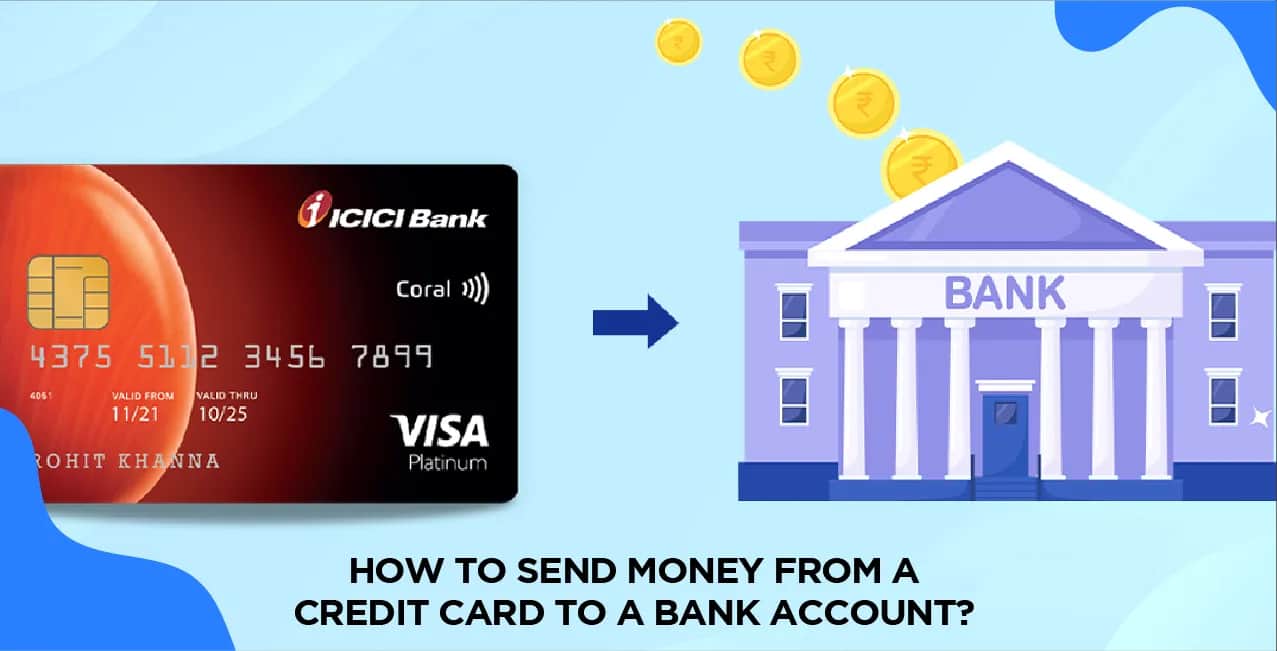
Credit cards aren't only for making purchases. You can also transfer money from your credit card to your bank account. In short, you can use this method during a cash shortage. The Reserve Bank of India rules treat normal credit card purchases differently from cash withdrawal and fund transfer. That's why it's important to understand all the available methods and their cost.
Key takeaways
A credit card is a tool that is used to make purchases by borrowing money from financial institutions. The bank gives you a credit limit, and you can spend within that limit.
When you buy something and use a credit card, the bank pays the merchant, and after that you need to repay this money to the bank. The bank sends you a statement at the end of the billing cycle; you need to pay the money at that time. If you do not pay the full outstanding amount, the bank can charge interest on it.
Yes, you can transfer money to your bank account. Primarily, credit cards are used to make purchases, but sometimes you can move money from your credit card to your bank account for a payment or urgent financial need.
Many times you can't use a credit card directly. Like if you purchase something online or in-store, you can directly make a payment with a credit card, but when you have to pay for insurance premiums, rent, or certain loans. You can't pay it directly with a credit card. In this case, you can transfer money from your credit card and use it from your bank account.
But these transfers involve processing fees or interest charges, so you should check the terms and charges before making a transfer.
Methods for Transferring Money from Credit Card to Bank Account
Here are some methods by which you can transfer money from a credit card to a bank account.
It's not necessary that every credit card supports direct transfers to a bank account. Cash advances and similar facilities can also be expensive because interest may start from the date of the transaction. You should always check your card issuer's latest terms, fees, and interest charges before using this method.
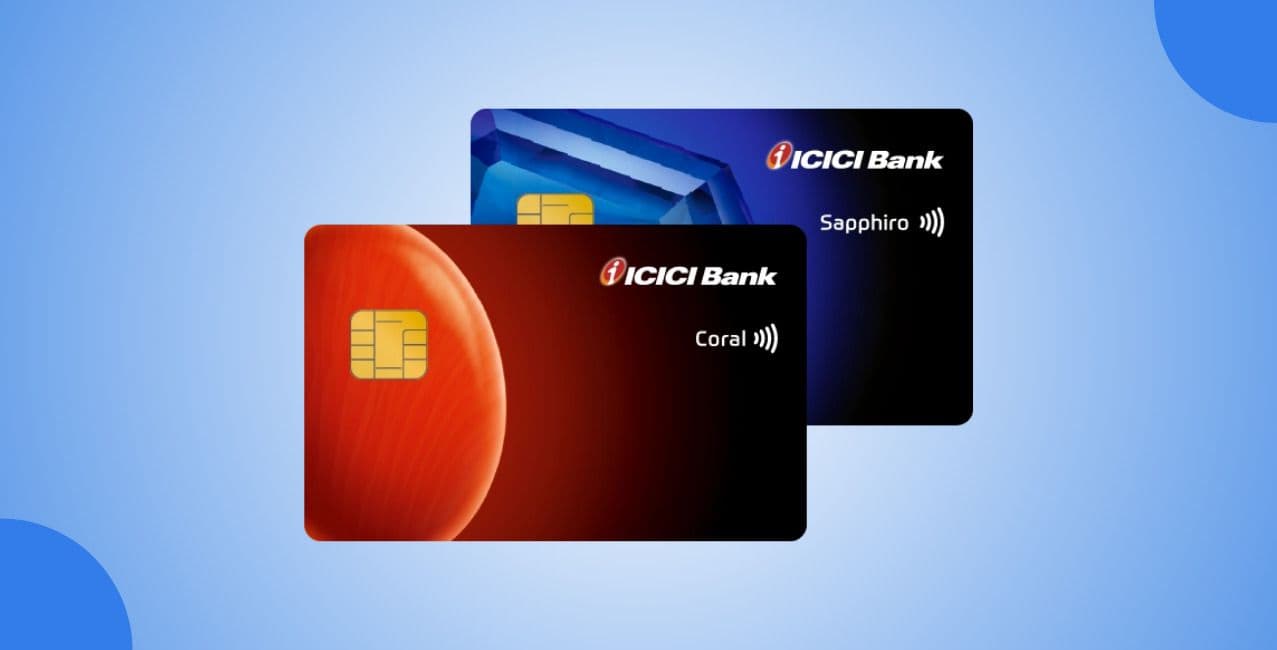
If you are an eligible credit card customer, you can get this pre-approved loan facility on a credit card. Banks like HDFC Bank, SBI, and ICICI Bank offer this facility. You can convert part of your available credit limit of a pre-approved offer into a loan. This money is credited to your account.
What are the changes for it?
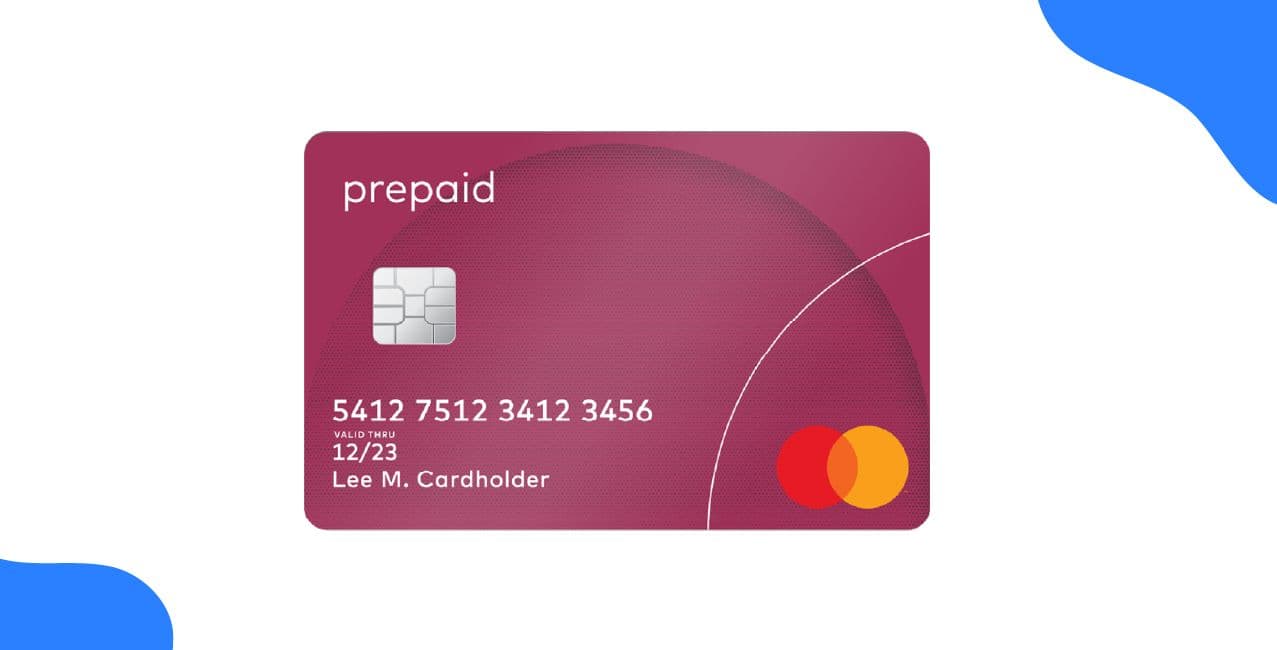
There are some full-KYC digital wallets that can allow you to load money using a credit card and, where permitted, transfer the wallet balance to a bank account, subject to the wallet provider’s terms and applicable RBI rules.
Bank transfers from a prepaid payment instrument (PPI) are allowed only when the PPI and the transaction meet the applicable RBI rules and the wallet provider’s terms. Full-KYC status can be required, and the transfer can also be subject to limits and other conditions. Also, the wallet or payment provider may charge a convenience or processing fee, which can increase the overall cost.
You can withdraw cash from an ATM by using the cash withdrawal limit on your credit card and then deposit that cash into your bank account. The bank can charge a cash advance fee, normally a percentage of the withdrawn amount subject to a minimum charge.
Like regular purchases, cash advances do not get an interest-free period. Interest can start from the date of withdrawal and continue until the amount is repaid.
RuPay credit cards can be linked with your UPI for eligible transactions. But their use through UPI is generally meant for Person-to-Merchant (P2M) payments.
Direct Person-to-Person (P2P) transfers to another person's bank account or UPI ID are generally not allowed through a RuPay credit card.
That's why, you generally cannot use a RuPay credit card linked to UPI to directly send money to a friend, family member, or your own bank account.
*T&C Apply
You need to keep this information in mind before transferring money from a credit card to your bank account:
So, before choosing any method, you should check the bank's latest fees, interest rate, eligibility rules, and transaction restrictions.
If you are facing any financial difficulty, you can use your credit card to transfer money to your bank account. But remember that this can be expensive because credit cards are usually used to make Direct payments to the merchants.
You can use pre-approved credit-card loans, eligible wallet routes, or cash withdrawal for transferring money. You need to check applicable processing fees, interest rate, cash withdrawal limit, GST, and repayment terms before choosing any method. Also, you should avoid using third-party platforms without checking their legitimacy and your card issuer's rules. Plus, use this facility only in an emergency.
Yes, you can, but it depends on the credit card. Normally, all credit cards do not provide this facility. You can check your bank's official mobile app or website to know specific services.
Directly person to person money transfer via UPI isn't possible with a credit card because it is made to pay merchants.
Yes, it is expensive because it contains Processing or Transfer Fees, cash advance fees, and a high interest rate. So you should use this facility only in an emergency.
Yes, you can withdraw cash using your credit card and deposit it into your bank account, subject to applicable fees and limits. But this is one of the more expensive methods.
No, it doesn't have an interest-free period. Your interest starts piling up immediately from the exact date you withdraw the cash. And it has a high monthly rate.
Yes, you can absolutely use a digital wallet or fintech app to transfer credit card money to your bank account.
The safest way to transfer money from a credit card is by using the official "Dial-a-Loan" or "Instant Personal Loan on Credit Card" feature offered directly by your credit card issuer.
Yes, it affects your credit score because when you transfer money from a credit card to your bank account, it increases your credit utilisation ratio. It also triggers a hard inquiry.
No. Whether this is possible depends on your card issuer, card type, and the available transaction methods.
No, a credit card-to-bank transfer is generally not better than taking a personal loan. A credit card-to-bank transfer is only useful in an emergency because it is expensive.