By continuing, you agree to LoansJagat's Credit Report Terms of Use, Terms and Conditions, Privacy Policy, and authorize contact via Call, SMS, Email, or WhatsApp
Disclaimer: The information published on LoansJagat is intended for general informational and educational purposes only and should not be considered financial, legal, or investment advice. Interest rates, loan terms, statistics, and other data may change over time and may vary by lender or source. Please verify the latest information and consult a qualified financial advisor or the respective Bank/NBFC before making any financial decisions.
Subscribe Now
About the author

Vidhi Chauhan
Vidhi Chauhan is a copywriter and content writer with extensive experience creating high-quality, SEO-driven content across multiple industries, with a strong focus on fintech. She has written extensively on GST, banking, personal loans, business loans, credit cards, income tax, insurance, and other financial topics, helping Indian readers understand complex concepts through clear, accurate, and engaging content.
Related Blog Post
Simplify All Your Loans Into One Affordable EMI

Customers Served

Debt Consolidated

1200+ Reviews

Locations in India
Club all Loans & Credit Card Bills into Single EMI

Quick Apply Loan
Consolidate your debts into one easy EMI.

Takes less than 2 minutes. No paperwork.

10 Lakhs+
Trusted Customers

2000 Cr+
Loans Disbursed

4.7/5
Google Reviews

50+
Banks & NBFCs Offers
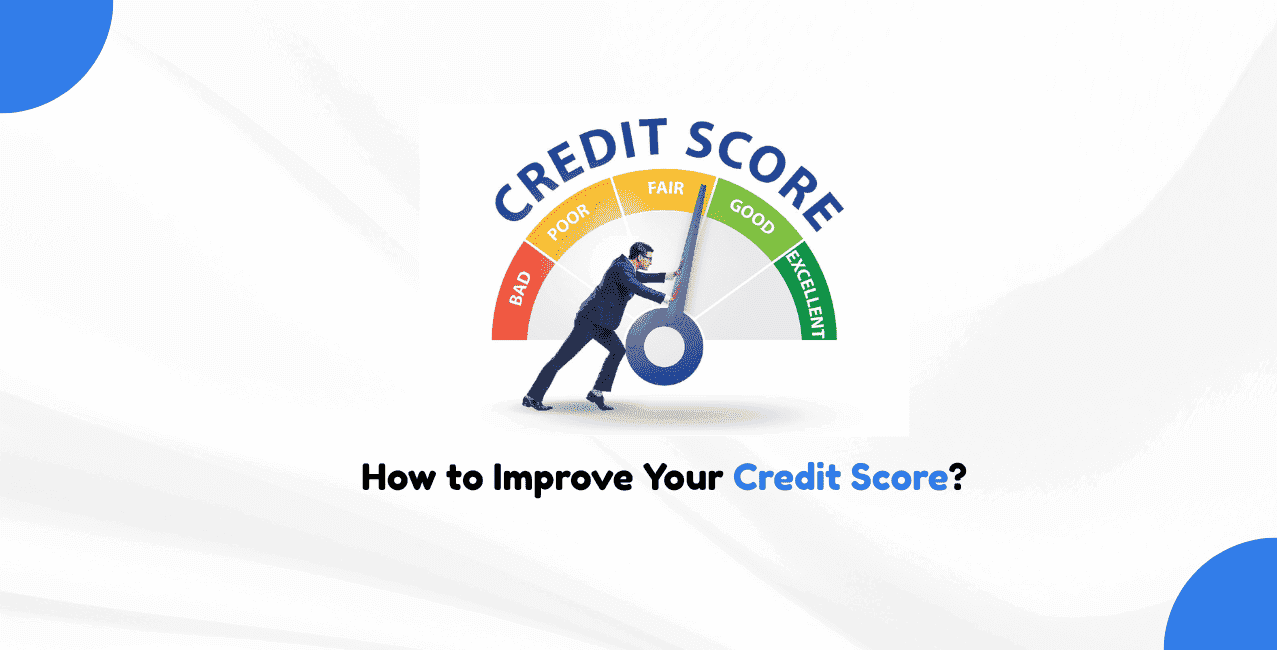
A person can improve their credit score through proper financial habits such as paying one’s bills on time, maintaining low credit utilisation ratios, and not applying for several loans or credit cards at once. Having a high credit score helps people get loans approved easily.
People often assume that having good income means you will get credit. However, lenders not only look at your income but also consider many other aspects like payment history, level of debt and overall behaviour related to credit.
Knowing about the process of working with credit scores will allow you to avoid mistakes and build a strong financial profile. This article will talk about the importance of having credit scores, the government's latest clarifications about CIBIL score rules and tips on how you can improve it.
Key Takeaways
There is no specific credit score set by the RBI.
The credit score is a three-digit figure, ranging between 300 and 900, which depicts how well you borrow and pay back money. The better the score, the more trustworthy the borrower appears to be to lenders. Any score above 750 is seen as good.
The credit bureaus like CIBIL and Experian calculate this score by looking into various aspects of your credit report. These include your history of loans, use of credit cards, payments made and dues outstanding.
All in all, good credit scores facilitate better borrowing.
Clarification on the stand taken by the Government regarding rationalisation of CIBIL scores has been provided by the Ministry of Finance in answer to an unstarred question asked in Rajya Sabha on 29 July 2025. The issue was whether credit scores were harming the credit accessibility of the borrowers and whether there were any plans for change in the same.
Try to make timely payments of the credit card bills always. Delays in payment or non-payment of bills can cause a reduction in your CIBIL score, which will further affect your future chances of getting loans or credit cards. Your credit score may fall below 600 because of frequent defaults on payments.
Things to keep in mind:
Even when you are unable to make the total payment, try to make at least the minimum payment. Even if interest will apply to the rest of the amount left behind, making the minimum payment will help keep your account out of arrears.
Getting too many credit cards or loans at once will decrease your credit score. Creditors might consider many applications as an indication that you are having financial problems.
Consider the following:
In case you are only looking for comparisons, ask the lender to give you a quote or an eligibility check instead of conducting the full credit check on you. This will prevent any impact on your credit rating during your search for various alternatives.
*T&C Apply
Since a good credit history takes some time to build, it would be a good idea to start building your credit history as soon as possible. Typically, it takes at least six to twelve months to build up a credit history.
Your credit report includes:
If you lack credit history, it might be tough for financial institutions to gauge how well you can repay a loan.
The way to start building your credit record is by using some credit and maintaining it properly. These steps include:
Being a good borrower today will help you borrow bigger sums later.
Conclusion
Credit improvement needs time and dedication as well as good financial practices. Timely bill payments, reducing credit applications, and establishing good credit history may help improve one’s credit status over time. Given that lenders take many other aspects into consideration besides credit scores, it is important to have good credit behaviours. Good credit scores open doors for getting affordable loans.
Credit scores generally get revised when there is any submission of information by lenders to the credit bureaus. Most times, any change in your credit habits becomes reflected in 30 to 45 days.
It is possible in certain scenarios because by closing your old credit card, you may reduce your credit history along with your credit utilisation ratio.
It varies from one credit bureau to another, along with any regulation that applies to them. Lenders have access to such default records when evaluating your credit history.
Incorrect data can negatively affect your credit score. Regular checks are needed, and if there is anything wrong, it should be reported to the agency issuing the credit report.
If you act as a guarantor, then it might indirectly affect your credit score because it means you have taken on more financial risk. Non-payment by the borrower will also affect your credit score.
It will not affect your credit score, but lenders may take into account the fact that you have moved to a new job place when assessing your creditworthiness.
No, checking your credit score will not affect it because you do not apply for a loan at that moment.
The payment record of the joint loan will affect the credit scores of all the borrowers included in the account.
The timely payments of the secured loan could contribute to a good credit history and, thus, enhance your credit score.
The checking of your credit report several times a year could help you discover possible mistakes or fraud attempts.