By continuing, you agree to LoansJagat's Credit Report Terms of Use, Terms and Conditions, Privacy Policy, and authorize contact via Call, SMS, Email, or WhatsApp
Disclaimer: The information published on LoansJagat is intended for general informational and educational purposes only and should not be considered financial, legal, or investment advice. Interest rates, loan terms, statistics, and other data may change over time and may vary by lender or source. Please verify the latest information and consult a qualified financial advisor or the respective Bank/NBFC before making any financial decisions.
Apply for Loans Fast and Hassle-Free
Subscribe Now
About the author

LoansJagat Team
‘Simplify Finance for Everyone.’ This is the common goal of our team, as we try to explain any topic with relatable examples. From personal to business finance, managing EMIs to becoming debt-free, we do extensive research on each and every parameter, so you don’t have to. Scroll up and have a look at what 15+ years of experience in the BFSI sector looks like.
Related Blog Post
Simplify All Your Loans Into One Affordable EMI

Customers Served

Debt Consolidated

1200+ Reviews

Locations in India
Club all Loans & Credit Card Bills into Single EMI

Quick Apply Loan
Consolidate your debts into one easy EMI.

Takes less than 2 minutes. No paperwork.

10 Lakhs+
Trusted Customers

2000 Cr+
Loans Disbursed

4.7/5
Google Reviews

50+
Banks & NBFCs Offers
Other services mentioned in this article
Key Takeaways:
When we hear the word investment, the first thing that comes to each of our minds is big success and shoutouts. But in reality, not every investment can offer a big return; in fact, it can also transform into a big loss. The investment market comes with various risks; this is where investors use risk adjusted return calculation.
It is simple, if we have a choice that one investment is offering 12% return while another is giving 8%. We all know what we will choose here, right? But what if I told you that 12% return also has a catch? You will need to spend hours in front of the screen, and you are going to face some uncertainties. Will you still choose it?
This is exactly why risk adjusted return matters. It provides you with clarity of your profits, like how much you earned and what took you to reach that. This is where you will understand whether the risk you took was worth it or not.
If you also want to learn more about this method, we have a whole article written for you. You just need to scroll down and read it. Here, we will teach you the concept, logic, and decisions behind the risk adjusted return.
So you have heard about the risk adjusted return? What do you think about this method? Let me tell you what I think.
I think of risk adjusted return as a reality check. It is an investment tool that is not impressed by higher returns alone. It makes you ask yourself, do you actually deserve this? Interesting.
As per some renowned institutions, the risk adjusted return evaluates the amount of return an investment will generate. Also, while keeping in mind how much risk you might face to reach that return price. This can also be expressed as a ratio that indicates better performance where the value is higher.
Most investors feel safe with choosing the investment that offers a higher return, but in reality, one should choose an investment that is stable. This is where investors should use this tool. Investors rely on returns that mislead them in choosing the wrong option. High returns might look good in numbers, but they may not be as sustainable as they look.
Instead of trusting words, we will show you how to calculate risk adjusted return practically. Once you understand the calculations, it will actually make sense in your head.
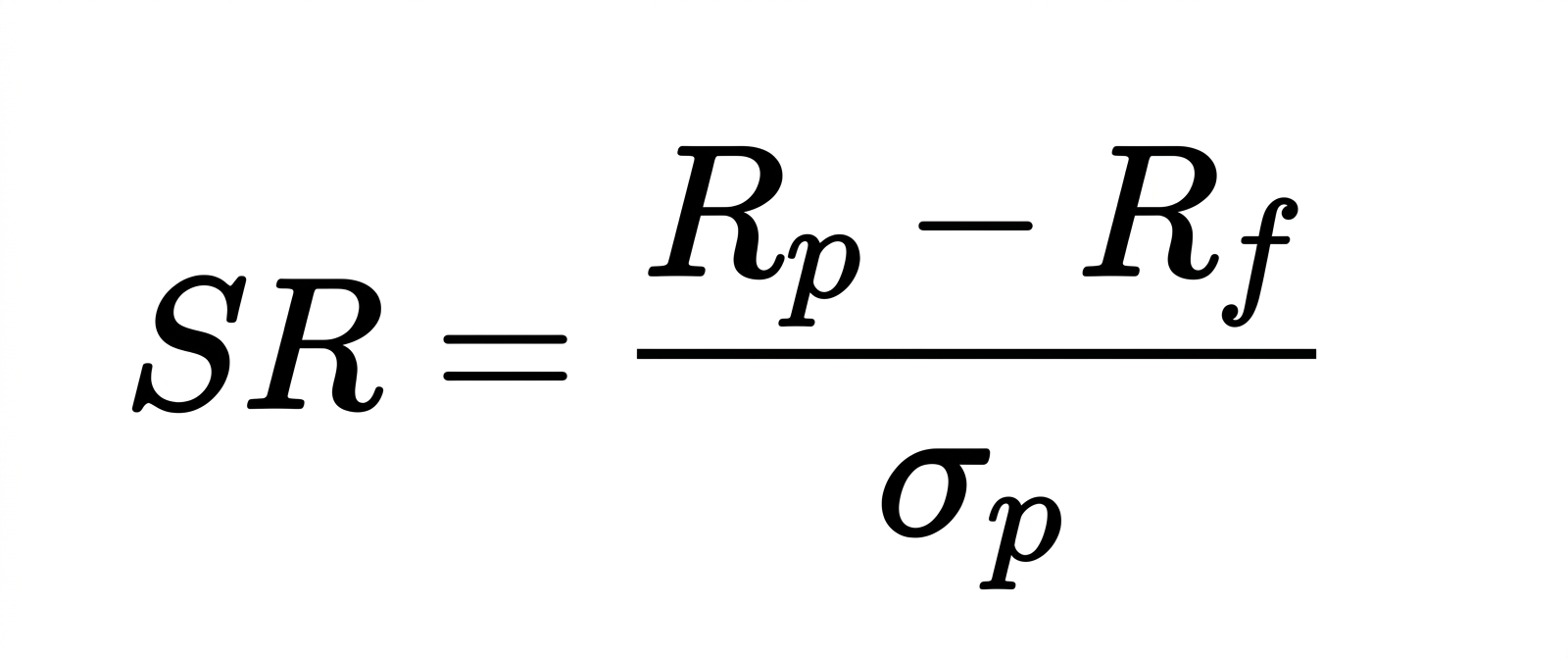
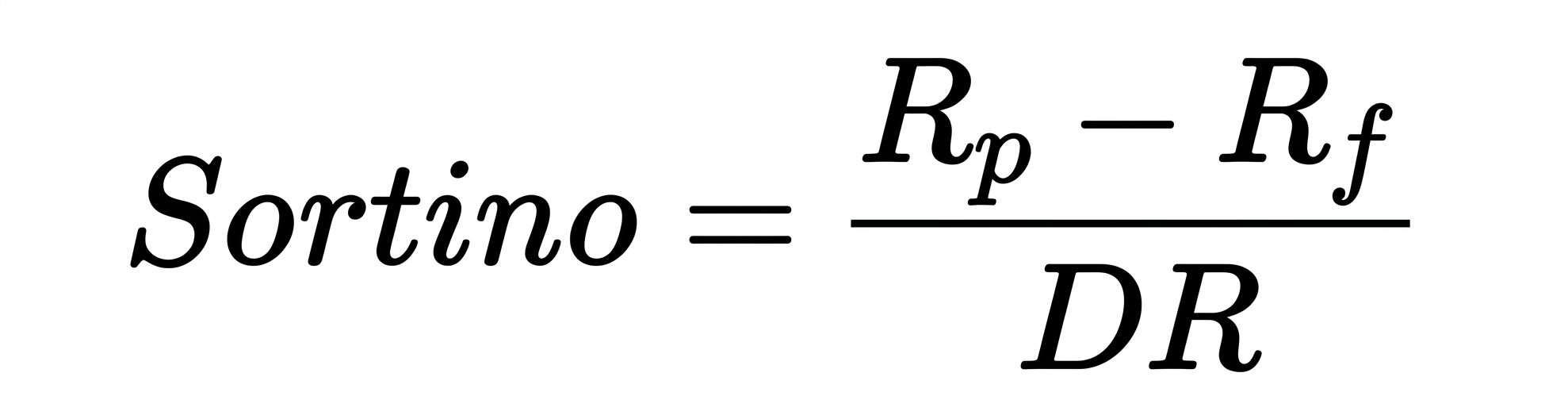
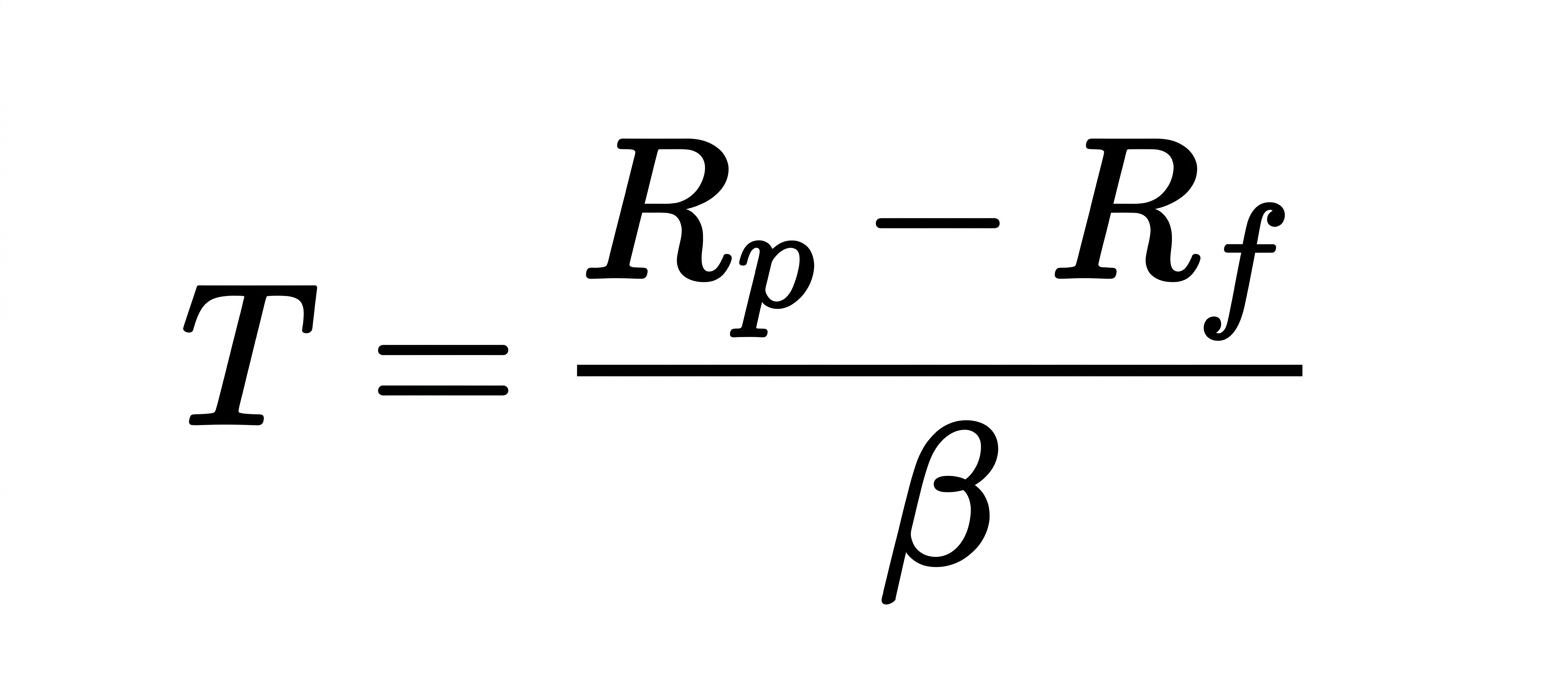
Below are some of the methods through which you can also calculate the risk adjusted return:
Components explained:
In the above table, the most used and common method is risk adjusted return Sharpe ratio. This is mostly used by investors to evaluate the returns.
*T&C Apply
Bonus Tip: The risk adjusted return on capital (RAROC) is an important financial metric for banks and investors. As per 2025-26 data, the RAROC has a strong financial figure for institutions of 12-15%.
Most investors, while investing, focus on returns and simply forget about the risk factor. This decision can look good on paper, but the effort it takes to reach the profit is unimaginable. This is why you should understand the importance of risk adjustment return:
These advantages of risk adjustment returns help investors in better calculations that automatically improve their investment game. Hopefully, you have understood what this tool helps you with and will try to make better decisions in the future.
Investing is not just about chasing the highest returns you see on the chart. But it is about making smart decisions and balancing your finances according to you and not the market trends or profits. You just look at the chart and decide what you want, but risk adjusted returns help you look at the picture from a bird’s view.
Doesn’t matter if you are an individual investor or you manage a big firm; the risk-adjusted return will help you through each step. This not only helps you protect your investment but also helps you grow and make sustainable decisions.
What does risk adjusted return mean?
It shows the actual amount of return you earned against the risk you took.
How to find the most accurate risk adjusted returns?
You can use methods like Sharpe and Sortino ratios, and make sure to compare them on similar investments for a clear view.
What's the purpose of calculating the risk-adjusted return of a portfolio?
The main purpose is to help you understand if the portfolio return is worth the risk you face in the investment.
What does a good risk-adjusted return mean?
A good risk adjusted ratio means that you are earning high returns without taking unnecessary risks.
What is the difference between Sharpe and Sortino Ratios?
Comparing these terms is very simple; the Sharpe ratio focuses on total risk, while the Sortino ratio evaluates downside risk.