By continuing, you agree to LoansJagat's Credit Report Terms of Use, Terms and Conditions, Privacy Policy, and authorize contact via Call, SMS, Email, or WhatsApp
Disclaimer: The information published on LoansJagat is intended for general informational and educational purposes only and should not be considered financial, legal, or investment advice. Interest rates, loan terms, statistics, and other data may change over time and may vary by lender or source. Please verify the latest information and consult a qualified financial advisor or the respective Bank/NBFC before making any financial decisions.
Apply for Loans Fast and Hassle-Free
Subscribe Now
About the author

LoansJagat Team
‘Simplify Finance for Everyone.’ This is the common goal of our team, as we try to explain any topic with relatable examples. From personal to business finance, managing EMIs to becoming debt-free, we do extensive research on each and every parameter, so you don’t have to. Scroll up and have a look at what 15+ years of experience in the BFSI sector looks like.
Related Blog Post
Simplify All Your Loans Into One Affordable EMI

Customers Served

Debt Consolidated

1200+ Reviews

Locations in India
Club all Loans & Credit Card Bills into Single EMI

Quick Apply Loan
Consolidate your debts into one easy EMI.

Takes less than 2 minutes. No paperwork.

10 Lakhs+
Trusted Customers

2000 Cr+
Loans Disbursed

4.7/5
Google Reviews

50+
Banks & NBFCs Offers
Other services mentioned in this article
Key Takeaways:
Most people, especially in India, have experienced different types of fraud related to online shopping and deliveries. One of the most common ones is when you order something from a website, and it asks you to make the payment in advance. Deep down, you know it is a fraud, and the product will never arrive, but still, you pay the full amount. And guess what happens next? You never received the product, and you can not make any complaints because it was your decision after all.
A very similar thing is seen in the financial markets. When two parties make a deal, one pays the full amount in advance but never receives what was promised by the other party. It often happens when one side fails or delays fulfilling their part of the deal. But the blame will be on the party that paid in the first place, right?
This risk is not very rare, and it's not like only you are dealing with it; there are many people who can claim to experience the same thing. This risk is mostly seen in the foreign exchange market, the reason for this is the time zone difference. Let’s take a deeper look into it and understand how this happens and how you can deal with it.
If you search for settlement risk on Google, you will mostly see technical definitions and terms that normal people may find difficult to understand. Don’t worry, we have curated the easiest way for you to understand this term.
In simple words, a settlement risk is the risk that one party faces during an online deal done in the exchange market. This happens when two parties finalise a deal, and one party agrees to pay money in advance in promise of receiving assets or services in return. But the thing that happens here is, they never receive the service or even their money back. Most people ask is settlement a credit risk; the answer is yes, both of these terms are very similar in various situations.
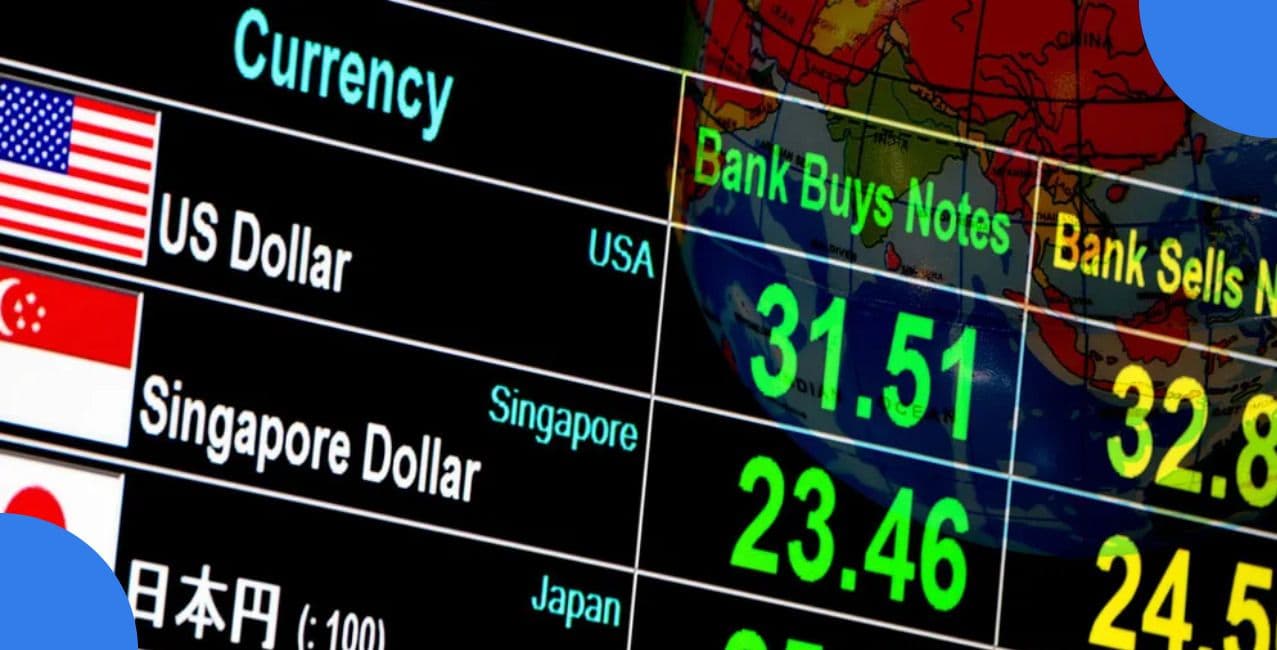
This type of risk, or we can say fraud, is often seen specifically in foreign exchange markets. The settlement risk in foreign exchange is generally due to time zone differences between the two parties.
Basically, this is what happens here: you transfer the money in return for assets, shares, or other services. However, the other party fails to complete their part of the deal. This gap between the two parties is what we call a settlement risk.
Bonus Tip: Settlement risk is also known as Herstatt risk, which was renowned after the 1974 Bankhaus Herstatt collapsed. This event created the Basel Committee on Banking Supervision, setting global banking rules and capital standards.
As we have already learned much about settlement risk, our main focus here will be to understand what pre-settlement risk is.
Basically, a pre-sttlement risk or replacement risk is very similar to settlement risks. But, in the pre-settlement, the other party defaults a long time before the settlement due date. Meaning the deal is still in process, but suddenly the other party backs out. This leads to creating pressure on the second party to get engaged in a new contract, which may not be as favourable as the previous one.
Below, we have mentioned a table through which you can check how settlement and pre-settlement risk are different from each other:
Hopefully, now you have understood the difference between the two of them. This can feel a bit tricky at first, but once you try to understand, it will be much easier.
A very fun fact about pre-settlement risk is that it is very similar to the counterparty risk. This means that the difference between settlement risk vs counterparty risk is the same as mentioned above in the table. Most people get confused between these two terms, but they are the same. If you want to understand the difference between settlement risk vs counterparty risk, you can refer to the table above.
We all know how every situation has its own solution, and not one solution is made for every problem. Similarly, to deal with the different settlement risk, we have two important types of risk to deal with problems in the financial market.
Default risk is seen when one party completely fails to complete or fulfill the contract and does not deliver the assets the other party asked for. This is one of the worst-case scenarios as the transaction does not happen at all. Default risk occurs when a company goes completely bankrupt or faces some serious financial issues.
As the name suggests, this type of risk is often seen when the due date is near. Here, the transaction does happen, but not on time. Both parties complete the deal, but a slight delay in payment or delivering the assets can be seen. This can create uncertainty and even short-term loss for some.
Here is a quick comparison between the two:
*T&C Apply
Timing Risk
Both of these risks have their difference, but the main point is that one party will absolutely face some issues. Default risk is the worst issue that one can face, while timing risk can lead to delay, but the contract is completed in the end.
A settlement risk is the final step of a deal where the risks are higher, and everything can go wrong in a second. Trades may look perfect on paper, but only traders know what they are actually dealing with in real life. One of the biggest examples of facing issues during trading is settlement risk. We can not completely avoid this situation, but we can definitely learn to handle it. If you are someone who is dealing with it right now, just sit down and focus on fixing things instead of panicking.
Is there really any risk to doing settlement claims with no proof if you never actually qualify?
Yes, it can be risky at times and can lead to rejections, penalties, and various legal troubles if the claim is false.
Why is settlement risk considered non-financial?
It is about process failure, but it can still lead to financial loss and is considered an indirect financial term.
What is the foreign exchange (FX) settlement risk?
It is the type of risk where one currency is paid, but the other party did not receive it. It can usually happen due to time differences.
What is pre-settlement risk?
It is a risk that a party defaults before the final settlement, leading to forcing the other party to possibly opt into another deal.
What caused the Hestatt or settlement risk?
This came from the collapse of Bankhaus Herstatt, where payments were made but were not received on time or at all due to time differences.
Related Blog Pages | |||