By continuing, you agree to LoansJagat's Credit Report Terms of Use, Terms and Conditions, Privacy Policy, and authorize contact via Call, SMS, Email, or WhatsApp
Disclaimer: The information published on LoansJagat is intended for general informational and educational purposes only and should not be considered financial, legal, or investment advice. Interest rates, loan terms, statistics, and other data may change over time and may vary by lender or source. Please verify the latest information and consult a qualified financial advisor or the respective Bank/NBFC before making any financial decisions.
Subscribe Now
About the author

Vaishnavi kale
Vaishnavi is a Financial Content Writer at LoansJagat. She holds a B.Sc. and an M.Sc. She has experience in writing SEO-focused content across finance, digital marketing, education, and Ayurveda. Before joining LoansJagat, she worked with digital marketing agencies serving fintech clients and quick-commerce brands like Zepto and blinkit. At LoansJagat, Vaishnavi writes on banking, loans, personal finance, and insurance. Her work involves researching financial topics, understanding user search intent, and creating content that is clear and accurate. She has experience in SEO content writing, keyword research, content optimisation, and AEO. She enjoys simplifying complex topics into practical information that readers can easily understand and use. She believes that well-researched and reliable content plays an important role in helping people make informed financial decisions.
Related Blog Post
Simplify All Your Loans Into One Affordable EMI

Customers Served

Debt Consolidated

1200+ Reviews

Locations in India
Club all Loans & Credit Card Bills into Single EMI

Quick Apply Loan
Consolidate your debts into one easy EMI.

Takes less than 2 minutes. No paperwork.

10 Lakhs+
Trusted Customers

2000 Cr+
Loans Disbursed

4.7/5
Google Reviews

50+
Banks & NBFCs Offers
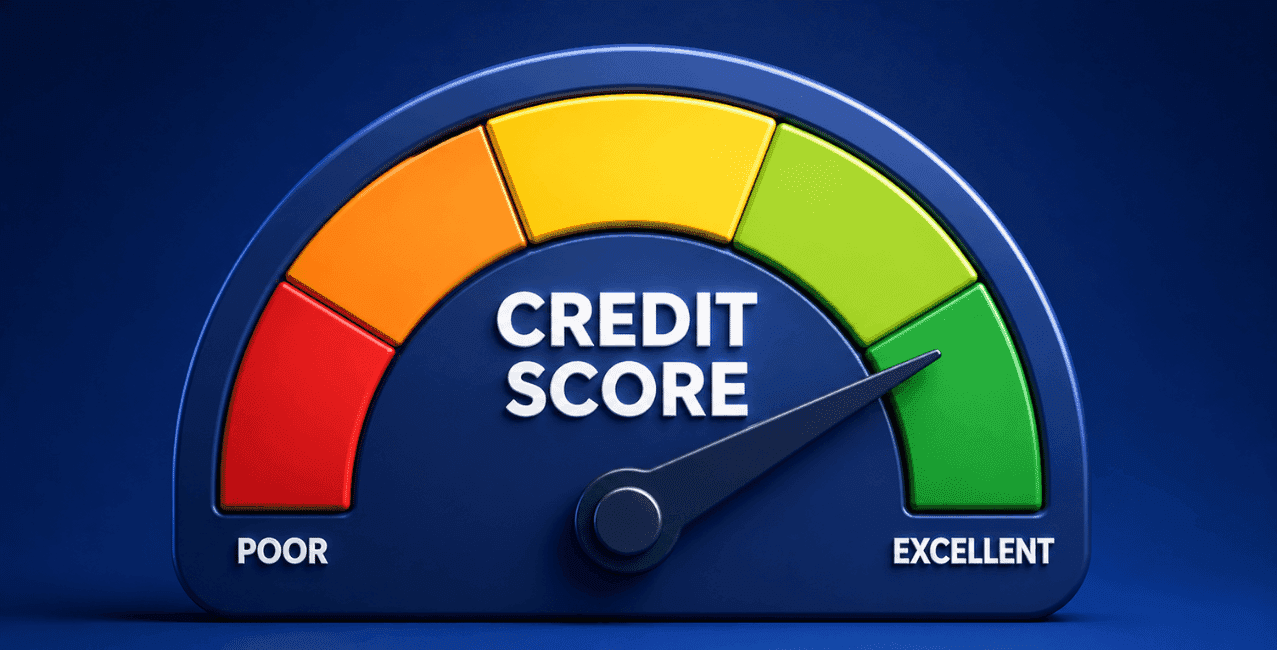
A credit score is a 3-digit number that is mentioned in the credit report. These credit reports are issued by credit information companies like CIBIL, Experian, Equifax, and CRIF High Mark. Your credit score can be the reason for rejection or acceptance of your loan application. This makes credit score a very important factor. Credit score ranges from 300 to 900. If you have a good credit score, you are more likely to get a loan because of your creditworthiness.
A credit score is a 3-digit number that shows your credit history and repayment behaviour. Lenders use it as one of the key factors to check your creditworthiness. This score is shown in your credit report. The credit bureau assesses your repayment history, credit card usage, and overall credit behavior, and then a score is assigned based on that.
There are four credit information companies, like CIBIL, Experian, Equifax, and CRIF High Mark. These companies provide you with a credit score on your credit report. In India, credit scores range from 300-900. The higher your credit score, the better your creditworthiness.
When you apply for a new loan, the bank checks your documents. One of those documents is your credit report. If you have a good credit score, you can get these benefits.
A higher credit score shows good repayment habits and can make it easier to get a loan. A lower score may make lenders see you as a higher-risk borrower, leading to stricter loan terms or extra checks.
This isn't a big problem. You can change your report by informing your credit bureau if you have some errors in it. The first step is to raise a dispute online with the credit bureau (such as CIBIL, Experian, Equifax, or CRIF High Mark) or contact the lender that reported the information. If your issue is not resolved within the prescribed timeline, you can raise the complaint through the RBI Integrated Ombudsman Scheme.
Your credit score shows how responsibly you have managed credit in the past. Lenders use it along with your income and ability to repay to assess your creditworthiness. Your lender can decide whether to approve the loan or not. That's why maintaining a good credit score is important. Here are some tips that you can follow for the improvement of credit score.
If you maintain good repayment habits, it can result in a good credit score.
Yes, according to the Reserve Bank of India, you can get one free full credit report (FFCR). It is available once every calendar year from each credit bureau. You can check credit reports on Credit Information Companies (CIC), like CIBIL, Experian, Equifax, and CRIF High Mark.
This free credit report contains:
You can check your creditworthiness and take action if necessary on the credit report on the same platform. And resolve any errors that are affecting your loan eligibility.
The Reserve Bank of India has issued guidelines to protect borrowers.
Under updated RBI rules, lenders must share credit information with credit bureaus more frequently, helping keep credit reports updated with recent repayment details.
Under RBI rules, you can get one free full credit report, including your credit score, every calendar year from each of the four credit bureaus: TransUnion CIBIL, Experian, Equifax, and CRIF High Mark. Credit bureaus must also provide an easy way for consumers to access their free annual credit report through their websites.
All regulated lenders should report credit information in a standard format. And share data with all RBI-recognised credit bureaus.
If you have applied for a loan, when the lender checks your credit report, you get an SMS or email related to it. According to the new law, lenders should also inform you before reporting a loan or credit card default. So that you will get an opportunity to resolve the issue.
RBI also states that credit-related complaints should be resolved within 30 days. If there is a delay, compensation of ₹100 per day may be payable as per RBI guidelines. Plus, lenders should provide you with a valid reason for loan rejection.
RBI has made these changes to improve transparency and help Borrowers.
Your credit report is one of those documents that are assessed while loan approval. These credit card reports are issued by credit information companies like CIBIL, Experian, Equifax, and CRIF High Mark. In this report, credit bureaus give you a credit score based on your loan repayment behaviour. The higher your score, the better your repayment behaviour. That's why lenders prefer borrowers with a good credit score.
Your credit score decides your creditworthiness. That's why a good credit score is important. You should pay EMIs and bills on time, keep credit utilisation low, and maintain a credit mix to make your credit score balanced. Checking credit scores regularly is also important. It helps you raise a dispute if there is an error in the report. This is why your credit score is most important. It can improve your chances of loan approval. LoansJagat helps you compare loan options from RBI-regulated lenders based on your credit profile. Check your loan eligibility online and find a suitable loan option.
It is advisable that you regularly check your credit report because it helps identify errors and take action on them. That's why checking your own credit score won't reduce your score. But when you apply for a new loan and lenders check your credit report, it is considered a hard inquiry, which can reduce your credit score. It indicates that you have applied for a loan in multiple places.
Yes, it is possible. Normally, four credit bureaus issue credit reports. They can get your credit data at different times. If CIBIL receives your data first, it will update your report first.
Yes, it can happen. Let me give you an example, when you have 2 credit cards and their combined limit is 2,00,000, and you use 60,000, that means your credit utilisation ratio is 30%. Which is good. But if you close one credit card and now you have a credit limit of only 1,00,000, and you spend the same amount. Here, your credit utilisation ratio becomes 60%, which is much more than before and can negatively affect your credit score.
When you pay the minimum amount due keeps your payment record on time and helps avoid a late payment mark. However, the remaining balance attracts high interest and may increase your credit utilisation, which can negatively affect your credit score.
Credit history and serious defaults can remain on your credit report for several years, usually up to 7 years. However, their negative impact can reduce over time if you continue making on-time payments and maintain a good credit record.
Yes, but it is not like having a bad credit history. If you have never used a credit card or loan, then you may not have credit history.
It doesn't automatically reduce your credit score. No, having multiple credit cards does not directly lower your credit score. What matters is keeping your overall credit utilisation below 30% and paying all your bills on time and in full.
Yes, it affects it. When your bank accepts less than the real loan amount, your loan status on the credit report shows “settled” instead of “closed”. This status can negatively affect your report. And lenders can reject your loan application because of this status.
Yes, it is possible. If your credit report has wrong information like late payment or high credit utilisation, or a wrong loan statement, it affects your profile. In this situation, you can raise a dispute with the related credit bureau.
To be honest, there is no fixed time for a score to improve. Once overdue payments are cleared, the updated information should first be reported to the credit bureau. Your score can then gradually improve if you continue making timely payments and maintain responsible credit usage.