By continuing, you agree to LoansJagat's Credit Report Terms of Use, Terms and Conditions, Privacy Policy, and authorize contact via Call, SMS, Email, or WhatsApp
Disclaimer: The information published on LoansJagat is intended for general informational and educational purposes only and should not be considered financial, legal, or investment advice. Interest rates, loan terms, statistics, and other data may change over time and may vary by lender or source. Please verify the latest information and consult a qualified financial advisor or the respective Bank/NBFC before making any financial decisions.
Apply for Loans Fast and Hassle-Free
Subscribe Now
About the author

LoansJagat Team
‘Simplify Finance for Everyone.’ This is the common goal of our team, as we try to explain any topic with relatable examples. From personal to business finance, managing EMIs to becoming debt-free, we do extensive research on each and every parameter, so you don’t have to. Scroll up and have a look at what 15+ years of experience in the BFSI sector looks like.
Related Blog Post
Simplify All Your Loans Into One Affordable EMI

Customers Served

Debt Consolidated

1200+ Reviews

Locations in India
Club all Loans & Credit Card Bills into Single EMI

Quick Apply Loan
Consolidate your debts into one easy EMI.

Takes less than 2 minutes. No paperwork.

10 Lakhs+
Trusted Customers

2000 Cr+
Loans Disbursed

4.7/5
Google Reviews

50+
Banks & NBFCs Offers
Other services mentioned in this article
Key Takeaways
“Salary badhegi ya mehngai?” This common concern shows how inflation expectations affect financial decisions in everyday life and helps explain what are inflationary expectations.
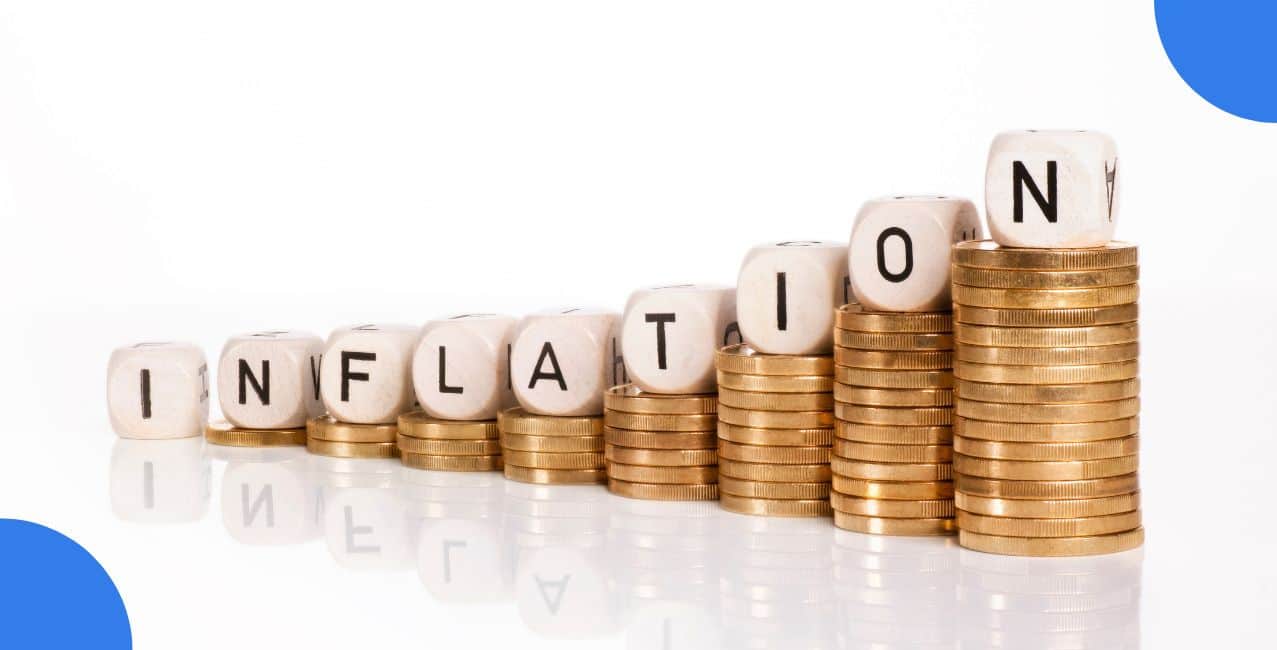
Inflation expectations refer to the rate at which people believe prices of goods and services will increase in the future. These expectations are formed by households, businesses, and investors based on past inflation trends, economic policies, and current market conditions. They often influence spending, pricing, and wage decisions in the economy.
For example, if I notice that grocery prices increased by 6% last year and fuel prices also rose, I may expect prices to rise by around 5-6% next year. So, I might plan my purchases or savings earlier to manage higher costs.
Bonus Tip: India’s RBI survey shows fewer households now expect price increases, indicating easing inflation expectations across food and non-food categories.
Inflation expectations influence many financial decisions in daily life. You can better interpret why prices change, why wages increase, and why central banks adjust interest rates when you understand expected inflation.
Read More - What is Inflation?
Expected inflation influences spending, pricing, wages, and economic policy decisions. This concept helps you see how future price expectations can shape the entire economy.
The economists track different indicators that reflect how people and financial markets expect inflation to change. These measures help policymakers analyse trends and take appropriate monetary policy decisions within inflation expectations in economics.
Inflation expectations develop from several economic signals that people observe in daily life:
*T&C Apply
People often expect future inflation based on previous inflation levels.
These factors show that inflation expectations are shaped by economic policies, past price trends, and global market conditions. These signals help you interpret why people expect prices to rise or stabilise in the future.
Inflation expectations can strongly influence how people spend, save, and set prices. The central banks try to keep these expectations stable and close to their inflation targets because of this influence. This process is known as anchoring inflation expectations.
Also Read - India Rise as Investors Sell Low-Yield
Anchoring means that people and businesses believe inflation will remain stable over time. The economy becomes more predictable and stable when expectations stay close to the central bank’s target inflation rate.
Anchoring inflation expectations helps maintain confidence in the economy. Inflation is easier to control when expectations remain stable and economic planning becomes more predictable for households, businesses, and policymakers.
Inflation expectations influence how you spend, save, and plan for the future. You can better interpret price changes and economic policies when you understand how these expectations work. You must stay aware of inflation trends to help you make smarter financial decisions in everyday life.
1. How do economists measure traders’ inflation expectations?
Traders’ inflation expectations are usually measured through financial market data. Analysts study inflation-linked bonds and compare them with regular government bonds to estimate the inflation rate that investors expect in the future.
2. How long might the current rise in inflation last?
The duration of inflation depends on factors such as supply conditions, global commodity prices, and monetary policy. Central banks try to reduce inflation over time by adjusting interest rates and controlling demand in the economy.
3. Why do people expect wages to increase when inflation rises?
People expect wages to rise during inflation because higher prices reduce purchasing power. Workers often ask for higher salaries so that their income can keep up with rising living costs.
4. What are short-term inflation expectations for the United States?
Short-term inflation expectations in the United States are commonly tracked through consumer surveys and financial market indicators. These expectations change over time depending on economic conditions, energy prices, and monetary policy decisions.
5. How do inflation expectations affect everyday financial decisions?
Inflation expectations influence how people spend, save, and invest. You may buy goods earlier, save differently, or choose investments that protect your money from inflation if you expect prices to rise in the future.