By continuing, you agree to LoansJagat's Credit Report Terms of Use, Terms and Conditions, Privacy Policy, and authorize contact via Call, SMS, Email, or WhatsApp
Disclaimer: The information published on LoansJagat is intended for general informational and educational purposes only and should not be considered financial, legal, or investment advice. Interest rates, loan terms, statistics, and other data may change over time and may vary by lender or source. Please verify the latest information and consult a qualified financial advisor or the respective Bank/NBFC before making any financial decisions.
Subscribe Now
About the author

Darshana Patel
Darshana Patel is a finance and tech writer with a strong background in journalism, financial economics, and political science, working with Loans Jagat. She has immense experience writing content through her previous work in fintech and edtech companies. Her contribution at Loans Jagat is to simplify finance-backed content and academically powered content for the readers.
Related Blog Post
Simplify All Your Loans Into One Affordable EMI

Customers Served

Debt Consolidated

1200+ Reviews

Locations in India
Club all Loans & Credit Card Bills into Single EMI

Quick Apply Loan
Consolidate your debts into one easy EMI.

Takes less than 2 minutes. No paperwork.

10 Lakhs+
Trusted Customers

2000 Cr+
Loans Disbursed

4.7/5
Google Reviews

50+
Banks & NBFCs Offers
Other services mentioned in this article
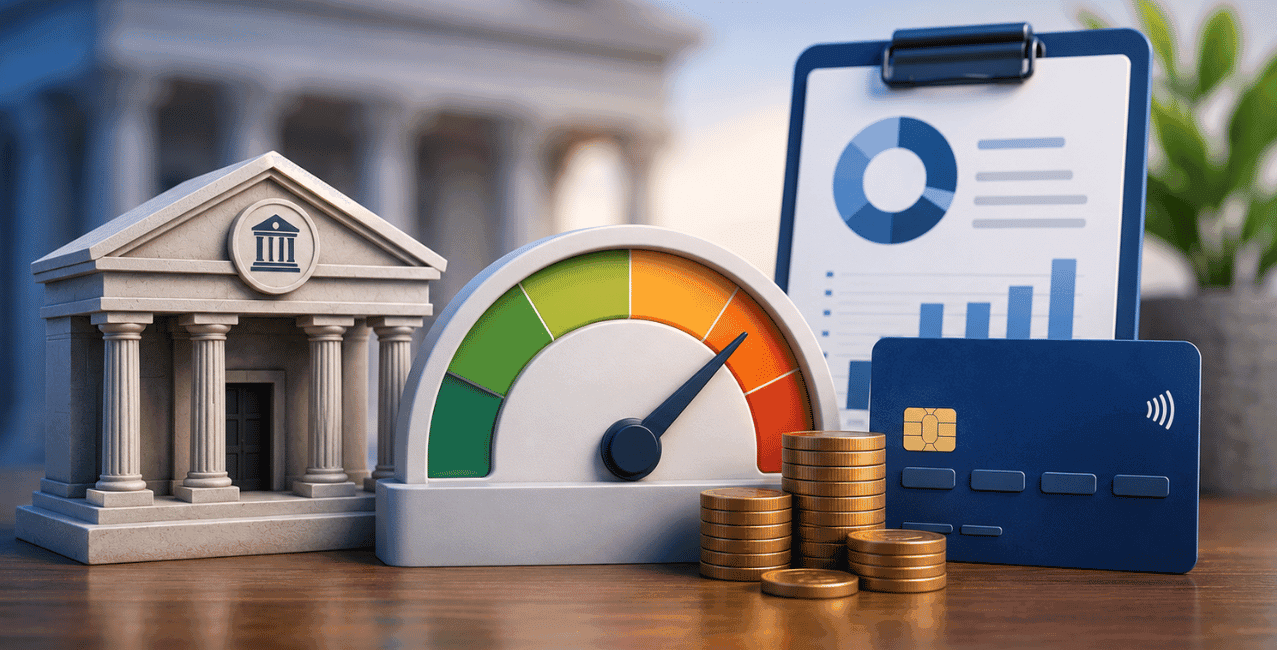
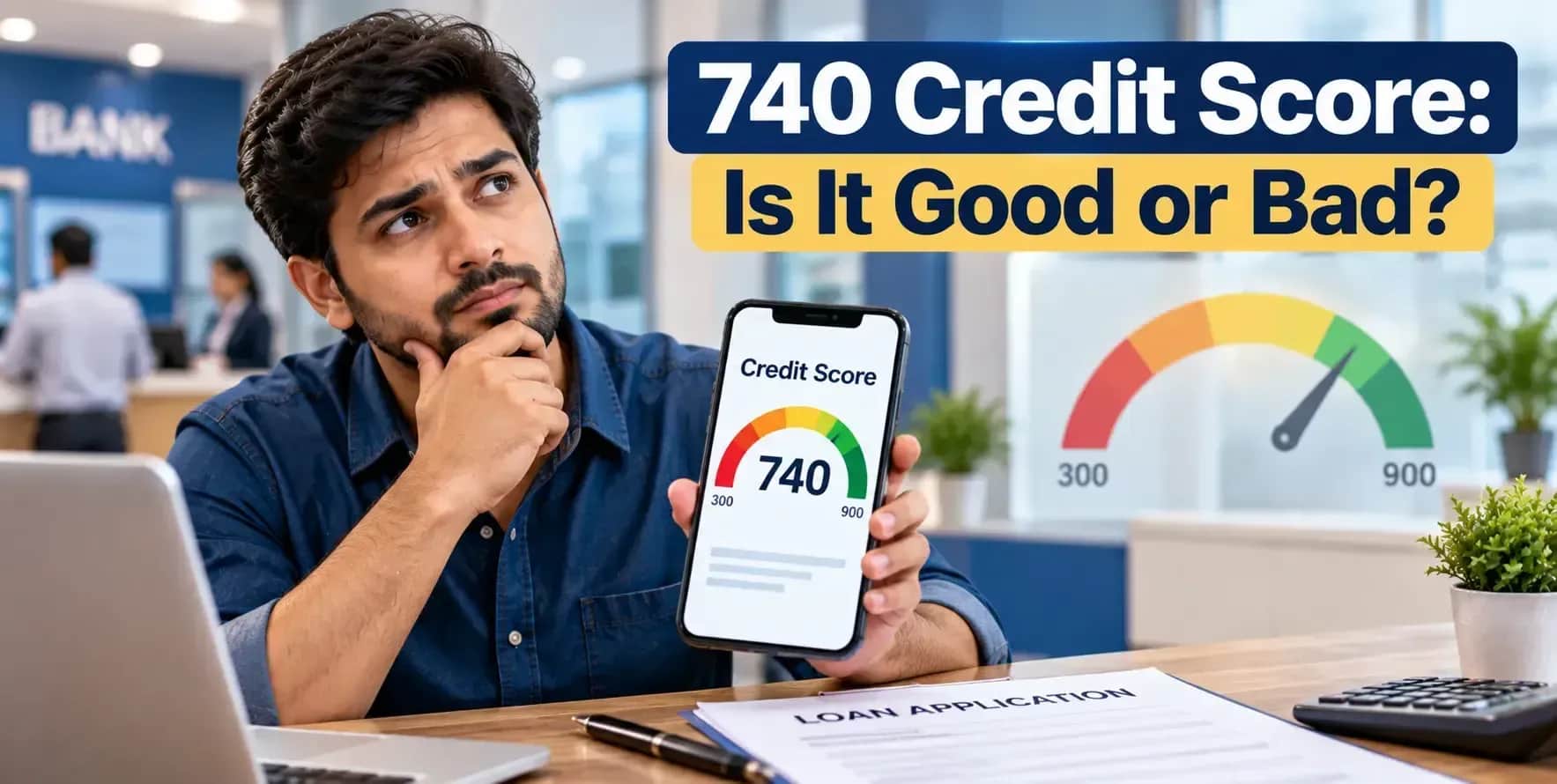
A credit score gives lenders an idea of how you have handled credit in the past. If your score is 740, it is usually viewed as a positive sign when you apply for credit. It suggests that your past borrowing and repayment behaviour may be viewed favourably, although every lender can have its own criteria. Having a score in this range can be useful when you need to borrow money. You could consider options such as a personal loan, home loan, or credit card, depending on your eligibility. Moreover, having a good score does not guarantee that a lender will approve your loan; they can evaluate other factors before making a decision.
Your score is not fixed either. It can move up or down based on how you manage your credit over time. Paying your dues on time and keeping track of your existing credit can help you maintain your credit profile.
Key Takeaways
A very good credit score can be helpful when you need financial services from a bank or lender.
A credit score is not the only factor lenders consider. Your income, existing financial commitments, repayment history, and other details may also affect the terms and services available to you.
A score of 740 is already in a good range. If you want to take it higher, the main thing is to keep your credit record clean and avoid unnecessary borrowing.
Pay the instalments of your loan or credit card on time to not hamper your credit score.
Credit utilisation shows how much of your available credit you are using. Try not to keep your credit card balance too high compared with your total limit.
For example, if your card has a limit of ₹1,00,000, you do not need to use a large part of it every month.
Every time you apply for a loan or credit card, the lender may check your credit report. Too many applications within a short time can affect your credit profile.
It is better to apply only when you actually need a new loan or card.
An old credit card can add to the length of your credit history. If you have one that you have had for a long time and it has been managed well, there may be no need to close it just because you do not use it often.
Your credit profile can include different types of credit, such as personal loans, home loans, and credit cards. Having different types of credit may help your profile, but taking a loan just for this purpose is not a good reason to borrow.
Use the credit you already have and make sure you manage it properly.
Check your credit report from time to time. Look for anything that does not seem right, such as a payment shown as missed or an account that you do not recognise.
If you find an error, raise it with the credit bureau and get it corrected.
Hence, this is how you can improve your credit score.
740 can be considered a good credit score, but relying on this one aspect can be a mistake to consider. Your score is only one part of how lenders assess an application.
A higher credit score can help when you negotiate loan terms, but the interest rate you get can also depend on the lender, loan type, income, and other details. So, thinking a 740 credit score can guaranteed bring your a favourable loan terms can be a mistake.
*T&C Apply
Certain premium credit cards have stricter eligibility requirements. Apart from your credit score, the card issuer may also look at your income, existing credit history, and other details.
So, a 740 score does not automatically make every premium card available to you.
The documents required can vary from one lender to another. For some loans, especially larger ones, the lender may ask for additional income or financial documents before making a decision.
This does not depend on your credit score alone.
Once you have built a good credit score, it is still important to maintain the same habits. Missing payments or suddenly using a large part of your available credit may affect your credit profile.
Keep track of your EMIs, card payments, and credit usage so that you can avoid unnecessary changes to your credit record.
Your credit score is only one part of your overall financial picture. You may need to see other aspects related to your finances, like income and outflow of your money, etc.
Hence, these are the misconceptions people need to consider when looking for a 740 credit score.
A 740 credit score is generally a good sign when you apply for credit. However, your score is only one part of the lender’s decision. Credit scores are volatile, and they may change even with small steps toward your finances. However, one needs to be considerate of maintaining and improving the credit score.
A minor improvement in credit score can be considered a sign of positivity towards your financial management and handling. Hence, this can have a positive impact in lenders’ eyes.
Yes, 800 is an absolutely better credit score than 740 in score-based analysis; it may bring better benefits for a person in banking aspects.
All banks do not have a standard margin to categorise a credit score; this depends on the bank’s policies and rules.
One might need a score of 750 or above to avail personal loan facilities from IDFC First Bank.
The misconception people with a credit score of 740 or more have is that the lender will guarantee to provide favourable loan terms and conditions. But the reality is they will also consider other factors too.
This depends on the lender’s policies for providing you with the loan, but if the income stability is not good, then this can be a problematic consideration, especially for unsecured loans.
You need to pay instalments on time and need to limit your credit card usage to its maximum. These steps can support building a better credit score.
900 is generally considered an excellent credit score by multiple banks in India.
When you consider only credit score, then this depends on banking policies, which vary from one bank to another. Moreover, lenders will also consider several other factors, like credit history, income, employment status, etc.
Not paying your instalments on time can make your credit activity irregular, and this can hurt your credit score.