By continuing, you agree to LoansJagat's Credit Report Terms of Use, Terms and Conditions, Privacy Policy, and authorize contact via Call, SMS, Email, or WhatsApp
The information published on LoansJagat is intended for general informational and educational purposes only and should not be considered financial, legal, or investment advice. Interest rates, loan terms, statistics, and other data may change over time and may vary by lender or source. Please verify the latest information and consult a qualified financial advisor or the respective Bank/NBFC before making any financial decisions.
Subscribe Now
About the author

Anishka Bhadly
Anishka Bhadly is a content writer with a finance and business background. She has completed her bachelor's degree with a specialisation in finance and is currently pursuing an MBA in the finance field too. The knowledge she has gained from her studies and experience working with EdTech companies helped her combine theoretical knowledge with practical industry insight. Her expertise lies in creating well-researched, informative, and reader-friendly content in various banking, personal finance, loans, insurance, and investment-related topics.
Related Blog Post
Simplify All Your Loans Into One Affordable EMI

Customers Served

Debt Consolidated

1200+ Reviews

Locations in India
Club all Loans & Credit Card Bills into Single EMI

Quick Apply Loan
Consolidate your debts into one easy EMI.

Takes less than 2 minutes. No paperwork.

10 Lakhs+
Trusted Customers

2000 Cr+
Loans Disbursed

4.7/5
Google Reviews

50+
Banks & NBFCs Offers
Other services mentioned in this article
A home loan top-up refers to an additional loan that a borrower who has an existing home loan may be able to avail from the same lender, subject to the eligibility criteria and approval of the lender. The additional amount may be sanctioned based on the borrower’s repayment capacity, existing loan obligations, repayment track record, and applicable property-related requirements. Depending on the lender and loan terms, the top-up may have its own repayment structure, interest rate, tenure and charges. The funds may be used for permissible purposes which can vary by lender and the type of top-up facility offered.
Key Takeaways:
A home loan top-up typically refers to an additional amount that a borrower may be eligible to take from his/her existing home loan lender, which may meet his/her requirements for children's education and other permitted purposes. The top-up may be offered at a lower interest rate or a longer repayment tenure than other borrowing options, depending on the lender and the borrower's eligibility. However, the terms, interest rate, processing requirements, and fees may vary between lenders, and therefore, it is important that a borrower compares the different options before taking a top-up.
A cheaper interest rate on a top-up of a home loan can bring down the borrowing cost. Let us look at Anita’s case to understand how opting for a top-up over a personal loan can help.
Anita needed ₹10 lakhs to arrange her daughter’s wedding. She had an option to take a personal loan at 14% or a home loan top-up at 10%. Both the loans had a tenure of 5 years. By comparing the two, Anita realised that she would save on her monthly outflow as well as the overall interest paid if she went with the home loan top-up. In her case, she would be able to save ₹1.19 lakhs in interest if she chose the home loan top-up over a personal loan.
A home loan top-up may prove to be a cheaper alternative to a personal loan if the rate of interest on the former is lower. However, it is important to compare the EMI, total interest payable, and applicable charges for both kinds of loans before finalising the loan option.
A home loan top-up is not approved for every borrower. The lender evaluates your repayment history, income, credit profile and property details before sanctioning an additional loan amount.
A lender considers various factors while determining your eligibility for a home loan top-up. Since eligibility criteria vary from one lender to another, compare the requirements of different banks and housing finance companies.
A home loan top-up can be a good option to get additional funds for your pressing requirements. Borrowers can use home loan top-up funds for various needs, depending on lender terms. They should understand the applicable conditions before deciding how to use the amount.
Some common ways to use a top-up on a home loan are:
Credit score
*T&C Apply
A borrower can think about taking a top-up on their home loan if they have a genuine need for the additional funds. They should calculate the interest they would have to pay on the top-up and evaluate if the need is worth fulfilling using the home loan.
A home loan top-up is an option to borrow additional funds from the same financier, which may reduce hassle, though a separate borrowing arrangement is also an option, but the additional loan will add to your repayments, so you must consider the interest rate, tenure, processing fees, and overall additional interest before considering a top-up. Eligibility, quantum, and terms may vary for different lenders, so compare the overall cost and repayment schedule with your current EMI to see if it is worth it for you.
A home loan top-up is an additional loan amount offered to an existing home loan borrower. It allows a borrower to borrow some additional amount without having a fresh home loan.
An existing home loan borrower may apply for a top-up loan, subject to the lender’s applicable eligibility criteria, assessment, and approval. The eligibility criteria include the repayment history of an existing loan, income, creditworthiness, existing outstanding loan amount, etc.
The eligible loan amount depends on the lender’s guidelines, the property value, the outstanding loan amount, your income, and repayment capacity. The final decision of loan eligibility is given by the lender after considering several factors.
Yes, a home loan top-up is eligible to be used for home renovation, repairs, and other related expenses depending upon the lender’s terms and conditions.
Yes, many lenders provide an option to utilise the top-up amount for children’s education. It is always advised to check the usage terms and conditions mentioned by the lender.
A top-up may offer a lower interest rate than a personal loan, but this is not always the case. Compare the interest rates, charges and total repayment cost before applying for a loan.
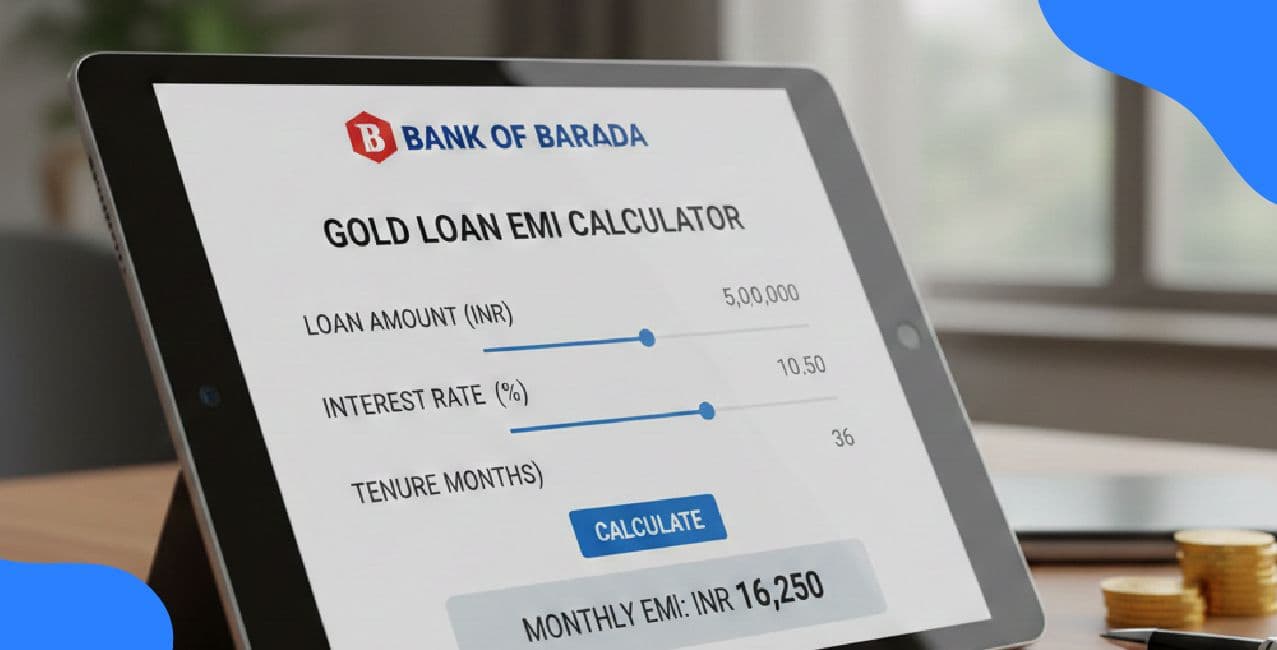
The EMI for the top-up depends on the amount borrowed, the interest rate and the repayment period. The total repayment burden may rise, as you would be repaying an additional amount compared to your existing home loan.
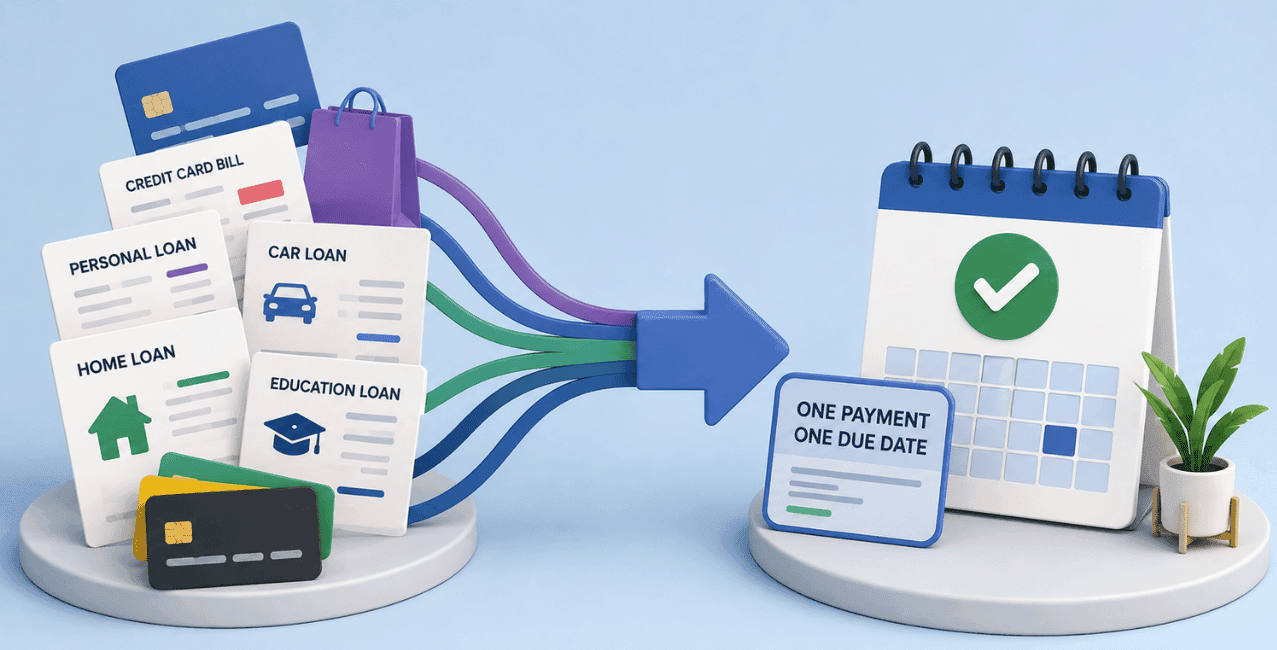
You can use a top-up for debt consolidation if the lender allows it. Before using a top-up for this purpose, ensure that the cost of borrowing is lower than any other outstanding loans.
The value of the property can influence the additional amount a lender may offer, as lenders may consider the property’s assessed value, existing home loan balance, and your repayment capacity when determining top-up eligibility.
A top-up can help if you have a specific need, but you must assess your ability to repay it. Compare the interest rate, tenure, charges, and total repayment cost of a top-up with the existing loan before taking it.