By continuing, you agree to LoansJagat's Credit Report Terms of Use, Terms and Conditions, Privacy Policy, and authorize contact via Call, SMS, Email, or WhatsApp
Disclaimer: The information published on LoansJagat is intended for general informational and educational purposes only and should not be considered financial, legal, or investment advice. Interest rates, loan terms, statistics, and other data may change over time and may vary by lender or source. Please verify the latest information and consult a qualified financial advisor or the respective Bank/NBFC before making any financial decisions.
Subscribe Now
About the author

Vidhi Chauhan
Vidhi Chauhan is a copywriter and content writer with extensive experience creating high-quality, SEO-driven content across multiple industries, with a strong focus on fintech. She has written extensively on GST, banking, personal loans, business loans, credit cards, income tax, insurance, and other financial topics, helping Indian readers understand complex concepts through clear, accurate, and engaging content.
Related Blog Post
Simplify All Your Loans Into One Affordable EMI

Customers Served

Debt Consolidated

1200+ Reviews

Locations in India
Club all Loans & Credit Card Bills into Single EMI

Quick Apply Loan
Consolidate your debts into one easy EMI.

Takes less than 2 minutes. No paperwork.

10 Lakhs+
Trusted Customers

2000 Cr+
Loans Disbursed

4.7/5
Google Reviews

50+
Banks & NBFCs Offers
Other services mentioned in this article
In order to secure the best rate on a used car loan, it is vital to be diligent in researching your options with different lenders and modifying factors that may impact your loan rates. Lenders will evaluate your application based on your credit history, income, existing debts, the amount of your loan, loan terms, the condition, and the age of the vehicle. A competitive rate can reduce borrowing costs, but the total cost may also depend on applicable processing and other charges and the loan tenure. As a consequence, knowing this information allows you to effectively compare loans with each other and choose one that you can afford to repay. The next sections explain how to go about achieving the best rate on your used car loan.
Key Takeaways
When determining interest rates and loan terms, lenders typically evaluate multiple components of a loan application. These components typically involve the following:
For example, IDFC FIRST Bank points out that the interest rate on a used car loan largely depends on factors such as the loan period, the condition and type of vehicle, the customer's credit score, the loan amount, and the debt-to-income ratio.
Ways to Obtain a Lower Rate on a Used Vehicle Loan
Credit history is of paramount importance when seeking a loan. In assessing a borrower's creditworthiness, lenders evaluate their past debt as well as their repayment record.
Before applying for a vehicle loan, ensure that you have gone through the credit report as well as your existing debts. In case of any mistakes in reporting, you may want to correct them.
Having a good credit history can increase the chances of being quoted better rates. But the final percentage will depend on the assessment made by the lender and other factors relevant to a specific loan.
It would be preferable to keep in mind that a credit score is just a factor in the application process and not the only one.
Your down payment is the money you pay out of your pocket towards a car, while the rest of the amount is taken care of through a loan you take out.
For instance, if a second-hand car costs ₹6,00,000 and you make a down payment of ₹1,50,000, you will need ₹4,50,000 in finance, which will depend on what the lender decides your need is based on its analysis.
A bigger down payment means you have to borrow less money. Thus, it can reduce the loan amount and, consequently, the EMI and total interest payable, depending on the loan terms.
A higher upfront contribution may have some impact on the lender’s evaluation of the loan; however, it does not ensure any reduction in rates of interest automatically.
The DTI ratio pertains to your overall monthly debt obligations in relation to your income. This ratio helps the lender understand the percentage of your income being used to pay off your debts.
For example, if you already have debts from several loans and too many credit cards, borrowing more money using an EMI will only add stress to your financial situation.
Another important aspect lenders evaluate while determining your ability to repay the loan is your income.
Regular income indicates to the lenders that you have the resources necessary to repay the borrowed amount. A lender can also consider your profession and the continuity of your business, to some extent, based on the type of job or business you are involved in.
Be prepared to present necessary proof of income (i.e., payslips, bank statements, tax-related documents, or business-related documents) when applying for a loan.
Do not compare used car loans only on the advertised interest rate. Check the complete cost of borrowing before making a decision.
When comparing offers, look at:
*T&C Apply
May increase the overall borrowing cost
A loan with a lower advertised rate may not necessarily have the lowest overall cost once applicable fees and other charges are considered. Therefore, compare the total repayment obligation and applicable charges along with the interest rate.
The tenure of the loan will impact the cost of the used car loan. The longer the tenure, the lower the EMI due to the longer repayment period. However, this can increase the interest costs depending on the rate of interest and loan type.
On the other hand, a shorter tenure might decrease the interest payable in total but will have higher monthly EMIs. Hence, it is advisable to choose a loan tenure based on repayment capacity rather than opting for a shorter tenure just to reduce the interest paid.
For example, IDFC FIRST Bank offers loan periods for used cars up to 84 months.
The condition of the vehicle will likely have an impact on the terms of the car loan. The lenders might take some factors into account that are related to the car while reviewing your loan application.
A newer used car might be assessed differently from an older one because its value and remaining life affect the lender's opinion on the car that will be financed.
Before buying the car, check the registration, insurance, maintenance history, title of the car, and the condition of the vehicle. The inspection will also help prevent excessive borrowing that is necessary to fix the malfunctioning vehicle.
Although it may be attractive to borrow as much money as possible from lenders to reduce your savings, more money means more interest to pay.
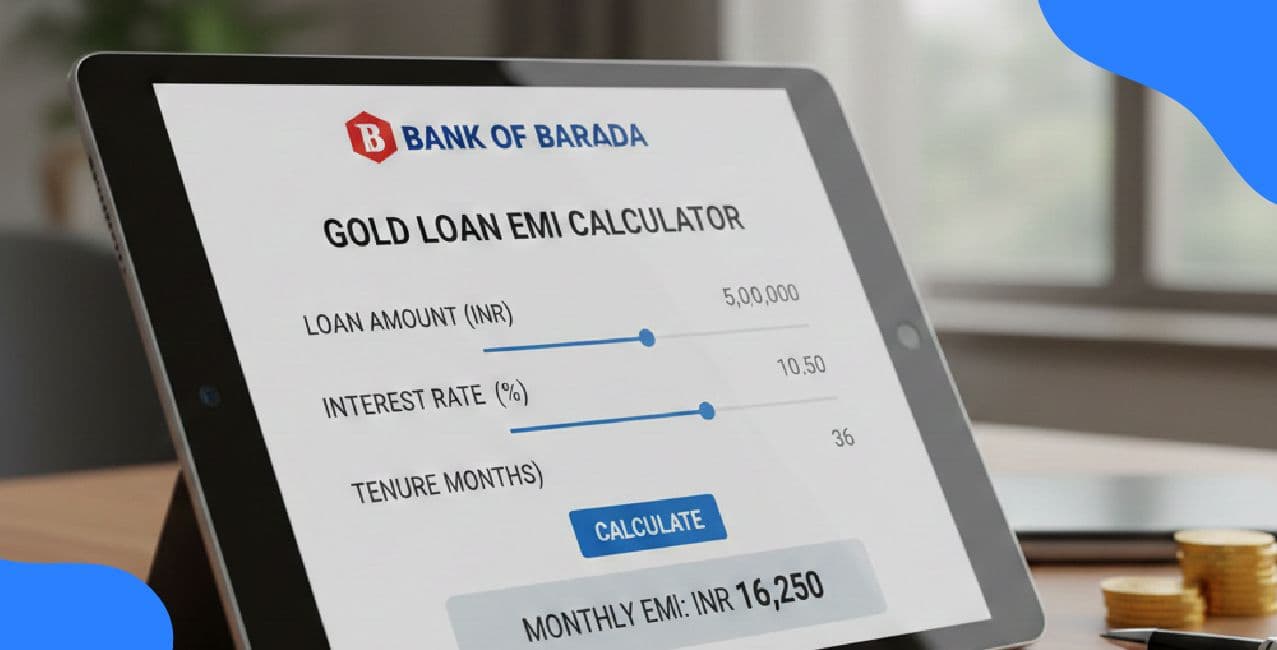
To avoid the wrong decision, determine the maximum amount of down payment you could pay and how much you need to borrow. Additionally, you can find an EMI calculator that will help you select the best loan amount, interest rate, and repayment time that suit your needs.
To receive a lower interest rate on a used car loan, one must be diligent in researching and preparing financially. Simply put, good credit, keeping old debts to a minimum, comparing rates from various lenders, picking a loan term that suits one's needs, and looking at the car's age, condition, loan amount, and costs involved in borrowing are all recommendations worth following.
The answer to this question will depend upon many factors, and some lenders could allow negotiation of the rate based on the entire application as well as past record with the lender. Therefore, it is wise to explore whether any concessions can be made concerning the rate before accepting the offer.
There can be cases of multiple applications resulting in many hard inquiries being recorded on your credit report, so it is useful to have all lenders compared and know their inquiry procedure in advance.
There can be a scenario of transferring the loan balance to another lender if the lender provides such an option and the borrower meets the given conditions for being eligible for a transfer. Make sure to compare the new interest rate, transfer fees, prepayment fees, and remaining time for the loan repayment before making a switch.
The lenders may ask for proof of identity and residence, salary documents, statements from the bank, and car-related papers. The exact types of documents can vary depending on the lender and the borrower’s profile.
In general, a co-applicant can make the application stronger as the lender takes into account the income and financial data of both applicants. This does not guarantee the approval of the loan application or lower rates.
Yes, the lenders may have specific requirements regarding the seller and documents that are needed for the transaction. The requirements may differ for private-party purchases and dealer transactions.
Some lenders can lend money for auto purchases made from private sellers. But lenders may require some supporting documents and confirm the transaction before funding the loan.
Availability of financing may depend on the car's age when being bought, as well as the lender's own policy. Older vehicles may be subject to specific conditions for qualification. Therefore, lenders' policy regarding the age of vehicles should be checked prior to the purchase to avoid complications.
It does not mean that you cannot apply for financing from other sources in case of rejection. Go through the lender's requirements, identify the stumbling blocks in your application, and don't make repeated applications without knowing the reason for refusal.
It's the lender's loan structure and permitted purposes of the loan that will determine whether or not to include other expenses such as insurance, registration, or repairs in the financing amount. You need to check if those costs are eligible instead of assuming that they will be automatically included in the financing amount.