By continuing, you agree to LoansJagat's Credit Report Terms of Use, Terms and Conditions, Privacy Policy, and authorize contact via Call, SMS, Email, or WhatsApp
Disclaimer: The information published on LoansJagat is intended for general informational and educational purposes only and should not be considered financial, legal, or investment advice. Interest rates, loan terms, statistics, and other data may change over time and may vary by lender or source. Please verify the latest information and consult a qualified financial advisor or the respective Bank/NBFC before making any financial decisions.
Apply for Loans Fast and Hassle-Free
Subscribe Now
About the author

LoansJagat Team
‘Simplify Finance for Everyone.’ This is the common goal of our team, as we try to explain any topic with relatable examples. From personal to business finance, managing EMIs to becoming debt-free, we do extensive research on each and every parameter, so you don’t have to. Scroll up and have a look at what 15+ years of experience in the BFSI sector looks like.
Related Blog Post
Simplify All Your Loans Into One Affordable EMI

Customers Served

Debt Consolidated

1200+ Reviews

Locations in India
Club all Loans & Credit Card Bills into Single EMI

Quick Apply Loan
Consolidate your debts into one easy EMI.

Takes less than 2 minutes. No paperwork.

10 Lakhs+
Trusted Customers

2000 Cr+
Loans Disbursed

4.7/5
Google Reviews

50+
Banks & NBFCs Offers
Other services mentioned in this article
Key Takeaways
Bonus Point: Circuit breakers were introduced after Black Monday, when markets crashed over 22 per cent in one day. This event pushed regulators to create automatic trading halts to prevent extreme market chaos in future.
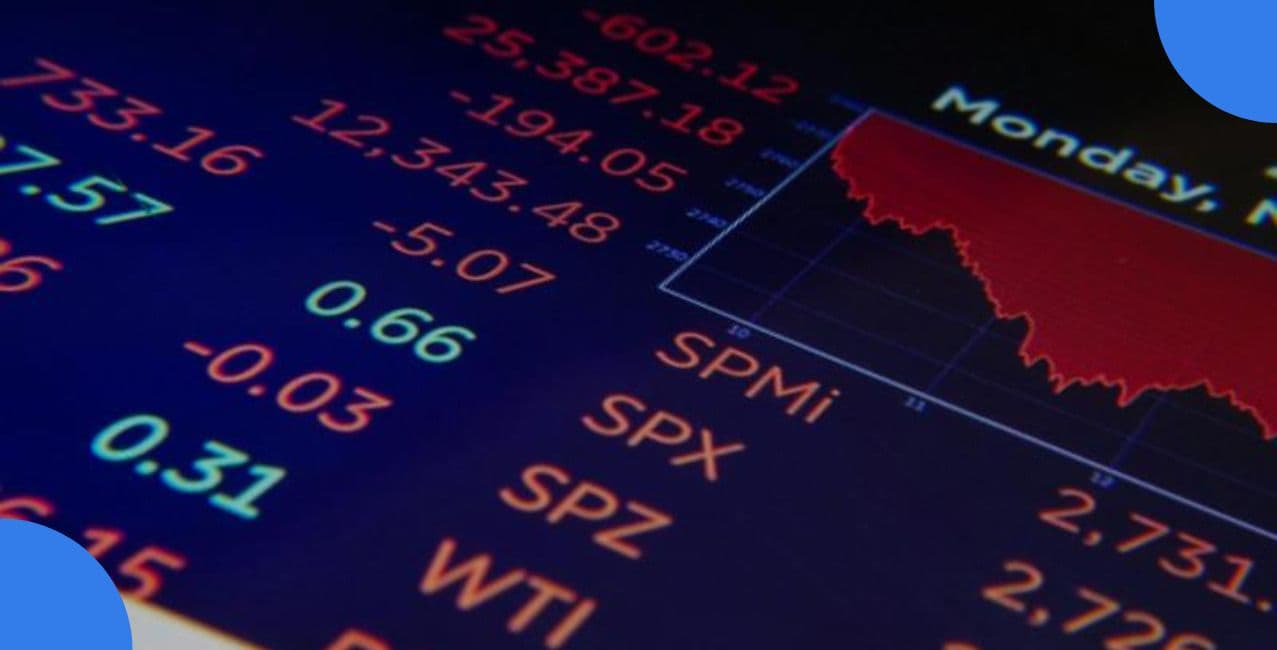
Imagine the stock market as a rollercoaster; sometimes prices soar or plummet too fast. Circuit breakers act like safety brakes, pausing trading to prevent chaos and give investors a chance to think before the ride continues.
A circuit breaker is like an emergency stop button for the stock market. When prices swing wildly, it temporarily halts trading. This pause helps calm panic, prevent extreme losses, and lets investors make smarter decisions.
In the U.S., if the S&P 500 drops 7%, trading pauses for 15 minutes. Similarly, in India, a 10% drop in the Nifty triggers a temporary halt, protecting investors from panic selling.
Circuit breakers are rules that temporarily stop trading on stock markets to prevent panic selling. In the U.S., trading pauses if the S&P 500 Index falls by 7%, 13%, or 20%. When triggered, the halt applies to all stocks, even those that were rising or not changing much, giving investors time to calm down before trading resumes.
Circuit breakers in finance are automatic trading halts set by stock exchanges to prevent panic selling and extreme price swings. They help maintain market stability by giving investors time to make informed decisions during sharp market movements.
These measures ensure orderly markets and reduce excessive panic or speculation.
Circuit breakers are automatic regulatory tools that temporarily pause trading on stock exchanges to prevent panic selling and extreme market volatility. They give investors time to reassess and help stabilise markets.
How Circuit Breakers Work:
Level 3 (20%): trading stops for the day
*T&C Apply
Circuit breakers are vital for maintaining market stability during periods of high stress and volatility.
A circuit breaker in the stock market is an automatic pause in trading triggered when stock prices or market indices move sharply up or down. It helps prevent panic selling and excessive speculation, and keeps markets orderly.
Circuit breakers are mechanisms that temporarily pause trading to prevent extreme market volatility and protect investors from panic-driven decisions.
These measures ensure orderly trading, giving the market and investors time to stabilise before activity resumes.
Key Points:
Circuit breakers serve several important functions in maintaining market stability during periods of extreme price movement.
They help create a calmer, more orderly trading environment, protecting both investors and the market from sudden shocks.
When markets start to panic and prices swing wildly, circuit breakers step in like a calm voice saying, ‘pause.’ They give investors time to think, not react. They cannot stop every loss, but they help prevent chaos and restore investor confidence. They keep the market running smoothly and avoid it spiralling out of control.
Q1: Why are circuit breakers important in stock markets?
They help stabilise markets, prevent sudden crashes, and give investors time to make informed decisions.
Q2: When were stock market circuit breakers first used?
Humans first used them in 1873, closing the NYSE for ten days after Jay Cooke & Company collapsed.
Q3: Why do stock exchanges have circuit breakers?
To prevent rapid market crashes, especially from fast computer trading, and keep markets stable with minimal human intervention.
Q4: Why do stocks resume trading after hitting the upper circuit?
Trading resumes once the stock price moves within its allowed range, as upper circuits only temporarily pause extreme price rises.
Q5: Should investors buy when a stock hits a circuit breaker?
It depends on individual strategy; circuit breakers signal extreme price moves, so caution and long-term planning are advised before buying.