Check AI Loan Optimisation Plans to Reduce Your EMI

Disclaimer: The information published on LoansJagat is intended for general informational and educational purposes only and should not be considered financial, legal, or investment advice. Interest rates, loan terms, statistics, and other data may change over time and may vary by lender or source. Please verify the latest information and consult a qualified financial advisor or the respective Bank/NBFC before making any financial decisions.
Subscribe Now
About the author

Anishka Bhadly is a content writer with a finance and business background. She has completed her bachelor's degree with a specialisation in finance and is currently pursuing an MBA in the finance field too. The knowledge she has gained from her studies and experience working with EdTech companies helped her combine theoretical knowledge with practical industry insight. Her expertise lies in creating well-researched, informative, and reader-friendly content in various banking, personal finance, loans, insurance, and investment-related topics.
Related Blog Post
Simplify All Your Loans Into One Affordable EMI

Customers Served

Debt Consolidated

1200+ Reviews

Locations in India
Club all Loans & Credit Card Bills into Single EMI

Quick Apply Loan
Consolidate your debts into one easy EMI.

Takes less than 2 minutes. No paperwork.

10 Lakhs+
Trusted Customers

2000 Cr+
Loans Disbursed

4.7/5
Google Reviews

50+
Banks & NBFCs Offers
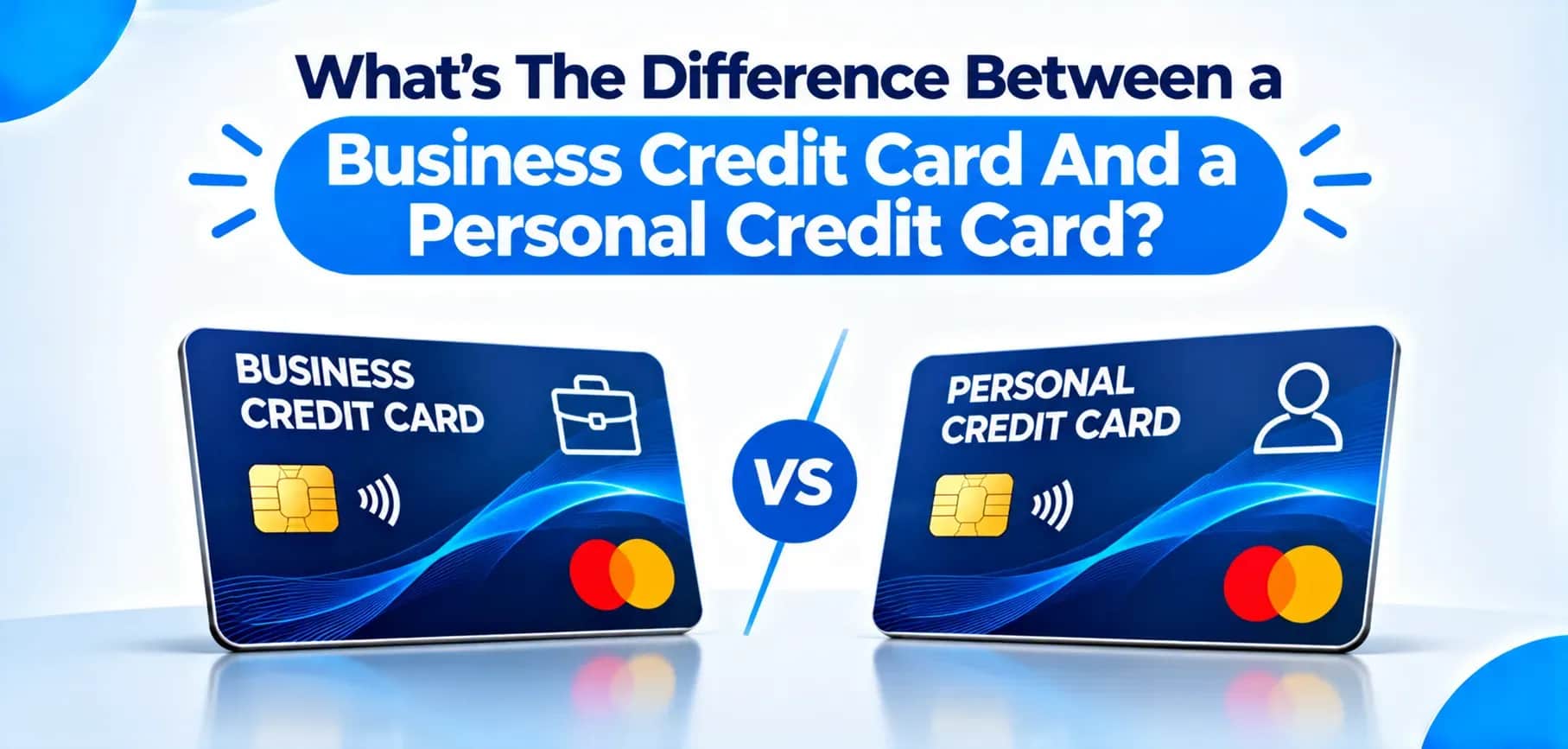
A business credit card is intended to be used for business expenses, whereas a personal credit card is intended to be used for personal expenses. The major differences between the two lie in their methods of use, expense tracking and reward programmes. Business cards usually provide options for employee cards and expense management, which personal cards do not have. The differences between a business and personal credit card are important in determining which one to apply for.
Key Takeaways:
Business credit cards and personal credit cards differ in their purpose, rewards, liability, and expense management. Compare these differences before applying for either type of card. This credit card comparison will help clarify the differences between the two types of cards.

A business card should be selected to separate company expenses and control employee's spending, while a personal card is better for making everyday purchases and tracking personal expenses. It is vital to compare the credit card's fees, rewards, and repayment rules before applying.
Business and personal credit cards can provide different benefits depending on spending patterns. By comparing the benefits and drawbacks of both cards, it will be possible to determine which one is more beneficial.
Business credit cards can assist with tracking business expenses and provide certain rewards. However, there are some challenges in repaying debts and other factors that company owners should consider.
Business credit cards can be beneficial and convenient, but there are some important factors to consider when selecting a card.
Personal credit cards are designed to address day-to-day expenditures and reward customers for their loyalty. However, it may not be the best option for segregating business expenses and regulating company spending.
A personal credit card is best suited for individuals who wish to keep their expenses and rewards personal. A personal credit card can be used for business expenses, but keeping business and personal transactions separate may make expense tracking and accounting easier.
Depending on the owner’s activity, the business card and the personal card may be more advantageous. To do so, it will be essential to analyse the rewards, costs, liability, and credit reporting features and compare them to each other.

The credit card selection depends on spending patterns, financial objectives, and payment obligations. It is essential to analyse personal requirements and choose the product that offers the required functionality.
Pick a Business Credit Card If You:
Pick a Personal Credit Card If You:
A business card should be used for work-related expenses and employee expenses. A personal card is more appropriate for day-to-day expenses. Compare the terms and conditions of the two credit card types before submitting an application request.
LoansJagat enables customers to compare personal and business loans from various banks and NBFCs. This platform assists customers intending to avail of personal or business loans to compare the best-suited options available in the market. Additionally, it helps customers consolidate multiple loans and credit card dues into a single EMI (Equated Monthly Instalment) by offering eligible loan options. The aforesaid services enable customers to compare and switch their loans per their requirements.
The choice would depend on which card you intend to use. Your personal card can be used for daily expenses, whereas your business card could track your operating expenses, helping you stay organised. You must also consider the fees, rewards, liability, and reporting policy before applying. The choice depends on how you plan to use the card. A personal credit card is suitable for everyday expenses, while a business credit card helps manage and track business-related spending separately. Before applying, compare the annual fees, reward benefits, liability terms and reporting features to choose a card that matches your spending needs.
A business credit card is for company expenses, whereas personal credit cards are for non-business expenses, for instance, shopping, bills, or leisure.
It should be possible to use personal credit cards for business expenses depending on the terms and conditions of the personal card. However, it is advisable to keep personal and business expenses separated for easier accounting.
Business credit cards may come with higher limits depending on the company’s status. Nonetheless, the credit limit offered will be dependent on the approval criteria, eligibility, and financials.
It is likely to affect a personal rating depending on the terms of the credit card issuer. Other factors include whether the applicant had provided a personal guarantee or not and the reporting practices of the business credit card issuer.
A business credit card would be more appropriate for paying company employee expenses. It is because most business credit card companies offer employee cards, set limits and provide expense reports to assist with tracking company expenses.
Personal cards can sometimes be simpler to apply for. Business cards may require documentation of your company's financial records and information, depending on the credit card company and your personal information.
Business credit cards may reward travel, advertising, and office expenses, while personal cards may reward shopping, eating out, and other purchases. Rewards would depend on the credit card chosen.
This depends on your credit card and whether you signed a business agreement when applying for the credit card. If you signed a personal guarantee, you may be liable for any balance due on the business credit card.
Depending on the credit card company, a business credit card can report your business credit card payments to business credit agencies. You may want to call the credit card company and ask if they report to business credit agencies before applying.
You should compare which credit card will reward your business the most based on your business's typical expenses, the liability of the credit card, and the credit reporting options. You may also want to compare the annual cost of the credit card, rewards on the credit card, and repayment options.
Start your journey today
Apply Now*T&C apply