_in_CIBIL_Report.png&w=3840&q=65)
By continuing, you agree to LoansJagat's Credit Report Terms of Use, Terms and Conditions, Privacy Policy, and authorize contact via Call, SMS, Email, or WhatsApp
The information published on LoansJagat is intended for general informational and educational purposes only and should not be considered financial, legal, or investment advice. Interest rates, loan terms, statistics, and other data may change over time and may vary by lender or source. Please verify the latest information and consult a qualified financial advisor or the respective Bank/NBFC before making any financial decisions.
Subscribe Now
About the author

Diwaker Sharma is a finance content specialist with expertise in banking, personal finance, credit cards, loans, fintech, and financial news. An MBA in Finance with prior experience in the banking sector, he combines industry knowledge with SEO and content strategy to produce insightful, research-backed articles. Passionate about making finance accessible, he transforms complex financial concepts into clear, engaging content that empowers readers to make smarter financial decisions with confidence.
Related Blog Post
Simplify All Your Loans Into One Affordable EMI

Customers Served

Debt Consolidated

1200+ Reviews

Locations in India
Club all Loans & Credit Card Bills into Single EMI

Quick Apply Loan
Consolidate your debts into one easy EMI.

Takes less than 2 minutes. No paperwork.

10 Lakhs+
Trusted Customers

2000 Cr+
Loans Disbursed

4.7/5
Google Reviews

50+
Banks & NBFCs Offers
Your credit report is like a full history of the way you handle money you borrow. Lenders always look through it when they decide whether to give you a loan or a credit card. One very important thing they check in this report is called Days Past Due (DPD).
DPD tells whether you made your EMI payments or credit card payments right on time. If you did not, it shows the exact days you were late. Small delays also get recorded in it. If you understand DPD, you can protect your credit score better and get approved for new credit more easily in the future. This blog tells you everything about DPD.
Days Past Due, or DPD, means the actual number of days your payment has stayed unpaid after the date it was supposed to be paid.
Suppose your EMI or credit card bill must be paid on the 5th of the month. You pay it on the 5th or earlier. Then your DPD is zero. But if you pay it on the 17th, then the DPD for that month shows 12 days. The report puts down the actual days late at the time they collect the information. If you still do not pay the money, the DPD number grows higher every single day until the payment reaches them.
From January 2025, RBI asks lenders to send credit information (including DPD) to the credit bureau every fortnight (twice a month). The report has month-by-month details of your payment record for every loan and credit card for the past 36 months. DPD gives a clear idea about how responsible you are when it comes to money matters.
In the credit report, DPD comes in the payment history section for each account you have. It appears as codes covering the last 36 months.
Here is what the common codes mean:
The report shows one code for each month. Having many 000s in a row is the best thing possible. 000 or XXX means no delay was reported. Codes like 030, 060, 090 show actual days late. Codes like STD, SMA, SUB, DBT and LSS show the overall status of the account.
Payment history plays a big role in fixing your credit score. Late payments are the biggest reason credit scores fall so clear dues quickly.
When you have 000 every month, it helps your score stay strong. One or two cases of a 30-day delay can pull the score lower. If you have delays of 60 or 90 days, the drop becomes bigger. Lots of high DPD numbers make lenders think you are risky, and this can bring your score down a lot.
The longer the delays go on and the more times they happen, the more damage it does. After the score falls, you have to make on-time payments for many months to improve it again.
Several normal things cause high DPD:
Most of these can be fixed with better plans and regular checks.
Missing an EMI starts a set of problems.
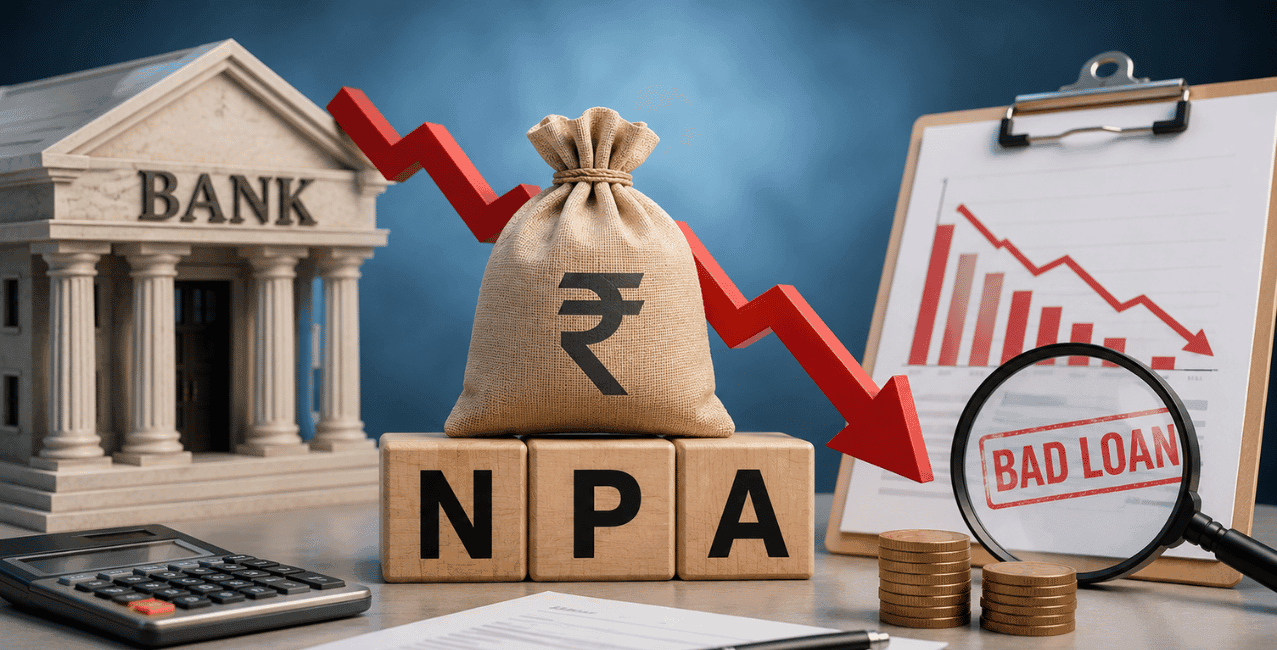
First, the lender may add a late fee and extra interest. Next month, if you still have not paid, the DPD number keeps growing. After 90 days, the account often moves to the sub-standard group under rules and gets treated as a non-performing asset. Lenders may begin calling or sending notices to recover money.
At the same time, the credit report gets updated. Future lenders see the delays and become careful. Interest rates on new loans may go higher, or they may say no to the application. If you keep not paying, the account can get marked as doubtful or loss, which is much worse.
When you ask for a new loan or credit card, lenders study the DPD history for every old account.
A report full of 000s makes approval easier and may get you better interest rates. Even a few 30-day delays can make them ask questions. Many 60-day or 90-day entries often lead to rejection or approval only with higher costs. Lenders like people who show steady good habits over the full 36-month period shown in the report.
*T&C Apply
The payment history part shows the last 36 months of data. Every month they add a new entry and drop the oldest one.
CIBIL shows the last 36 months of payment history. A genuine DPD stays in that window until the 36 months pass. You cannot remove it early. Only wrong entries can be fixed through a dispute. The full credit data may be kept longer by the bureau under rules. Only time and new clean payments make the picture better.
You can get your full credit report online through the official way. Free full reports come from time to time and you can check more often if you need to. You can visit the official CIBIL website, log in to your account, open the detailed report and go to the accounts or payment history part.
Look at each loan and credit card one by one. You will see a line of monthly codes for the last 36 months. Check for any number other than 000 or XXX. Note the months with delays and the biggest DPD number. Checking the report often helps you find mistakes fast and see your progress.
Old DPD entries cannot be wiped out. The only way to get better is to make a strong new record.
Pay every EMI and credit card bill on or before the due date right from now. Clear any late amounts as fast as you can. Once the dues are cleared the next month’s entry often changes to 000, but the earlier delay stays in the history. Keep using credit in a good way so new months show only 000. With time, the old high DPD months will leave the 36-month window.
If you see a wrong DPD entry, raise a dispute with the credit bureau by giving clear proof of payment. The bureau will check the details with the lender and fix the record if the mistake is real.
Here are some tips to avoid DPD in the future:
These easy habits keep your DPD at zero and guard your credit health.
DPD measures the exact number of days a payment is late. It starts from the first day after the due date and keeps growing.
A loan default is a bigger problem stage. As per rules, accounts late by 90 days or more usually get called non-performing assets and marked as sub-standard (SUB). At that point, the account status can change more if the delay goes on.
In short, every default starts with growing DPD, but not every DPD turns into a default. Keeping DPD low stops the account from ever becoming a default.
Days Past Due is a clear sign of how well you pay back money. A clean DPD record with zeros builds trust with lenders and keeps your credit score good. Delays, even small ones leave a mark that stays for up to three years.
The good part is you decide your future DPD. Pay on time, stay ready and check your report often. Steady good work will slowly move old delays out of view and bring better credit chances. Start today and keep your payment history clean.
It means your payment is late by exactly 30 days on that account for the month.
Contact your lender right away and pay the full overdue amount to update records.
You cannot remove old arrears. Pay dues on time so they drop off after 36 months.
A 60 day late payment hurts your credit score badly and worries lenders a lot.
Late payments damage credit scores the most because they show poor repayment habits.
DPD in CIBIL report shows the exact number of days payments stayed late.
Genuine DPD cannot be removed early. It stays in the 36-month payment history window. Only wrong entries can be corrected by raising a dispute.
No. One 30-day delay drops it some. Many late months hurt much more.
Yes. You get free full CIBIL reports a few times a year on the official site.
Raise a dispute on the CIBIL site with proof. They check and fix it if true.