By continuing, you agree to LoansJagat's Credit Report Terms of Use, Terms and Conditions, Privacy Policy, and authorize contact via Call, SMS, Email, or WhatsApp
Disclaimer: The information published on LoansJagat is intended for general informational and educational purposes only and should not be considered financial, legal, or investment advice. Interest rates, loan terms, statistics, and other data may change over time and may vary by lender or source. Please verify the latest information and consult a qualified financial advisor or the respective Bank/NBFC before making any financial decisions.
Subscribe Now
About the author

Vidhi Chauhan is a copywriter and content writer with extensive experience creating high-quality, SEO-driven content across multiple industries, with a strong focus on fintech. She has written extensively on GST, banking, personal loans, business loans, credit cards, income tax, insurance, and other financial topics, helping Indian readers understand complex concepts through clear, accurate, and engaging content.
Related Blog Post
Simplify All Your Loans Into One Affordable EMI

Customers Served

Debt Consolidated

1200+ Reviews

Locations in India
Club all Loans & Credit Card Bills into Single EMI

Quick Apply Loan
Consolidate your debts into one easy EMI.

Takes less than 2 minutes. No paperwork.

10 Lakhs+
Trusted Customers

2000 Cr+
Loans Disbursed

4.7/5
Google Reviews

50+
Banks & NBFCs Offers
Yes, it is possible for you to get your credit score up to 750 by adopting a disciplined approach towards borrowing and repayments. A 750 credit score can be considered a good one and will certainly make your credit profile stronger while borrowing or getting credit cards. These are some of the most essential factors that can influence your credit score positively and help you understand what might be going wrong with your credit score. There is no shortcut to 750, but with disciplined efforts, you can get closer to your target. Now, let us take a look at the essential steps that can lead you to your goal of 750.
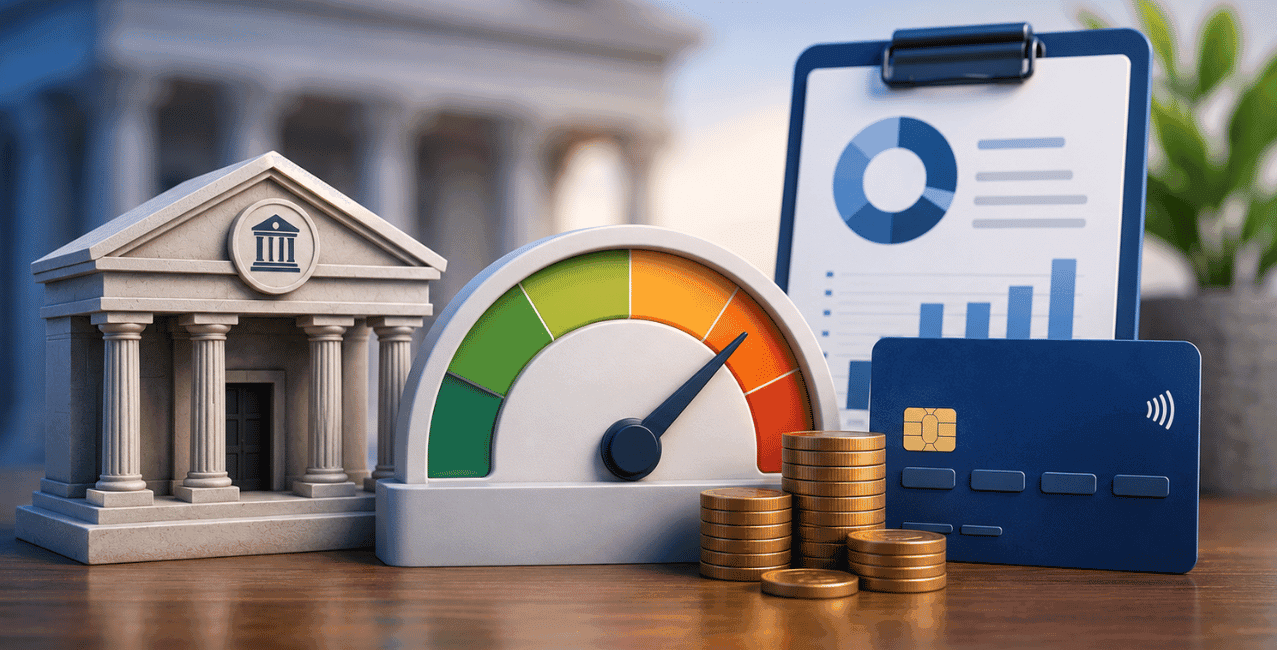
A credit score is a three-digit number that summarises your creditworthiness based on your borrowing and repayment patterns. The credit score is generated by credit bureaus on the basis of the information shared by various banks and NBFCs.
Information present in a credit report may include the following:
Scores of CIBIL range between 300 and 900, and the higher the score, the better the credit profile. CIBIL says that credit history and credit behavior are some of the important factors considered in evaluating creditworthiness.
Yes, a credit score of 750 is an excellent score.
This shows that you generally have handled credit in an excellent manner, and your repayment history is fairly healthy. CIBIL says that a large number of loans are given to people having a score higher than 750, but just because of the high credit score doesn’t mean that your loan will automatically get approved. There could be other factors as well, such as your income, liabilities, profile, etc.
Your payment history is one of the top factors influencing your credit score.
In case of a missed EMI payment or delayed credit card payment, the financial institution might report the late payment to the credit bureau. Repeated instances of delay in payment might have a negative impact on your credit profile.
To strive for a 750 credit score, make timely payments of:
You may set reminders for yourself to avoid any unintentional late payment.
For example, if your credit card bill is due on the 10th of every month, a last-minute payment may make you more prone to forgetting about the payment and/or facing any difficulties in making the payment. Making payments in advance will help you keep up a timely repayment track record.
As per CIBIL, timely payment of dues is suggested since late payments create a bad impression for the financial organisations.
Credit utilisation is the percentage of your total credit limit that is currently being used.
Example:
Total credit card limit: ₹1,00,000
Credit card balance: ₹20,000
₹20,000 ÷ ₹1,00,000 × 100 = 20%
A lower utilisation ratio usually means that you don't rely on your credit limit heavily.
According to many finance professionals, it is wise to keep credit utilisation at 30% or lower, if it is possible. But it doesn't mean that you will get any particular number of points for this. It is important to note that the credit score takes into account several factors.
Even if your credit card limit is ₹50,000 and you utilise ₹45,000 regularly, your credit utilisation will remain high even if you pay the bill on time.
When you apply for a loan or credit card, the bank or any lending institution will pull your credit history report.
Your applications for loans or credit cards within a short period might suggest that you are trying to take additional credit. This might cause hesitation on the part of the lender regarding your future liabilities.
Within a few weeks might result in credit inquiries. It would be wise to do some comparative study before making hasty decisions.
While applying for a loan, consider:
*T&C Apply
Credit applications should be limited.
Your credit report might comprise various forms of credit.
Credit, in general, can be categorised as:
Secured Credits
Secured credit includes an asset as collateral behind it. They are:
Unsecured Credits
Unsecured credits do not require any form of collateral, these include:
Proper combination of both secured and unsecured credits might help your credit profile. This doesn’t mean that you need to take more loans unnecessarily in order to improve your credit score.
Borrowing just for the sake of having a proper combination of credits will only add to your debt load.
A better strategy would be to manage the credits that you require properly. CIBIL suggests that a good proportion of both secured and unsecured loans can help your cause, whereas excessive reliance on unsecured loans can be a negative factor.
Your credit profile can also be affected by the length of your credit history.
Old accounts give you a longer credit history, which means that closing an old account without thinking twice about it could shorten it.
For instance, let's assume that you have two credit cards with limits of
In such a case, your available credit would be ₹1,50,000. But, if you choose to close Card B, your available credit would be ₹1,00,000.
Prior to terminating an existing credit account, one should take into consideration the following:
Maintaining an account does not imply that you should overspend.
It’s not about discovering a shortcut to getting a 750 credit score in India; it’s more about creating the right discipline in managing your finances.
Pay your EMIs and credit card debts on time, make sure that your credit utilisation is fine, try not to apply for too many credit cards, and create a good credit mix based on your needs. Checking your credit report might be useful for you.
To get a 750 credit score, you will need some time, especially if you need to correct your past mistakes. But each month, when you pay your debt on time improves your credit score. Just use the right way: borrow money and pay it back on time with enough time passing.
It all depends on the existing credit score, history of repayment, amount of debt, and your credit profile as a whole. If you have a poor credit score due to your young age and insufficient credit history, it will take some time for you to build up a good reputation.
Checking your credit score will not influence your score because checking your credit score is the activity of monitoring your profile and credit activity.
Errors such as inaccurate overdue payments or an account that is not yours will definitely affect your credit score. Checking your profile and disputing the errors will lead to their investigation and deletion.
Settlement of a loan refers to the situation where the creditor accepts an amount that is less than the full amount of the loan, whereas closing of a loan refers to the payment of the full amount of the outstanding balance. The report of the account in your credit history will affect the analysis of your ability to repay by future creditors.
It is possible to achieve such a high score without many credit cards because it is more important to manage effectively the credit facilities that you need than having a large number of them.
Yes, being a guarantor creates financial responsibility because you could be required to repay the loan if the primary debtor fails to repay.
A change of jobs would not impact the credit score negatively since there is a distinction between the two. A period wherein an individual faces a situation of earning a low income or even a situation wherein the income stream gets disrupted will make it more difficult for them to pay off the EMIs and debts.
No, having a high credit score would not mean that all the lenders will give a lower interest rate. Other factors are considered by the lenders as well, such as income, liability, employment, etc.
Since there are various factors influencing credit scores, there could be delays in seeing improvements in your credit score due to when the lenders send their reports to the credit bureaus. You need to continue behaving responsibly and look out for any errors or old information in your report.
If you are inactive in terms of your credit behavior, then there could be difficulty in assessing your current behavior since lenders would find it hard to gauge your borrowing habits. However, this does not mean that you take unnecessary loans just for the sake of it.