By continuing, you agree to LoansJagat's Credit Report Terms of Use, Terms and Conditions, Privacy Policy, and authorize contact via Call, SMS, Email, or WhatsApp
Disclaimer: The information published on LoansJagat is intended for general informational and educational purposes only and should not be considered financial, legal, or investment advice. Interest rates, loan terms, statistics, and other data may change over time and may vary by lender or source. Please verify the latest information and consult a qualified financial advisor or the respective Bank/NBFC before making any financial decisions.
Subscribe Now
Taking out a loan is a common way to cover big expenses. But when someone stops paying for a while, the bank might call their balance a "written-off loan". Most people hear this and assume their money troubles are over because the debt has vanished. That is a huge myth, so learning how this process actually works is vital for your financial health.
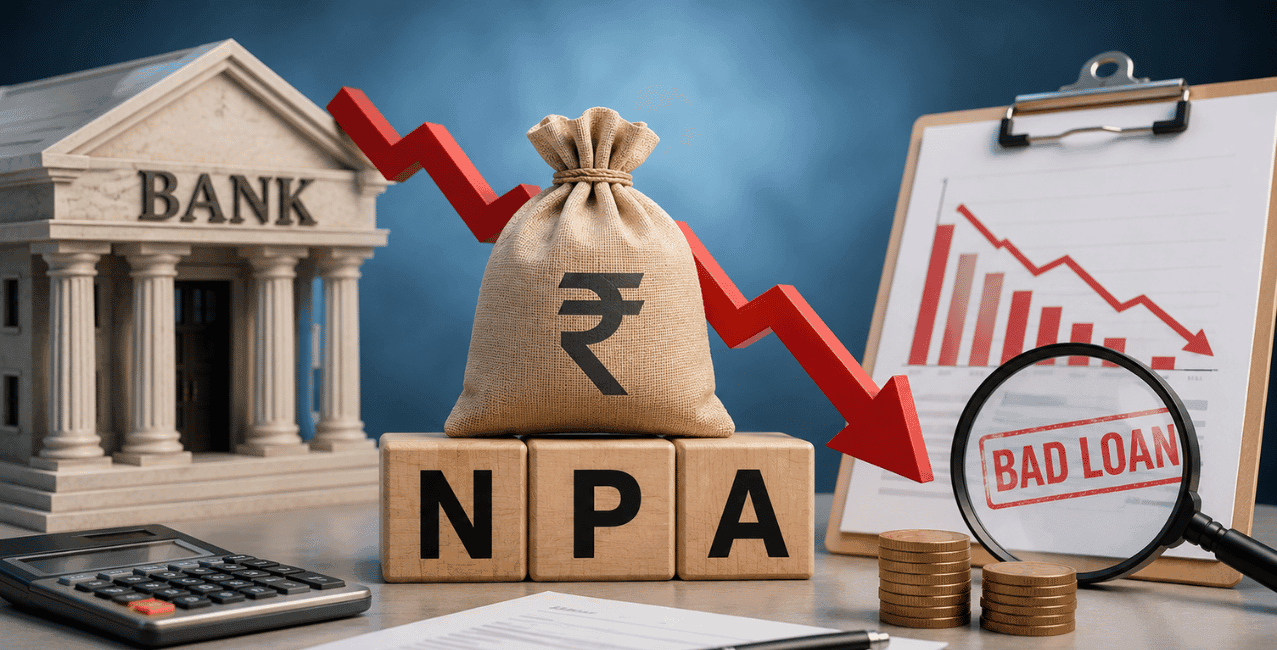
When a bank decides you are probably never going to pay them back, they do a loan write-off. They take your account out of their active files and log it as a business loss. However, this does not mean you are free from your debt. The original bank or a debt collector will keep chasing you for the money. For the lender, this is simply a paperwork fix and definitely not a gift to you.
Finally, the bank might sell your file to a collection agency or an Asset Reconstruction Company that will take over the job of getting the cash from you.
The bank workers can stop wasting time on bad accounts and focus on people who are actually paying.
No, it absolutely does not mean your debt is erased. You are still fully legally required to pay back every amount. The bank or a hired agency will continue calling and sending notices to collect the cash. Changing the status of your loan is just a way for the bank to show the loss on their own records. Your duty to return the money never changes. Plus, this event stays on your credit report for up to seven years and destroys your credit score. Hiding from the problem can easily lead to a court case against you.
Just getting your loan written off will not cause any immediate tax problems for you. It is only an internal accounting move for the bank. However, if the bank later makes a deal with you and forgives a chunk of the money, the government might count that forgiven cash as part of your income. Whether you get taxed on it depends on if you borrowed the cash for personal use or business use. On the other side, the bank gets to use the uncollected money as a loss to lower their own tax bill.
People often confuse a write-off with a settlement, but they are two totally different things. A write-off is a choice the bank makes alone when they give up hope on you paying normally. You have no say in it, your debt stays alive, and they keep coming after you. A settlement is a mutual deal between you and the lender. You both agree on a smaller lump sum to finish off the debt forever. Once you pay that agreed amount, you do not owe the rest. A waiver is another thing entirely. This normally happens during special government programs where the entire debt is wiped clean with no payment required.
A written-off loan does not mean your money problems have vanished. It is simply paperwork banks use to track their losses, but they still expect you to pay. Ignoring it will only bring you bigger headaches like legal trouble. Understanding the clear differences between a write-off, a settlement, and a waiver gives you the ideas to handle the situation properly. If your bank does this to your account, you need to face the issue head-on and check out your options to fix it.
The bank counts your loan as a loss, but you still owe the money. Your credit score drops, and recovery agents will keep calling.
You must pay the full outstanding amount. Then, get a clearance letter from your bank and ask them to update your status to closed.
‘Settled’ is better. While both hurt your credit score, a settlement legally closes the account so you no longer owe any money.
The default stops showing on your credit report, but the debt does not disappear. Lenders can still legally try to recover their money.
CIBIL keeps records of your late payments, write-offs, and settlements for up to seven years from the date of your first missed payment.
No, you cannot delete true credit history. You can only raise a dispute to remove fake loans, wrong inquiries, or incorrect details.
Go to the official CIBIL website, fill out an online dispute form, and attach proof. CIBIL will check with the bank and correct it.
Yes, paying off your loan early lowers your total debt. It gets marked as closed, which helps increase your credit score over time.
Your account status changes to closed. This shows future lenders that you are responsible, which slowly builds a higher credit score.
A settlement leaves a negative mark on your credit report for seven years. This makes it very hard to get new loans or cards.
About the author

Darshana Patel
Darshana Patel is a finance and tech writer with a strong background in journalism, financial economics, and political science, working with Loans Jagat. She has immense experience writing content through her previous work in fintech and edtech companies. Her contribution at Loans Jagat is to simplify finance-backed content and academically powered content for the readers.
Related Blog Post
Simplify All Your Loans Into One Affordable EMI

Customers Served

Debt Consolidated

1200+ Reviews

Locations in India
Club all Loans & Credit Card Bills into Single EMI

Quick Apply Loan
Consolidate your debts into one easy EMI.

Takes less than 2 minutes. No paperwork.

10 Lakhs+
Trusted Customers

2000 Cr+
Loans Disbursed

4.7/5
Google Reviews

50+
Banks & NBFCs Offers