By continuing, you agree to LoansJagat's Credit Report Terms of Use, Terms and Conditions, Privacy Policy, and authorize contact via Call, SMS, Email, or WhatsApp
The information published on LoansJagat is intended for general informational and educational purposes only and should not be considered financial, legal, or investment advice. Interest rates, loan terms, statistics, and other data may change over time and may vary by lender or source. Please verify the latest information and consult a qualified financial advisor or the respective Bank/NBFC before making any financial decisions.
Subscribe Now
About the author

Ananya Shrivastava is a Content Writer specialising in finance-focused news, blogs, and long-form articles on Indian markets, RBI policy, personal finance, and lending. She has authored over 450 blogs and 250 news pieces, combining technical knowledge with rigorous research to simplify complex financial concepts into clear, engaging content. With a marketing-driven lens and sharp editorial judgment, she consistently achieves top Google rankings while ensuring every claim is backed by verified data.
Related Blog Post
Simplify All Your Loans Into One Affordable EMI

Customers Served

Debt Consolidated

1200+ Reviews

Locations in India
Club all Loans & Credit Card Bills into Single EMI

Quick Apply Loan
Consolidate your debts into one easy EMI.

Takes less than 2 minutes. No paperwork.

10 Lakhs+
Trusted Customers

2000 Cr+
Loans Disbursed

4.7/5
Google Reviews

50+
Banks & NBFCs Offers
Dealing with debt often leaves people guessing about what they owe and how banks might react. People frequently chat about unpaid money in normal, day-to-day conversations. Learning the exact guidelines for cancelled accounts allows you to make smart choices and keep small issues from getting worse. The blog covers all these major details step by step so you can grasp the whole situation.
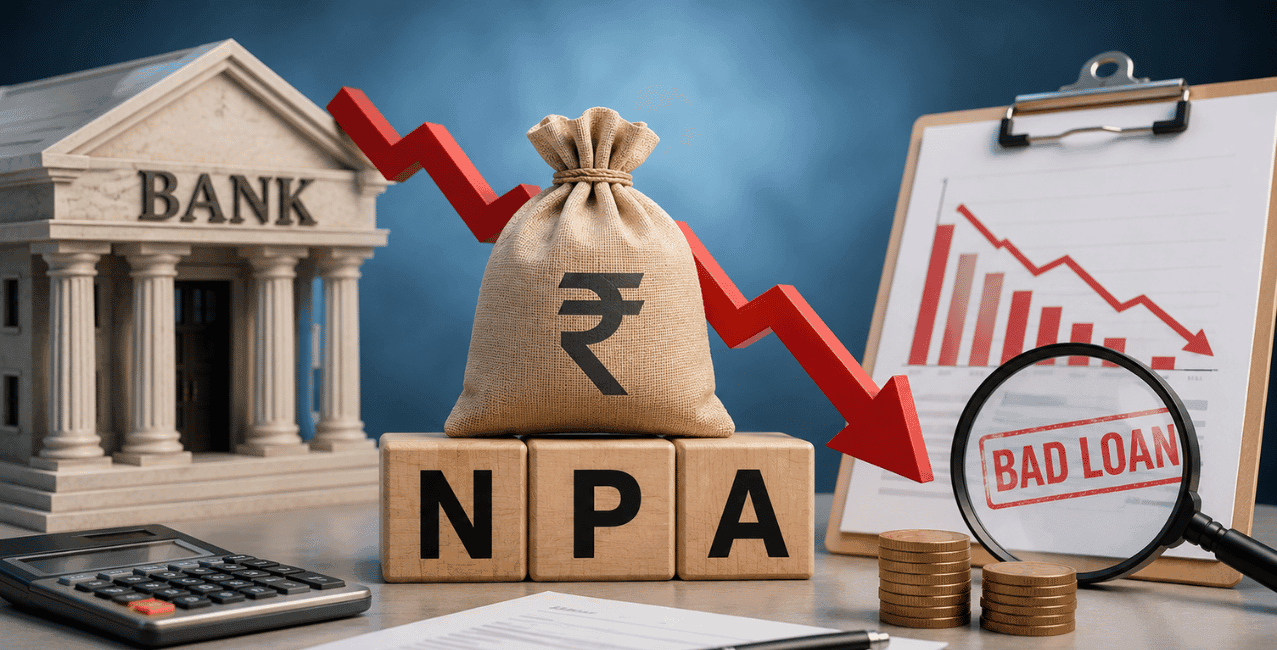
A written-off loan is a loan the lender removes from its active books. The Reserve Bank of India calls this a technical write-off. It happens after the loan stays unpaid for a long time and the lender has set aside the full amount for the loss. This is typically done after full provisioning is completed, commonly around four years, though banks can write it off earlier if their board policy allows it. The lender treats the sum as a loss for its reports and tax work so the books look cleaner. Written-off loans also stay out of the gross and net non-performing asset numbers.
Writing off the loan does not clear the borrower’s duty to repay. The debt stays live. The lender keeps the full right to collect every rupee still due, along with interest and any extra charges that have built up over time.
Yes. A lender can and often does recover money from a written-off loan. Official statements given in Parliament have said many times that a write-off does not free the borrower from paying. Banks keep the recovery process going through the normal legal paths and other methods. Recovery stays open even after the loan is taken off the active books. Any amount that comes back later is counted as income for the lender.
Lenders use several routes after a write-off:
The path they pick depends on whether the loan has security or not, how much is due, and how old the account is. Recovery agents must follow RBI fair practice rules, including limits on call times, and banks must stick to the policy their board has approved for how agents work.
If you really cannot pay, recovery work goes on. The lender or the agency that bought the debt may keep calling, send legal notices, or file cases. For loans with security the asset given as cover can still be taken. Court action can lead to other assets or salary being held, if the court allows it.
There is a time limit under the Limitation Act, usually three years from the date of default or the last time the debt was accepted in writing. Paying even a small part or sending a written note that accepts the debt can start that three-year clock again. Leaving the debt alone does not make it go away, and the pressure can last for years.
Yes. Settling is common and often easier once a loan is written off because the lender has already booked the loss. Any money they get is extra for them. Under the RBI’s 2023 Framework for Compromise Settlements and Technical Write-offs, even loans marked as fraud or wilful default can be looked at for a settlement deal, if the board agrees.
You can talk about paying a lower lump sum than the full amount due. Keep in mind that a part payment that is not paid as one sum within three months is treated by RBI as restructuring, not a true settlement, and that brings different reporting rules. Once you pay the agreed amount and get a clear settlement letter or no-dues paper, the recovery side of the account is closed.
Always get the terms in writing before you pay. After settlement the status on your credit report usually moves from “Written Off” to “Settled.” That is still a negative mark but looks better than an open write-off.
A written-off mark is one of the worst things that can show on a credit report. Credit bureaus do not give an exact point drop. The fall is steep and can take the score well below the level needed for new loans or cards. The mark stays on the report for up to 7 years from the date it was first shown.
Future lenders see it as a clear sign of past default. Getting new unsecured loans or credit cards becomes very hard while the mark is there. Even after settlement the “Settled” status stays for years and still hurts approval chances, though the effect lessens slowly if the rest of your credit record stays clean.
*T&C Apply
If you can pay the full amount, do that and get a clear no-dues certificate. If full payment is not possible, start a settlement talk. Keep every message in writing. Once you settle or pay, follow up so the lender updates the credit bureaus. You can also raise a dispute with the credit information company if the status does not change correctly after settlement.
Do not make any part payment or send a written note that accepts the debt without a formal settlement agreement, because that can restart the time limit.
A written-off loan does not end the duty to repay or the lender’s right to collect. Settlement is still possible even in hard cases, and clear papers plus timely updates to credit records help cut lasting harm. Checking the real position early and dealing through the proper channels gives the best way to close the matter.
Talk to your bank to pay the full pending amount or negotiate a one-time settlement deal. Always get the final agreement in writing.
It won't disappear immediately. Paying in full changes the status to "Closed," while paying a negotiated amount changes it to "Settled" on your report.
Yes, negative marks like a write-off usually drop off your CIBIL report after seven years, though the damage slowly fades before then.
Yes. Paying it stops recovery agents, prevents legal action, and updates your CIBIL report, helping you borrow money again in the future.
The bank removes the loan from its active accounting books for tax benefits, but you still owe the money and collection efforts will continue.
"Settled" is much better. Both lower your CIBIL score, but "Settled" shows future lenders you finally took responsibility and cleared an agreed amount.
As per RBI rules, banks do a technical write-off to clean their books after keeping enough money aside to cover the financial loss.
Absolutely. Banks actively recover them using collection agents, selling the debt to third-party agencies, or taking legal action in regular courts.