By continuing, you agree to LoansJagat's Credit Report Terms of Use, Terms and Conditions, Privacy Policy, and authorize contact via Call, SMS, Email, or WhatsApp
Disclaimer: The information published on LoansJagat is intended for general informational and educational purposes only and should not be considered financial, legal, or investment advice. Interest rates, loan terms, statistics, and other data may change over time and may vary by lender or source. Please verify the latest information and consult a qualified financial advisor or the respective Bank/NBFC before making any financial decisions.
Subscribe Now
About the author

LoansJagat Team
‘Simplify Finance for Everyone.’ This is the common goal of our team, as we try to explain any topic with relatable examples. From personal to business finance, managing EMIs to becoming debt-free, we do extensive research on each and every parameter, so you don’t have to. Scroll up and have a look at what 15+ years of experience in the BFSI sector looks like.
Related Blog Post
Simplify All Your Loans Into One Affordable EMI

Customers Served

Debt Consolidated

1200+ Reviews

Locations in India
Club all Loans & Credit Card Bills into Single EMI

Quick Apply Loan
Consolidate your debts into one easy EMI.

Takes less than 2 minutes. No paperwork.

10 Lakhs+
Trusted Customers

2000 Cr+
Loans Disbursed

4.7/5
Google Reviews

50+
Banks & NBFCs Offers
Other services mentioned in this article
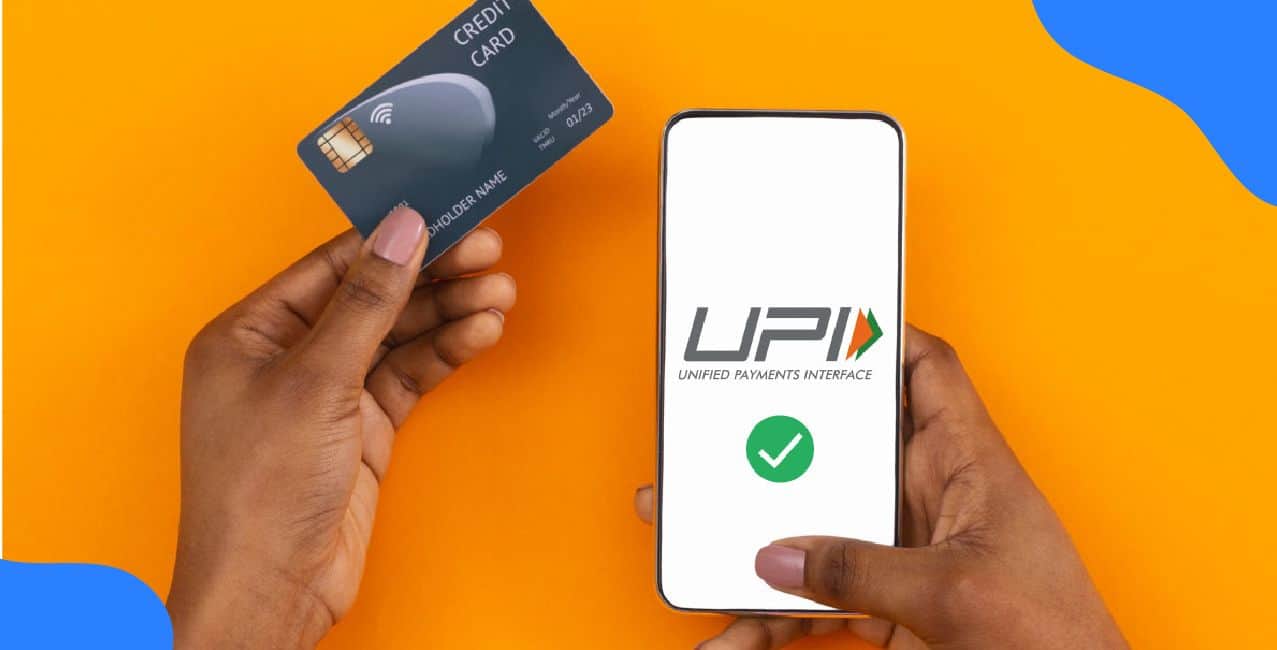
India’s Unified Payments Interface (UPI) has transformed how people make digital payments. Recently, banks have started offering credit lines directly within UPI apps, allowing users to borrow and pay without needing a physical card or separate loan app.
This move promises to expand access to credit, especially among users who don’t have traditional credit cards or formal loans. Below, we explore what this feature is, how it compares with credit cards, why adoption has been slow, and what its future might look like. (Moneycontrol)
A credit line on UPI is essentially a pre-approved borrowing limit that a bank links to your UPI ID. Once approved, this option appears in your UPI app alongside your bank account or wallet. You choose the credit line at checkout instead of using your savings balance, and the merchant is paid instantly just like an ordinary UPI payment.
Unlike credit cards, there is no card number or swipe machine involved. You don’t need a separate plastic or app for managing the credit — everything happens within the same familiar UPI interface you use for everyday payments. Repayment terms vary by bank: some offer a short interest-free window, others start charging interest immediately and ask for monthly repayment.
This feature makes UPI a payments tool with a built-in credit facility, blurring the line between paying and borrowing. It’s particularly useful for everyday small purchases at places where credit cards might not be accepted, such as local shops or service providers.
Read More - How Paying Later Through QR Codes Is Changing Digital Spending
How It Compares With Credit Cards
At first glance, a UPI credit line might seem like a digital credit card, but there are meaningful differences.
Credit cards have wide global acceptance and often come with reward points, cashbacks, and interest-free grace periods. UPI credit lines lack many of these traditional perks. They are designed for short-term borrowing tied to digital payments, not for extensive credit management or lifestyle benefits.
Importantly, UPI credit lines may feel more immediate and personal. Users pick credit consciously at the moment of payment, and there is less of the psychological delay that comes with swiping a card. However, this closeness to instant tech can lead to overspending if users don’t track usage carefully.
Banks also face different economics with UPI credit lines. Traditional credit cards generate Merchant Discount Rate (MDR) fees that contribute to bank revenue, but the fee structure for credit on UPI is still unclear, making banks cautious about scaling it up.
Despite the promise, uptake of credit lines on UPI remains limited.
One reason is operational complexity: banks must underwrite and manage credit risks, often without clear regulatory direction on reporting to credit bureaus or treating these lines as equivalent to credit cards. Smaller banks also lack the tech infrastructure to integrate these systems smoothly.
Another challenge is economic incentives for banks. UPI credit lines could divert transactions away from credit cards, which are more profitable due to fee income. Many banks already issue virtual RuPay credit cards that link to UPI, combining card benefits with the convenience of UPI without undercutting their revenue models.
*T&C Apply
The concept of credit on UPI has broad reach, given UPI’s massive user base. Some estimates suggest that transaction value via credit lines could grow significantly by the end of this decade, helping to bring formal credit to millions who lack traditional credit cards.
For this to materialise, stakeholders need clearer regulations, better risk management tools, and bank systems that can underwrite small, frequent loans efficiently. Improvements in credit scoring, perhaps using alternative data, could help target credit lines to responsible users without excessive risk.
Credit lines on UPI are a promising innovation in India’s payment ecosystem. They offer a simple way to borrow and pay in one place, using the UPI app you already know. While they won’t replace credit cards soon, they can supplement credit options for everyday needs, especially for users underserved by traditional products.
The key to success will be balancing convenience with responsible lending, ensuring that users understand repayment obligations and that banks can manage risk without sacrificing profitability. As the product matures and regulations evolve, UPI credit lines could become a standard part of digital financial lives in India.









.png&w=3840&q=75)



