By continuing, you agree to LoansJagat's Credit Report Terms of Use, Terms and Conditions, Privacy Policy, and authorize contact via Call, SMS, Email, or WhatsApp
Disclaimer: The information published on LoansJagat is intended for general informational and educational purposes only and should not be considered financial, legal, or investment advice. Interest rates, loan terms, statistics, and other data may change over time and may vary by lender or source. Please verify the latest information and consult a qualified financial advisor or the respective Bank/NBFC before making any financial decisions.
Subscribe Now
About the author

LoansJagat Team
‘Simplify Finance for Everyone.’ This is the common goal of our team, as we try to explain any topic with relatable examples. From personal to business finance, managing EMIs to becoming debt-free, we do extensive research on each and every parameter, so you don’t have to. Scroll up and have a look at what 15+ years of experience in the BFSI sector looks like.
Related Blog Post
Simplify All Your Loans Into One Affordable EMI

Customers Served

Debt Consolidated

1200+ Reviews

Locations in India
Club all Loans & Credit Card Bills into Single EMI

Quick Apply Loan
Consolidate your debts into one easy EMI.

Takes less than 2 minutes. No paperwork.

10 Lakhs+
Trusted Customers

2000 Cr+
Loans Disbursed

4.7/5
Google Reviews

50+
Banks & NBFCs Offers
Other services mentioned in this article
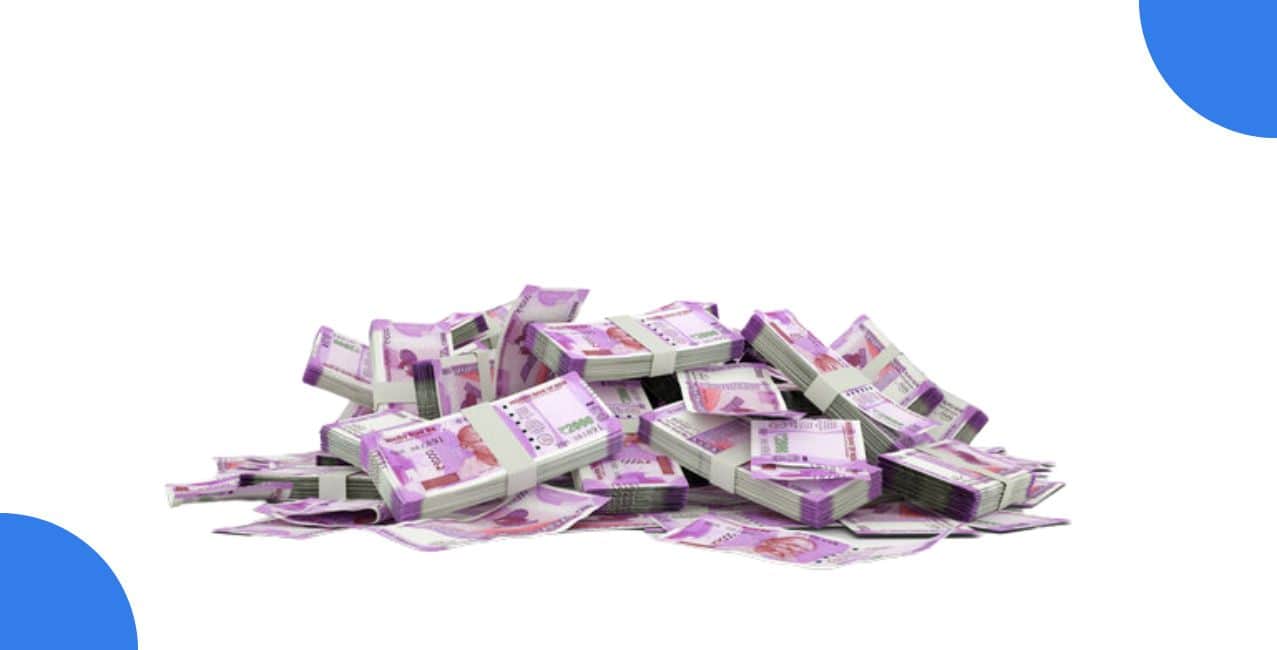
After hitting a record low of 95.21 per dollar, the rupee bounced sharply as emergency forex curbs triggered dollar selling, but oil and outflow risks remain live.
The rupee’s rebound this week has given markets brief relief after one of the sharpest currency slides in recent years. On March 30, 2026, the rupee fell to an all-time low of 95.21 against the US dollar before closing at 94.83.
By April 2, it had surged to 93.10, its best single-day gain since September 2013. The bounce followed tighter curbs on speculative forex positions, which pushed banks to unwind dollar bets and brought heavy dollar selling back into the domestic market.
The selloff was driven by a mix of external shocks and domestic pressure points. Reuters reported Brent crude at about $115 a barrel, while foreign investors had sold more than $19 billion of Indian equities over the previous 12 months.
The same report said the rupee logged an 11% fall in FY26, its worst fiscal-year drop since 2011-12. Market sentiment was also hit by West Asia tensions and risk-off trades across emerging markets.
Business Standard and Moneycontrol separately reported that the 95-mark breach came despite initial regulatory action, showing how deep the pressure had become. LoansJagat had flagged these risks earlier in March, linking a weaker rupee to oil prices, FII outflows and intervention costs.
A sharp move in the forwards market added to the story. Reuters said banks had built arbitrage positions of about $30 billion to $40 billion.
Once tighter curbs kicked in, those trades started unwinding fast, forcing banks to sell dollars onshore. That shift helped the rupee recover quickly, though traders still see volatility ahead.
The first step was a tighter cap on banks’ net open rupee positions at $100 million by end of day, replacing the older capital-linked framework. But the relief did not hold immediately. Reuters reported that corporates then exploited the gap between onshore forwards and offshore NDF rates, and the 1-month spread widened from the usual 1 paise to 5 paise to more than 1 rupee at one stage.
A second round of curbs followed, including restrictions on offering rupee NDFs to clients and on rebooking cancelled forwards. That is what finally squeezed speculative positions harder and lifted the rupee.
*T&C Apply
$100 million cap on net open rupee positions
This rebound, however, looks policy-led rather than fully fundamental. Oil remains high, imported inflation risks remain, and foreign flows have not turned decisively supportive yet
Bankers told Reuters that the steps were aimed at speculation, not genuine hedging. Analysts quoted by Reuters and Economic Times said the move improved near-term liquidity but did not erase pressure from oil and capital outflows. PTI, via Times of India, also described the rebound as one of the strongest in years after regulatory intervention.
The rupee has bounced back sharply, but the recovery is still fragile. What happens next will depend more on oil, risk appetite and foreign flows than on one week of forex curbs.









.png&w=3840&q=75)



