By continuing, you agree to LoansJagat's Credit Report Terms of Use, Terms and Conditions, Privacy Policy, and authorize contact via Call, SMS, Email, or WhatsApp
Disclaimer: The information published on LoansJagat is intended for general informational and educational purposes only and should not be considered financial, legal, or investment advice. Interest rates, loan terms, statistics, and other data may change over time and may vary by lender or source. Please verify the latest information and consult a qualified financial advisor or the respective Bank/NBFC before making any financial decisions.
Subscribe Now
About the author

LoansJagat Team
‘Simplify Finance for Everyone.’ This is the common goal of our team, as we try to explain any topic with relatable examples. From personal to business finance, managing EMIs to becoming debt-free, we do extensive research on each and every parameter, so you don’t have to. Scroll up and have a look at what 15+ years of experience in the BFSI sector looks like.
Related News
Simplify All Your Loans Into One Affordable EMI

Customers Served

Debt Consolidated

1200+ Reviews

Locations in India
Club all Loans & Credit Card Bills into Single EMI

Quick Apply Loan
Consolidate your debts into one easy EMI.

Takes less than 2 minutes. No paperwork.

10 Lakhs+
Trusted Customers

2000 Cr+
Loans Disbursed

4.7/5
Google Reviews

50+
Banks & NBFCs Offers
Other services mentioned in this article
Key Takeaways
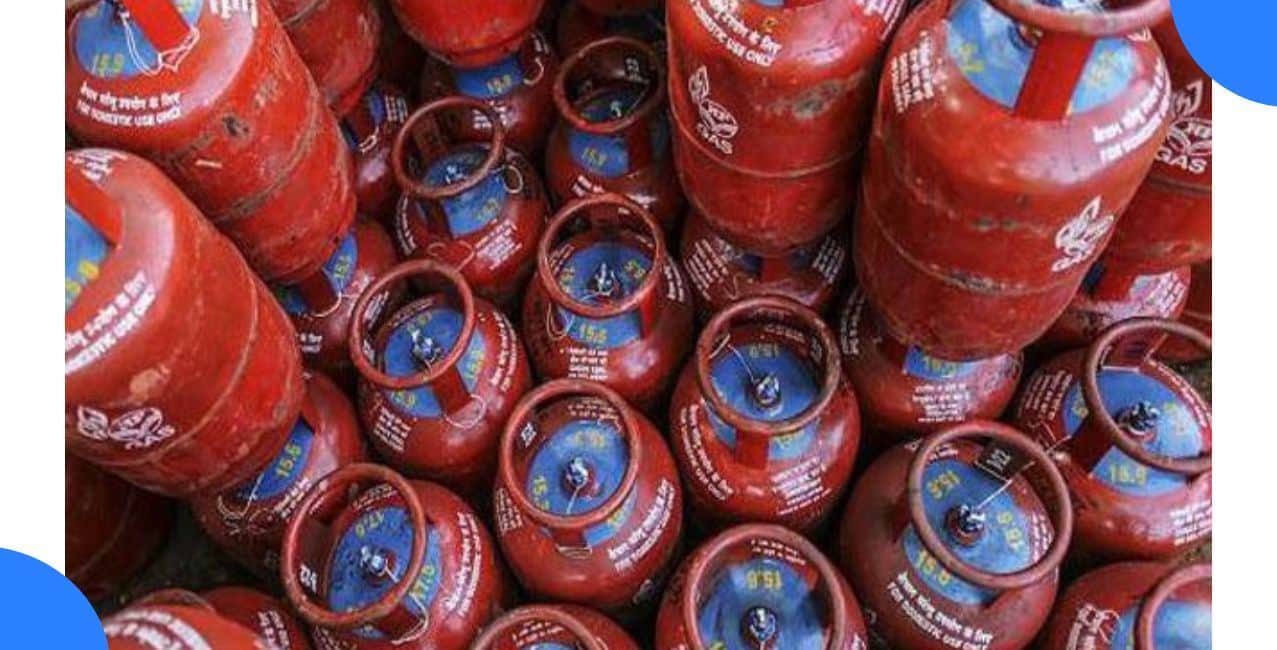
Cooking gas just got more expensive. Again.
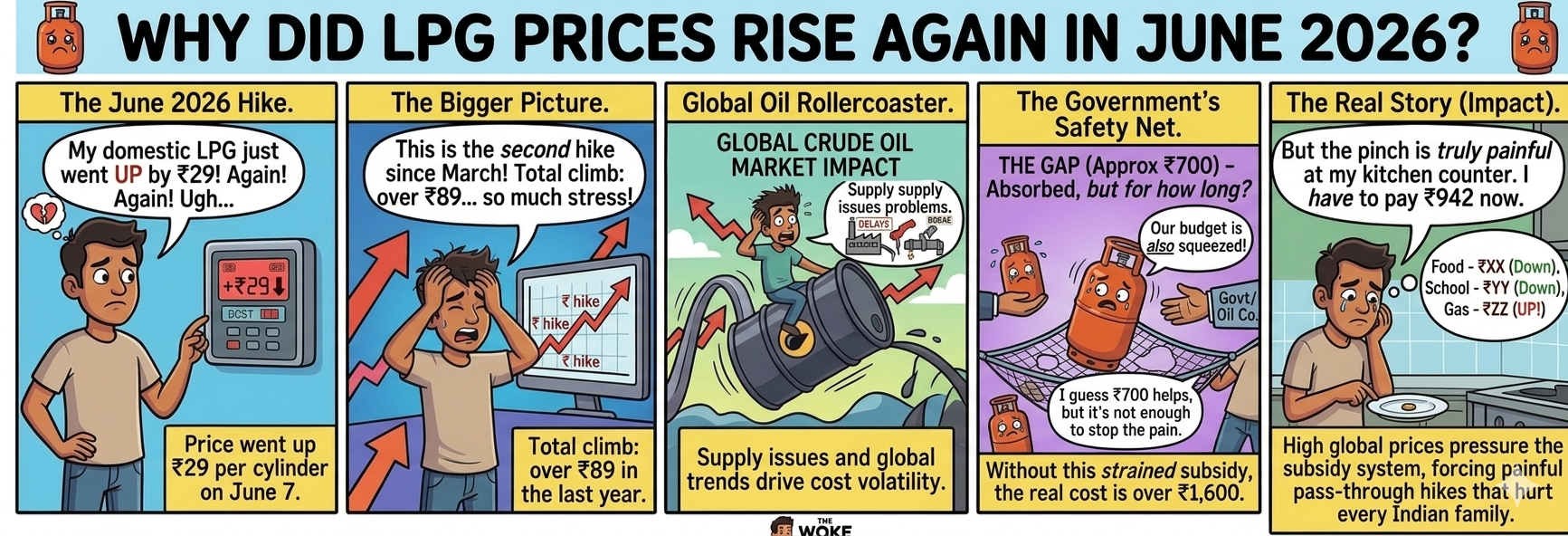
On June 7, domestic LPG prices went up by ₹29 per cylinder. Delhi now pays ₹942 for a 14.2 kg refill. That is the second hike since March. Over 12 months, prices have climbed by ₹89.
The government is absorbing part of the cost. Supply of one cylinder now costs over ₹1,600. Consumers pay far less. The gap, nearly ₹700 per cylinder, is being absorbed by the government and public sector oil companies. But that has not stopped the pinch at the kitchen counter.
An average Indian household consumes around 9-10 cylinders in a year. That’s nearly ₹8,500 a year, only for cooking gas at ₹942 in Delhi. It was below ₹7,700 last year.
This hike lands when families are already stretched. Food, healthcare, school fees, travel costs. All up. Many households are splitting kitchen tasks. Gas for rotis. Induction for rice, dal, and boiling water.
On Amazon India, induction stove sales jumped nearly 30 times after LPG disruptions started. TTK Prestige CEO Venkatesh Vijayaraghavan confirmed a “threefold surge” in demand. The company raised production to 100% capacity and added 15% more staff.
The savings case is clear. At present, LPG rates it takes about ₹1,350 to ₹2,000 to cover monthly cooking costs. With induction, the amount of electricity consumed each month for cooking stands between 50 and 70 units. This comes to ₹300 to ₹560, taking into account the cost per unit of electricity that falls between ₹6 and ₹8 per unit. Hence, you can save 800 to ₹1,200 per month.
There is one issue, though. Widespread adoption of electric cooking may result in an increase in demand for power by 13 GW to 27 GW. This will happen right at the time when the load on the electricity grid is high.
The Power Ministry is in negotiations with companies manufacturing induction cookers in order to solve the problem of insufficient supplies. Star rating requirements for induction cooktops have been postponed to January 2027 instead of July 2026.
*T&C Apply
The shift is no longer just a workaround. It is a budget decision. India’s induction cooktop market was valued at USD 763 million in 2025. It is projected to hit USD 842 million by the end of 2026, which is growing at over 10.35% annually. Most families will not ditch the gas burner entirely. But they are already using it less. And that number will keep falling each time a new hike lands.
1. Why are opposition parties criticising the government over rising LPG prices?
The opposition’s point is simple. BJP leaders, including Prime Minister Narendra Modi, publicly protested LPG price hikes between 2012 and 2014 when the UPA government was in power. Now that domestic cylinder prices have crossed ₹942 in Delhi, with two hikes in three months, those same leaders are quiet. Congress has called this a direct contradiction. The argument is not about policy. It is about consistency.
2. How has the West Asia conflict affected domestic LPG prices in India?
India’s dependence on Gulf imports means any disruption abroad hits kitchen budgets at home. The government is currently absorbing nearly ₹700 per cylinder as under-recovery. So the hike, while painful, reflects a real cost burden. The timing is the problem. Vegetable prices, school fees, and healthcare costs are already up. A fuel hike on top of that leaves middle-class and lower-income families with very little room to adjust. The switch to induction helps, but not every household can afford the upfront cost of the appliance.









.png&w=3840&q=75)



