By continuing, you agree to LoansJagat's Credit Report Terms of Use, Terms and Conditions, Privacy Policy, and authorize contact via Call, SMS, Email, or WhatsApp
Disclaimer: The information published on LoansJagat is intended for general informational and educational purposes only and should not be considered financial, legal, or investment advice. Interest rates, loan terms, statistics, and other data may change over time and may vary by lender or source. Please verify the latest information and consult a qualified financial advisor or the respective Bank/NBFC before making any financial decisions.
Apply for Loans Fast and Hassle-Free
Subscribe Now
About the author

LoansJagat Team
‘Simplify Finance for Everyone.’ This is the common goal of our team, as we try to explain any topic with relatable examples. From personal to business finance, managing EMIs to becoming debt-free, we do extensive research on each and every parameter, so you don’t have to. Scroll up and have a look at what 15+ years of experience in the BFSI sector looks like.
Related Blog Post
Simplify All Your Loans Into One Affordable EMI

Customers Served

Debt Consolidated

1200+ Reviews

Locations in India
Club all Loans & Credit Card Bills into Single EMI

Quick Apply Loan
Consolidate your debts into one easy EMI.

Takes less than 2 minutes. No paperwork.

10 Lakhs+
Trusted Customers

2000 Cr+
Loans Disbursed

4.7/5
Google Reviews

50+
Banks & NBFCs Offers
Other services mentioned in this article
Key Takeaways
Online ads chalana toh easy lagta hai, but kabhi socha hai ki foreign digital platforms ko payment par tax bhi lag sakta hai?
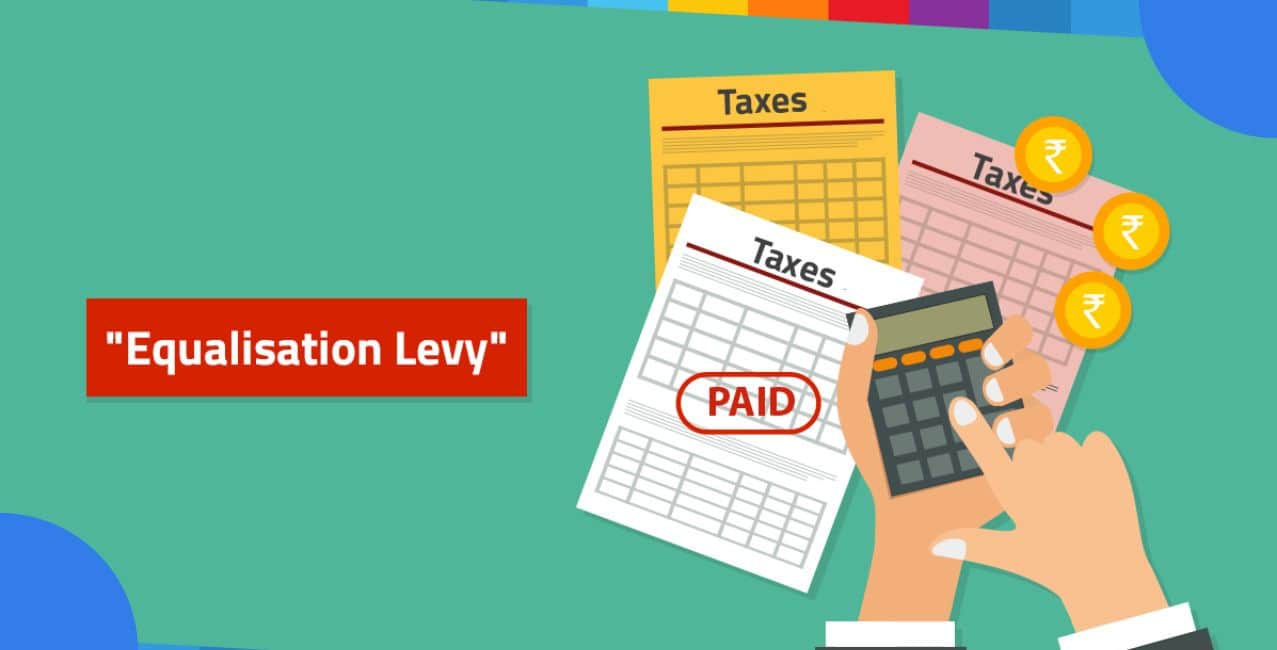
Equalisation Levy is a tax charged by the Government of India on certain digital services provided by foreign companies to Indian businesses or users. It ensures that foreign digital platforms earning income from India also contribute to the country’s tax system.
I paid ₹2,00,000 in a year to a foreign platform for running online advertisements. I may need to deduct a 6% Equalisation Levy, which means ₹12,000 will be paid as tax before making the payment.
Bonus Tip: India continues negotiations under the OECD global tax framework to replace digital taxes like Equalisation Levy with a unified global taxation system. Some experts believe this could eventually lead to the equalisation levy abolished in India, though no official announcement has confirmed that the equalisation levy will be abolished.
Equalisation levy applicability helps businesses identify when this tax becomes applicable on payments made to foreign digital service providers.
These conditions define equalisation levy applicability and explain when the india equalization levy applies to cross-border digital transactions.
Current tax rates apply unless the government introduces policy changes in the future, such as discussions around the equalisation levy removed under global digital tax reforms.
These rates define how the India equalization levy works for different categories of digital services.
The services covered under the Equalisation Levy help you identify which digital activities may fall under this tax framework. The levy mainly applies to specific digital services provided by non-resident companies to Indian users or businesses.
These services explain where the India equalization levy may apply in digital transactions.
The exclusions under the Equalisation Levy help you identify situations where the levy does not apply.
*T&C Apply
These exclusions help you clearly understand when equalisation levy applicability does not arise under the india equalization levy framework.
The due dates under the Equalisation Levy help you stay compliant and avoid penalties. If you are liable to deduct or pay the levy, you must follow the prescribed payment and reporting timelines.
These timelines ensure smooth compliance with the India equalization levy rules.
The consequences of delayed payments under the Equalisation Levy are important for maintaining proper tax compliance.
If you fail to deduct, deposit, or report the levy on time, certain penalties and interest may apply.
Equalisation Levy plays an important role in taxing digital income earned by foreign companies from Indian users. Its applicability, rates, exclusions, and due dates help you stay compliant. If you deal with foreign digital platforms, these rules can help you avoid penalties.
1. Is the equalisation levy applicable to software purchases?
The Equalisation Levy usually does not apply to regular software purchases. It mainly applies to specified digital services such as online advertisements or certain e-commerce transactions with foreign platforms. If the software purchase does not fall under specified services, the levy generally does not apply.
2. How do Indian companies pay the equalisation levy?
Indian companies must deduct the applicable levy before making payment to the non-resident service provider. The deducted amount must be deposited with the government and reported in the annual statement, which many taxpayers search for on how to file equalisation levy return.
3. What is the difference between equalization and rebalancing for private equity funds?
Equalization ensures that investors who join a private equity fund later contribute their fair share for earlier investments. Rebalancing means adjusting the investment portfolio to maintain the desired allocation of assets.
4. What is the difference between Equalisation Levy and TDS under Section 194O?
Equalisation Levy applies to certain digital services provided by non-resident platforms in cross-border transactions. TDS under Section 194O applies to domestic e-commerce transactions where the platform deducts tax from payments made to sellers.
5. Who is responsible for paying the equalisation levy in e-commerce transactions?
In e-commerce transactions, the non-resident e-commerce operator is responsible for paying the Equalisation Levy on the revenue generated from Indian users, unless the policy changes and the equalisation levy removed rule is introduced in the future.