By continuing, you agree to LoansJagat's Credit Report Terms of Use, Terms and Conditions, Privacy Policy, and authorize contact via Call, SMS, Email, or WhatsApp
Disclaimer: The information published on LoansJagat is intended for general informational and educational purposes only and should not be considered financial, legal, or investment advice. Interest rates, loan terms, statistics, and other data may change over time and may vary by lender or source. Please verify the latest information and consult a qualified financial advisor or the respective Bank/NBFC before making any financial decisions.
Apply for Loans Fast and Hassle-Free
Subscribe Now
About the author

LoansJagat Team
‘Simplify Finance for Everyone.’ This is the common goal of our team, as we try to explain any topic with relatable examples. From personal to business finance, managing EMIs to becoming debt-free, we do extensive research on each and every parameter, so you don’t have to. Scroll up and have a look at what 15+ years of experience in the BFSI sector looks like.
Related Blog Post
Simplify All Your Loans Into One Affordable EMI

Customers Served

Debt Consolidated

1200+ Reviews

Locations in India
Club all Loans & Credit Card Bills into Single EMI

Quick Apply Loan
Consolidate your debts into one easy EMI.

Takes less than 2 minutes. No paperwork.

10 Lakhs+
Trusted Customers

2000 Cr+
Loans Disbursed

4.7/5
Google Reviews

50+
Banks & NBFCs Offers
Other services mentioned in this article
Key Insights
Tax compliance safeguards businesses and individuals from costly penalties while ensuring financial integrity globally. The Foreign Account Tax Compliance Act governs international financial reporting, while TCC certificate tax compliance Kenya validates local obligations. Even SARS influencer tax compliance demonstrates how modern economies actively pursue every taxpayer accountably.
Tax compliance in India is every taxpayer's most critical financial responsibility directly impacting business credibility and personal financial health. Obtaining a tax compliance certificate and understanding the types of tax compliance empowers businesses and individuals to meet every regulatory obligation confidently.
Tax compliance in India works like a financial health checkup. Regularly fulfilling obligations keeps businesses legally fit and penalty-free permanently. The types of tax compliance include income tax, GST, TDS, and corporate tax, each carrying distinct filing requirements and deadlines. A tax compliance certificate serves as official proof of fulfilled obligations unlocking government contracts, bank loans, and international business opportunities seamlessly.
Example:
I prioritised tax compliance in India by filing returns accurately and on time, and obtaining a tax compliance certificate helped my business win government tenders. Understanding all types of tax compliance requirements saved me from costly penalties and maintained complete financial credibility effortlessly.
Read More - Advance Tax Calculator
Paying taxes is a must, but knowing why tax compliance matters can help your business grow and protect its future.
Here are some key reasons why tax compliance matters:
Tax compliance helps protect your business, builds trust, and supports growth. It also helps fund the community where you do business.
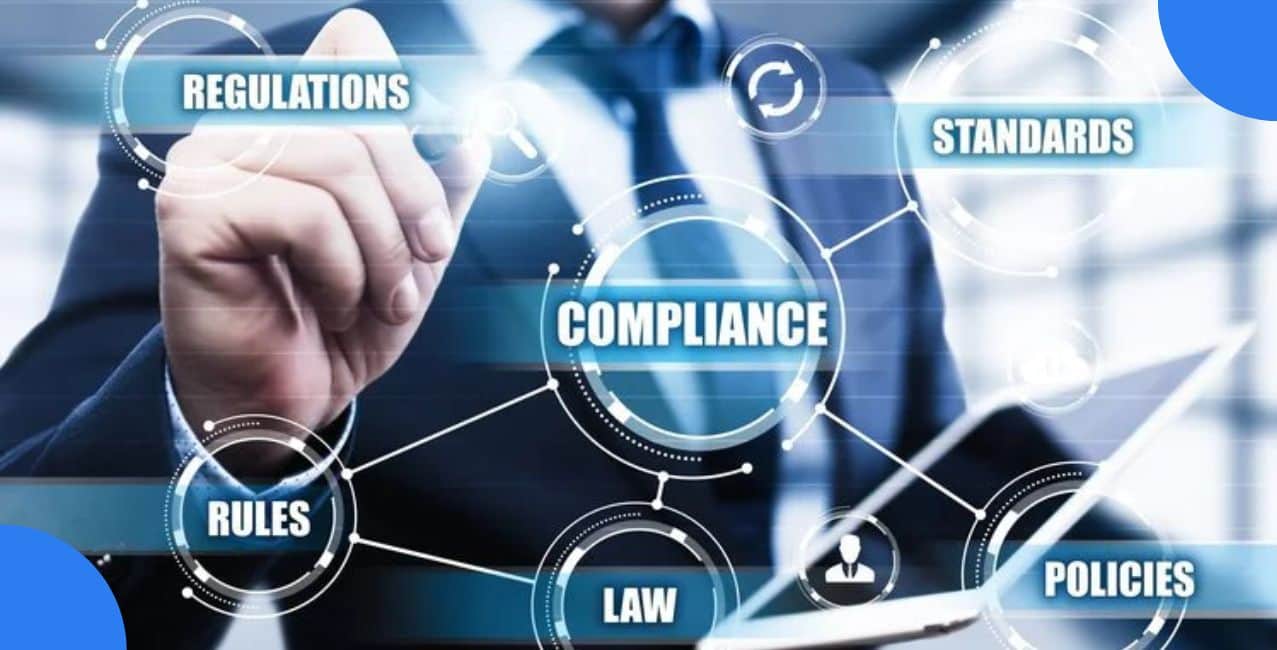
Tax compliance means more than simply paying what you owe. It helps protect your business, encourages growth, and gets you ready for what’s ahead.
The main goals of tax compliance are:
When you stay tax compliant, you protect your business, can save money, build trust, and support the community you depend on.
Tax compliance is not the same across the board. In India, you need to follow both the Direct Tax and GST rules.
Here is what you should know.
*T&C Apply
Advance Tax Payments: If your estimated yearly tax is more than ₹10,000, you need to pay tax in quarterly instalments.
TDS/TCS Compliance: Tax must be deducted at source on payments such as salary, rent, or professional fees, and then deposited with the government.
PAN and TAN Management: Keep your Permanent Account Number (PAN) and Tax Deduction Account Number (TAN) valid and up to date.
Tax Audits: Businesses that reach certain turnover limits must have their accounts audited.
Also Read - Advance Ruling
It is important to stay on top of direct tax and GST compliance in India. Otherwise, you could face penalties, audits, or interruptions to your business.
Learning the theory is helpful, but real-life examples make it clear how following tax rules can save money, help you avoid penalties, and build trust.
Individual Income Tax Compliance: Priya is a software engineer in Mumbai who earns ₹12,00,000 a year. She files her ITR-1 before the 31st July deadline every year. By investing ₹1,50,000 in PPF under Section 80C and paying ₹25,000 for health insurance under Section 80D, she legally reduces her taxable income to ₹10,25,000 and saves about ₹54,600 in taxes each year.
Business GST Compliance: Rajesh owns a manufacturing business in Delhi with an annual turnover of ₹85,00,000. He files GSTR-1 and GSTR-3B every month, claims ₹3,20,000 in Input Tax Credit on raw materials, and keeps accurate invoice records. By doing this, he avoids ₹50,000 in late filing penalties and keeps his business credit profile spotless.
TDS Compliance: Amit runs a company in Bengaluru that processes a monthly payroll of ₹45,00,000. He makes sure TDS is deducted correctly for every employee and deposits it by the 7th of each month. This helps his company stay fully compliant, avoid penalties, and earn complete trust from employees.
Whether it’s Priya, Rajesh, or Amit, following tax rules helps save money, avoid penalties, and build lasting trust.
Tax compliance is not just paperwork; it protects your business and helps it grow. Learn about the different types of tax compliance in India, get your tax compliance certificate, and avoid penalties. By staying compliant, you build lasting trust and make sure every tax rupee supports your future.
Tax compliance turns into “tax extremism” (or “tax terrorism”) when the administration shifts from facilitating voluntary compliance to using coercive, punitive, and arbitrary measures to meet revenue targets. It is marked by excessive scrutiny, retrospective law changes, and harassment, effectively treating taxpayers as criminals rather than partners in development.
Annual compliance and tax filings for a private limited company typically cost between ₹10,999 and ₹30,000+ per year in India, depending on turnover and company size. Basic compliance for startups starts around ₹10,999, while larger companies (over ₹1 crore turnover) may pay higher. Key filings include IT returns, ROC, and audits.
What is income tax compliance in India?
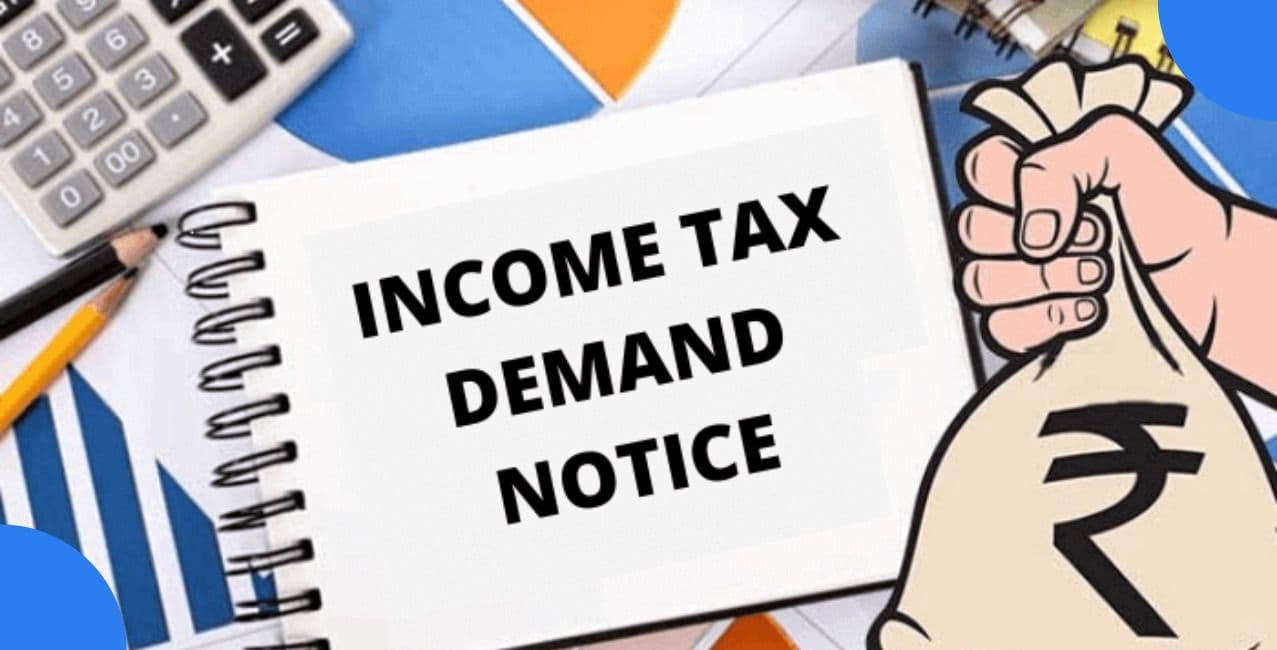
Income tax compliance in India is a mandatory legal obligation for individuals and businesses to follow the Income Tax Act of 1961 by accurately reporting income, deducting necessary taxes, and paying taxes on time. It involves filing annual Income Tax Returns (ITR), paying advance tax, and maintaining records to avoid penalties.
What is business tax compliance?
Tax compliance in business is the legal obligation to adhere to government regulations by accurately calculating, reporting, and paying taxes such as income tax, GST, and payroll tax on time. It involves maintaining proper records and filing returns, ensuring the business avoids penalties and maintains its reputation.