By continuing, you agree to LoansJagat's Credit Report Terms of Use, Terms and Conditions, Privacy Policy, and authorize contact via Call, SMS, Email, or WhatsApp
The information published on LoansJagat is intended for general informational and educational purposes only and should not be considered financial, legal, or investment advice. Interest rates, loan terms, statistics, and other data may change over time and may vary by lender or source. Please verify the latest information and consult a qualified financial advisor or the respective Bank/NBFC before making any financial decisions.
Subscribe Now
About the author

Anishka Bhadly
Anishka Bhadly is a content writer with a finance and business background. She has completed her bachelor's degree with a specialisation in finance and is currently pursuing an MBA in the finance field too. The knowledge she has gained from her studies and experience working with EdTech companies helped her combine theoretical knowledge with practical industry insight. Her expertise lies in creating well-researched, informative, and reader-friendly content in various banking, personal finance, loans, insurance, and investment-related topics.
Related Blog Post
Simplify All Your Loans Into One Affordable EMI

Customers Served

Debt Consolidated

1200+ Reviews

Locations in India
Club all Loans & Credit Card Bills into Single EMI

Quick Apply Loan
Consolidate your debts into one easy EMI.

Takes less than 2 minutes. No paperwork.

10 Lakhs+
Trusted Customers

2000 Cr+
Loans Disbursed

4.7/5
Google Reviews

50+
Banks & NBFCs Offers
Other services mentioned in this article
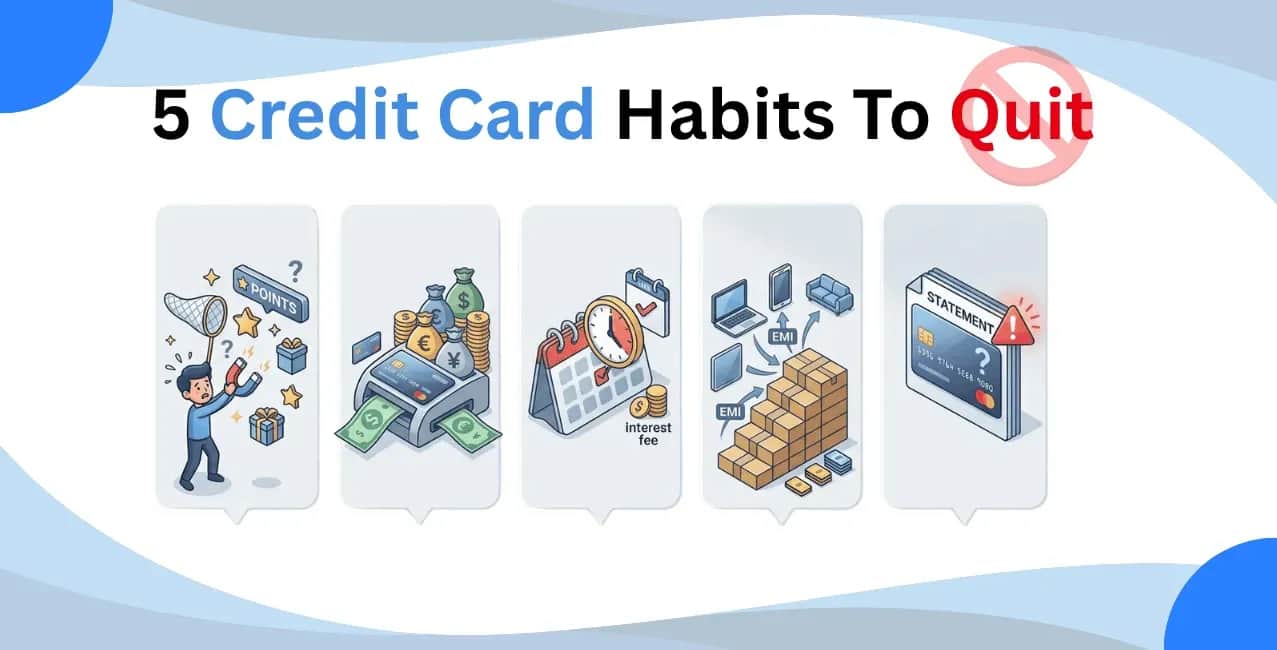
Some credit card vices can make you lose money on credit card payments and affect your credit profile. Such vices are paying only the minimum amount due, missing payment due dates, maxing out the credit card, applying for multiple credit cards within a short span of time, and not checking the credit card statement for errors. CIBIL considers factors such as payment history, credit utilisation, credit history and credit enquiries when calculating a CIBIL Score. RBI also mandated the credit card issuing banks to provide the impact of paying only the minimum amount due. Cutting down on such vices will not only help keep track of credit card usage but also help save money paid as extra interest or charges.
Key Takeaways:
Credit cards can make payments easy; however, some of the habits while using them can make the cardholder pay a lot more than what they expect.
As we saw it is vital that you don't spend your credit card irresponsibly or unwisely since that can cause you nothing but trouble. Always remember to spend within your limits and ensure that you make all the payments on time. If you do that you will be able to handle your credit card more responsibly and avoid a number of unnecessary costs.
There are certain credit card habits and behaviours that can affect your repayment abilities and hurt your credit profile. Being aware of them can help you in avoiding them and managing your credit cards responsibly.
Skipping out on payments when they are due can result in the cardholder being charged late fees and damage to credit history.
Avoiding these behaviours related to credit cards can prevent them from affecting repayment of the cards and a negative impact on the credit profile.
The best way to use your cards is to be able to care for the billing cycle and pay on time, track your expenses and keep your transactions safe. Here are some important tips to ensure that you are using your credit card wisely while reaping maximum rewards while minimising payments and other hassles.
A credit card can tempt you into buying a product that is way more expensive than what you expected; however, at the end of the day, that amount will still have to come out of your pocket.
*T&C Apply
Using a credit card requires a certain amount of responsibility on your part. Keeping track of your expenses, protecting your credit card from theft/damage, learning about the various aspects of your credit card, staying within your means, etc. are vital in this regard. By following these best practices, you will be able to get maximum rewards with minimal hassles.
Credit cards can be a good tool to have if you utilise them right, and the mantra is to avoid all credit card vices. Paying dues on time and maintaining a healthy credit utilisation, among other things, can help maintain a healthy credit profile. A customer should read the credit card agreement to understand the fine print before applying for a credit card. All such measures will make credit card management simpler for every customer.
The majority of mistakes are late payments, exceeding one’s credit limit, a high percentage of utilisation, multiple applications, and failure to assess the statements on a regular basis.
It is worth paying the credit card bill in full to avoid paying interest on the money owed. In addition, it will become easier to manage the debt.
A high credit utilisation ratio can adversely affect the credit profile, so it is advisable to keep credit utilisation low.
One should use credit cards for purchases they can afford. Credit cards should not be used to fund luxury items or rewards programmes.
Is it advisable to pay only the minimum amount?
Paying only the minimum amount does not automatically hurt your credit score, but the remaining balance may attract interest. Paying the full statement balance can help avoid interest. If that is not possible, pay at least the minimum amount to avoid late fees.
Some credit card issuers may provide an option to convert some eligible purchases or balances into Equated Monthly Installments (EMI). Before availing of this facility it is important that you check the interest rate processing fee tenure and other relevant details.
By checking a credit card statement, one can keep track of their expenses and also verify if there are any unauthorised transactions, disputes or other irregularities. It is always advisable to bring such irregularities to the notice of the card issuer.
Applying for multiple cards in a short span of time can cause multiple hard inquiries on your credit report. It's best to only apply for new lines of credit when you actually need them.
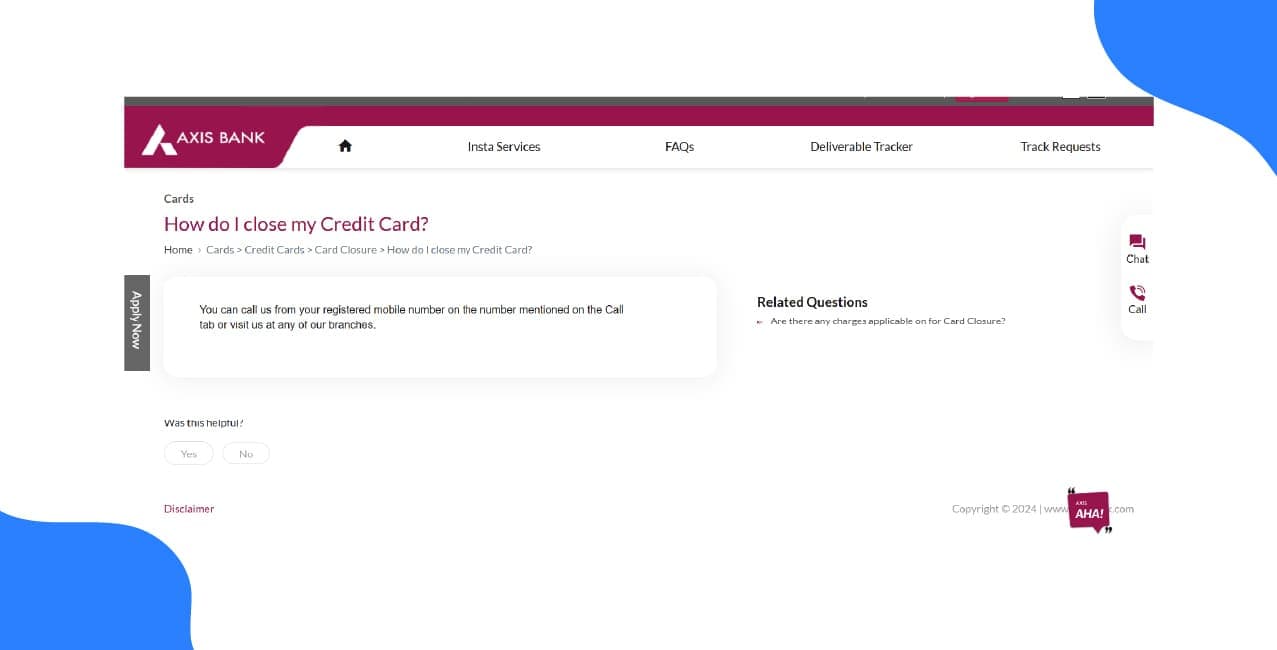
Before closing an old credit card you should assess its costs, benefits and possible impacts to your credit file. If the card is found to be valuable and regularly used, then its closure could mean a reduction of your overall credit facility. It is important to understand the implications of closure to your current credit profile before you decide to close.
Setting a budget and meeting payments on due date, tracking of expenses, protection of credit card information and understanding of interest rates and rewards are a few ways of using the credit card responsibly. Most importantly, one should only spend what they can afford to repay.