By continuing, you agree to LoansJagat's Credit Report Terms of Use, Terms and Conditions, Privacy Policy, and authorize contact via Call, SMS, Email, or WhatsApp
Disclaimer: The information published on LoansJagat is intended for general informational and educational purposes only and should not be considered financial, legal, or investment advice. Interest rates, loan terms, statistics, and other data may change over time and may vary by lender or source. Please verify the latest information and consult a qualified financial advisor or the respective Bank/NBFC before making any financial decisions.
Subscribe Now
About the author

Darshana Patel
Darshana Patel is a finance and tech writer with a strong background in journalism, financial economics, and political science, working with Loans Jagat. She has immense experience writing content through her previous work in fintech and edtech companies. Her contribution at Loans Jagat is to simplify finance-backed content and academically powered content for the readers.
Related Blog Post
Simplify All Your Loans Into One Affordable EMI

Customers Served

Debt Consolidated

1200+ Reviews

Locations in India
Club all Loans & Credit Card Bills into Single EMI

Quick Apply Loan
Consolidate your debts into one easy EMI.

Takes less than 2 minutes. No paperwork.

10 Lakhs+
Trusted Customers

2000 Cr+
Loans Disbursed

4.7/5
Google Reviews

50+
Banks & NBFCs Offers
Other services mentioned in this article
Credit cards are now used by many people for daily spending. But few people know how to use credit card. You can use a credit card to pay for shopping, bills, and other needs. The bank gives you a set credit limit, which you can use as needed. Some cards also give rewards or cashback on certain payments. A credit card can be useful when used in the right way. But spending more than you can repay may make it difficult to manage your bills. It is better to know your limit and keep track of your spending. Paying your bill on time is also important. In this blog, we will learn how to use credit card smartly.
Key takeaways:
A credit card lets you pay for things using money provided by the card issuer. You can make a purchase now and pay the amount later. Every credit card has a set spending limit. The issuer decides this limit based on different factors such as your credit history and other details checked during the application.
1. Easy Payments
A credit card can make payments easier. You can use it for shopping online or at a store. It can also be used when travelling.
2. Rewards
Some cards give rewards when you spend. You may get points or cashback based on the card you have.
3. Help During Emergencies
A credit card can be useful when an unexpected expense comes up. You can use the available limit and pay the amount later.
4. Credit History
Paying the dues on time after using a credit card is beneficial for building your credit history.
5. Purchase Safety
Some cards offer protection on certain purchases. The benefits can include fraud protection, price protection, or an extended warranty.
6. Travel Perks
Some credit cards come with travel benefits. These can include airport lounge access, travel insurance, and offers on hotels or flights.
Hence, these are the major features of credit cards.
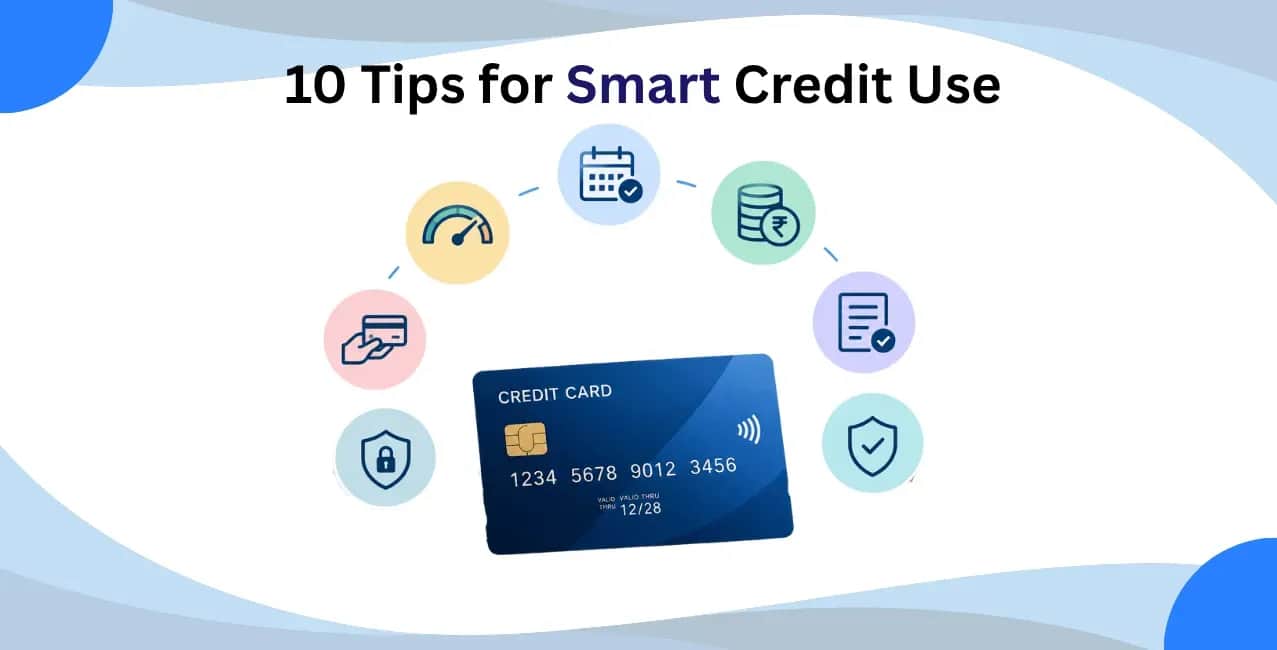
Credit cards as a financial tool are not bad, but managing them in an unusual way can be bad. One needs smart credit card usage tips to handle credit cards in the right way.
1. Make a smart monthly plan
You need to set a spending limit for every month. This helps you lower unusual spending. Keep some room for your other bills too. This way, you can avoid putting more money on the card than you can pay later.
2. Check Your Credit Card Statement
Check your credit card statement every month. It will show the payments and charges made through your card. Going through the statement can help you know where you have spent your money. It can also help you find any payment that you do not remember making.
3. Keep Track of Your Spending
When you use a credit card often, it can be hard to remember every payment you make. So, just check your card activity once in a while. You will get an idea of where most of your money is going. If you see that you are spending a lot on things you can do without, try to avoid those purchases.
4. Know Your Billing Cycle
You should know your credit card billing date and payment due date. This will help you plan your payments better. If you want to make a big purchase, check your billing cycle before using the card. This can give you a better idea of when the amount will appear on your bill and when you need to pay it.
5. Set Spending Alerts
Credit card spending alerts can help you keep an eye on your payments. You can set an alert for a certain spending amount if your card provides this option. You will then know when your spending reaches that amount. Transaction alerts can also help you notice any payment that you did not make.
6. Pay Your Bill on Time
Once you get your credit card bill, check the payment due date. Late payment can be a financial burden on you because the issuer may add an extra charge to it. Also, before making a purchase, verify whether you'll pay for it when the bill arrives.
7. Use Your Reward Points
Reward points can be useful if you actually use them. This is why it is important to check the card to know what kind of points you can gain while you shop, travel, etc. Some points may also have a time limit, so check that before they expire.
*T&C Apply
Cards can have different offers and benefits. So, use the card that suits your purchase if you hold multiple credit cards. For example, if a card gives better offers on travel, you can use it for your travel bookings. Just check the benefits of your card before making the payment.
9. Convert Your Purchase into EMIs
For a costly purchase, paying the full amount at once may not always be easy. If your card gives you an EMI option, you can split the amount into smaller monthly payments. Before converting the purchase, check the interest and other charges. Also, make sure the EMI amount is easy for you to pay every month.
10. Use Your Card Safely
Use your credit card only on websites and at shops you trust. Do not enter your card details on unknown websites or random links. Before you pay, check the amount once.
Hence, these are the 10 smart credit card management tips for responsible credit card use.
The credit card needs a smart approach rather than being considered a financial tool. Managing it in the proper way can benefit the borrower in multiple terms, like credit history, score, and future borrowings. Hence, improper credit card management can lead to a financial burden on the borrower.
A credit card is a financial tool provided by banks or financial institutions to eligible people, which offers a short-term loan.
Yes, you can have more than one credit card. Hence, there is no limit provided by the regulators to justify the number of credit cards one can hold.
Yes, one can have 2 different credit cards from the same lender as long as you meet their eligibility criteria.
If you miss a credit card instalment, the issuer may charge a late fee or other charges. It may also affect your credit record, depending on the situation.
Credit cards can lead to extra charges if you do not pay your dues on time. Spending more than you can repay may also make it harder to manage your money.
The three basic tips one needs to follow while holding a credit card are: Keep track of your spending, pay your credit card bill on time, and try not to spend more than you can repay.
Converting a credit card purchase into EMI may involve interest or other charges as per the lender's policies. Check the EMI terms before making the conversion.
Several credit cards provide cashback or reward facilities to people based on their features, which vary from one card to another.
Credit cards can make payments easier and may also offer rewards or other benefits. They can also be useful when you need to manage an unexpected expense.
A credit card can become a financial burden if you spend more than you can repay. Unpaid dues may also lead to extra charges and make it harder to manage your bills.