Check AI Loan Optimisation Plans to Reduce Your EMI

Disclaimer: The information published on LoansJagat is intended for general informational and educational purposes only and should not be considered financial, legal, or investment advice. Interest rates, loan terms, statistics, and other data may change over time and may vary by lender or source. Please verify the latest information and consult a qualified financial advisor or the respective Bank/NBFC before making any financial decisions.
Subscribe Now
About the author

Darshana Patel is a finance and tech writer with a strong background in journalism, financial economics, and political science, working with Loans Jagat. She has immense experience writing content through her previous work in fintech and edtech companies. Her contribution at Loans Jagat is to simplify finance-backed content and academically powered content for the readers.
Related Blog Post
Simplify All Your Loans Into One Affordable EMI

Customers Served

Debt Consolidated

1200+ Reviews

Locations in India
Club all Loans & Credit Card Bills into Single EMI

Quick Apply Loan
Consolidate your debts into one easy EMI.

Takes less than 2 minutes. No paperwork.

10 Lakhs+
Trusted Customers

2000 Cr+
Loans Disbursed

4.7/5
Google Reviews

50+
Banks & NBFCs Offers
A credit card is a payment tool used to make purchases or payments up to a credit limit. It may also include diverse features, credit card benefits, and spending limits, based on the credit card issuer’s terms and conditions. Multiple issuers may differ in the types of credit cards based on their eligibility criteria and assessment. A credit card can be advantageous if managed properly, as it can help build a positive credit history and improve future borrowing prospects.
Key Takeaways

A credit card is not limited to being a transactional tool, but it also brings major benefits for the cardholder. This can be in terms of providing flexible usage, benefits, and other advantages.
A credit card can be used for a variety of payments such as booking a cab or movie ticket, buying various gadgets, etc. The card’s flexibility is determined by its functions and the available payment methods of the chosen store.
Credit cards present a convenient mode of payment, as they allow one to make purchases without having to carry cash and write cheques. Depending on the issuer and supported services, you may link your credit card to a digital wallet and make contactless or QR-code payments at participating merchants.
You can use credit cards to make payments for expenses such as phone, electricity, and gas bills, where supported by the service provider. Automating payments helps you avoid missing due dates. Ensure sufficient available credit on your credit card and check that the payment is successful.
A credit card provides a simple mode of payment for many online services, such as mobile recharge and flight ticket bookings. This enables one to make payments digitally instead of using cash if the payment options are available online.
The credit card may offer an interest-free period if you pay the entire outstanding balance by the due date, subject to the issuer's terms and conditions. This may help in managing expenses, as long as the amount owed is paid in full within the specified period.
Certain credit cards benefit their holders by entitling them to receive reward points for purchases made with them. These can be exchanged for goods, coupons, travel tickets, or other rewards, depending on the credit card company’s reward programme and terms.
Some credit cards entitle their holders to cash back, discounts or waivers of fuel surcharge for certain purchases. Cashback and discounts may well depend upon the card, the retailer and the terms and conditions.
The credit card statement will present the information on payments that have been made with this card. This information may be used to review expenses incurred and may help to set a monthly budget based on the credit card usage.
A credit card can offer added security by limiting the amount of cash that one carries on their person. In the case that one's card is stolen, they can call the issuer and have the card cancelled and a new one issued. However, it is important to report lost cards as soon as possible and take heed of the security measures that the issuer recommends.
The responsible use of a credit card can improve one’s credit history. In particular, timely payments may help to build the credit history. A clean credit history can make an application for a loan or another card more successful, depending on the standards of the financial institution.
The reasons to use a credit card generally include various credit card benefits, like rewards, cashback programmes, convenient tracking of expenses, etc., through regular and responsible spending. Select the right card for you, which will best suit your spending habits and repayment abilities.
If you need funds for a larger purchase, you can apply for a personal loan from LoansJagat. It helps you connect with the right RBI-approved lenders.
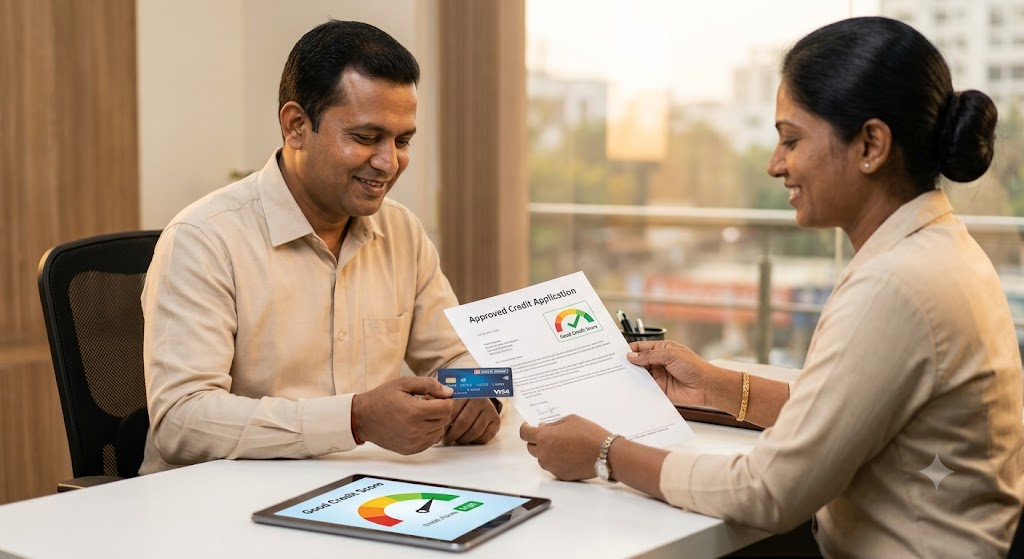
Though getting a credit card can be a helping hand for the cardholder, it can be more useful if you consider it with proper usage.
A credit card can help you make purchases when you do not have sufficient funds immediately, provided you have an available credit limit. But if you maximise your credit card spending, then this can lead to a burden on you financially. This is because credit cards offer a type of loan that you need to repay by a payment due date, or the burden might increase.
A credit card comes with the responsibility to manage it properly. Improper management can lead to hurting your credit report. This can also lead to a financial burden on you with interest payable and other charges based on the issuer's terms. So, before planning to get a credit card, make yourself ready to take this responsibility.
Getting a credit card can be fascinating, but charges on it can be a nightmare. Therefore, it is important to know credit card charges or fees before you apply for a credit card. This is because it can affect your financial management.
Before choosing a credit card, one needs to evaluate one's payment behaviour, ability to repay, and associated fees to make an informed choice. Such considerations will help you enjoy the advantages of a credit card.
Credit cards are beneficial because they enable cardholders to make transactions conveniently, earn rewards and cashback, and keep track of expenses. It is essential to choose a credit card that suits your spending habits and repayment capacity. This helps you avoid repayment difficulties and additional charges.
Getting a credit card depends on the eligibility criteria and assessment of the issuer.
Applying for a credit card is a personal choice. Eligible individuals who need a convenient payment facility can apply for one, subject to the issuer's terms and conditions.
Some banks offer credit cards based on their respective terms and conditions, eligibility criteria, and assessment of applicants.
The advantages of a credit card are that it may help you build a positive credit history if managed properly and provide financial flexibility during emergencies.
There are multiple types of credit cards offered by banks in India, like personal credit cards, co-branded credit cards, travel credit cards, etc.
The major drawbacks of credit cards are that they can be a reason for financial burden if not managed properly. Also, it may come with additional charges such as an annual fee, interest rate, etc., depending on the issuer’s terms.
Making payments on time and clearing outstanding dues may help a cardholder build a positive credit history.
Before getting a credit card, consider the applicable fees and charges, your spending habits, and your ability to repay the outstanding balance by the due date. This can help you manage your finances responsibly and avoid unnecessary charges.
The age eligibility criteria for credit cards may vary by issuer and card type. Therefore, not all credit cards have the same minimum or maximum age requirements.
Poor management of credit cards can lead to late payments, additional interest charges, and challenges in managing outstanding dues. The effects are dependent on how you use it and the terms and conditions of the issuer.
Start your journey today
Apply Now*T&C apply