By continuing, you agree to LoansJagat's Credit Report Terms of Use, Terms and Conditions, Privacy Policy, and authorize contact via Call, SMS, Email, or WhatsApp
Disclaimer: The information published on LoansJagat is intended for general informational and educational purposes only and should not be considered financial, legal, or investment advice. Interest rates, loan terms, statistics, and other data may change over time and may vary by lender or source. Please verify the latest information and consult a qualified financial advisor or the respective Bank/NBFC before making any financial decisions.
Subscribe Now
About the author

Vidhi Chauhan is a copywriter and content writer with extensive experience creating high-quality, SEO-driven content across multiple industries, with a strong focus on fintech. She has written extensively on GST, banking, personal loans, business loans, credit cards, income tax, insurance, and other financial topics, helping Indian readers understand complex concepts through clear, accurate, and engaging content.
Related Blog Post
Simplify All Your Loans Into One Affordable EMI

Customers Served

Debt Consolidated

1200+ Reviews

Locations in India
Club all Loans & Credit Card Bills into Single EMI

Quick Apply Loan
Consolidate your debts into one easy EMI.

Takes less than 2 minutes. No paperwork.

10 Lakhs+
Trusted Customers

2000 Cr+
Loans Disbursed

4.7/5
Google Reviews

50+
Banks & NBFCs Offers
The repayment of the loan involves repayment of the borrowed amount together with the interest charged thereon within the tenure period of the loan agreement. The repayment amount and timing depend upon various considerations such as the amount borrowed, the interest rate applicable, and the mode of repayment of the loan amount. Most of the retail loans are usually repaid in the form of Equated Monthly Installments (EMIs). However, some other loans may involve different methods of repayment of loans such as the bullet repayment method, which requires the borrower to repay a large amount of the loan at the end of the tenure period of the loan. Knowledge about these concepts can enable the borrower to determine the true cost of borrowing, select an appropriate repayment pattern, and manage their monthly budget accordingly. Let us look at the various components and types of loan repayment.
Timely loan payments generally support a healthy credit history, although they do not guarantee a particular credit score.
Loan repayment is simply the process of repaying the borrowed funds to the lending organisation in accordance with the terms that have been outlined in the loan contract. Loan repayment involves two key elements, namely the principal and the interest on the loan.
The principal is the actual amount that was borrowed, whereas the interest is the charge for borrowing the money. There are different ways to repay the borrowed money depending on the nature of the loan and its agreement with the lending organisation.
In retail loans, the repayment of the loan is usually through Equated Monthly Installments (EMI). EMIs mostly consist of some amount to be paid towards the principal and interest. This is done until the time that there is no remaining amount to be paid against the loan.
Repayment is essential since failure to pay timely installments could attract extra fees or even affect your credit score negatively. On the other hand, making EMI payments on time generally helps maintain a healthy credit history, although several factors can influence the credit score.
Some of the factors that affect the amount that needs to be paid back and the tenure are as follows. When you know these factors, it will help you know how expensive the loan is before you take it.
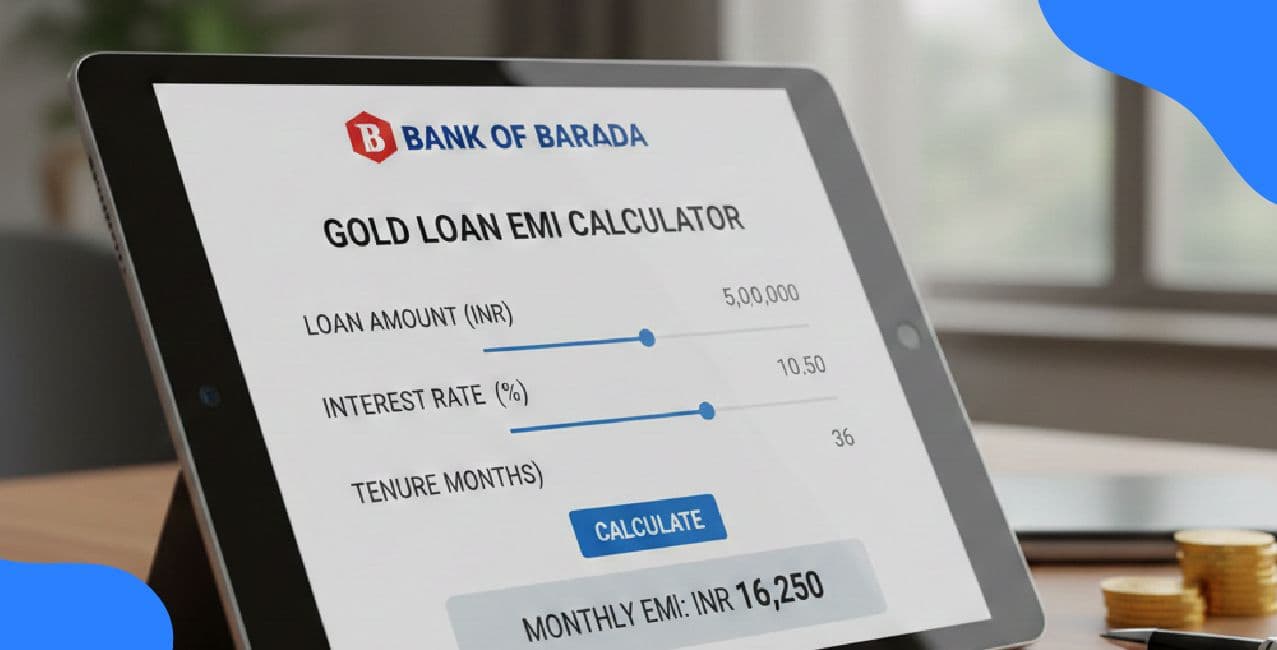
The principal amount refers to the amount of money that you borrow from the lender. If you are borrowing ₹5,00,000, then ₹5,00,000 becomes your principal amount.
The principal amount affects the overall repayment obligation. The more principal amount you have, the bigger the EMI or the tenure.
Interest rate refers to the cost levied on the money lent by the lender. The interest rate is always indicated as a percentage per year.
This depends on the type of loan, where the interest rate can be fixed or variable. For a floating-rate loan, a change in the interest rate may affect the EMI, the loan tenure, or both, depending on the terms of the loan agreement.
It is therefore crucial to compare interest rates when choosing the right loan.
The loan tenure means the time within which the borrower should pay back the loan. The loan tenure may be different due to the kind of loan taken by the person, the policies of the lending agency, and the qualifications of the person taking the loan.
The longer the tenure is, the lower the amount of installments will be, thus making it easier to pay back. On the other hand, it might lead to paying more interest.
The number of installments refers to the total number of installments that will be required to repay the entire loan amount. In the case of monthly EMIs, the number of installments usually depends on the period of time for which the loan has been taken.
For instance, a loan taken for three years with monthly installments would require 36 installments.
The repayment structure depends on the type of loan taken and the arrangement reached with the lender. Some of the popular repayment structures include EMIs and bullet payments.
EMIs refer to the periodic repayment amount paid by the borrower to settle the loan.
Generally, an EMI contains both interest and principal. In the beginning, there would be more interesting components than principal components. As the principal reduces, the interest components would reduce, and the principal components would increase.
EMI-based repayment structure is popular in products like personal loans, home loans, and vehicle loans.
Some of the greatest benefits associated with EMIs are that they are predictable. As the borrower knows how much money should be paid and when to pay, he/she can plan their budget accordingly.
In the case of a bullet payment scheme, the whole principal amount is paid by the borrower in one big lump-sum payment after the completion of the agreed term of the loan. The borrower can pay the interest periodically depending on the type of product during the tenure period.
This scheme of repayment is applicable to some types of short-term finance arrangements and some financial products.
As there will be a large amount payable after the completion of the tenure period, the borrower needs to know about the terms of repayment and arrange the necessary amount accordingly.
Cost and affordability of the loan may differ depending upon the person availing the loan. Various elements affect the loan repayment.
*T&C Apply
Income is an essential element that helps in calculating whether you will be able to pay back the loan regularly. Stable and steady income makes it easy for you to handle the monthly instalments.
Before taking a loan, take into consideration all your financial obligations and monthly expenses. EMI should not burden you excessively every month.
The interest rate influences the total expenditure involved in borrowing money. Small differences in the interest rate may influence the total expenditure on the loan.
While making the comparison between two loans, one should take into account not only the EMI but also the interest rate and the total amount repayable.
The loan amount and the tenure chosen for the loan are also factors that influence the total repayment. Large amounts will increase the instalment, whereas the longer tenure will increase the total interest on the loan.
The right choice of balance between EMI and total borrowing cost will help to control the loan better.
The conditions that you get from any lender will depend on your credit history. Your good repayment history is likely to give you an opportunity to receive favorable loan terms depending on the lender's criteria.
In case of a missed or late payment history, things will be hard for you.
Loan repayment involves returning the borrowed principal along with applicable interest within the agreed tenure. When you get to know about EMIs, bullet payments, interest rates, loan tenure, and credit history, it can help you choose suitable repayment options. Timely payments, careful financial planning, and comparing borrowing costs can make loan repayment more manageable and financially sustainable.
The default of payments may lead to penalties and negative marks from the credit agencies on behalf of the lending organisation. This might impact future borrowings in terms of the conditions set by other lenders.
Yes, there are opportunities for paying the loan earlier than the planned maturity date via foreclosure or partial prepayment, depending on the conditions set by the lending agency. Any applicable prepayment or foreclosure charges depend on factors such as the loan type, lender, loan terms and applicable RBI rules.
Partial prepayment helps in decreasing the outstanding loan balance; hence, future interest will be calculated for a smaller amount.
The pre-payment is a method of payment of some extra amount of the remaining principal on the loan. The foreclosure refers to paying the complete amount of the loan before the maturity of the loan and closing the loan account. Any charges associated with prepayment or foreclosure depend on the loan type, lender, applicable loan terms and relevant RBI rules.
A borrower can monitor his/her outstanding principal and repayment schedule through the online banking account or the loan statement provided by the lender.
The Amortisation Schedule refers to the schedule of repayment of the loan over the tenure of the loan.
It may be possible for some lenders to give permission for changing loan repayment dates based on the loan policy and agreement between both parties. Approval depends on the evaluation made by the loan officer.
Once the loan is repaid, the borrower should get an agreement on the loan repayment statement from the lender. In the case of secured loans, it is crucial that the lien is released as well.
A loan repayment schedule refers to a statement that shows the dates the repayments will be made, instalments, and outstanding balances during the loan repayment process. It helps the borrower to know the expected date when the entire loan will be repaid.
Under certain situations, the borrower can make a request to change the repayment terms, such as tenure. This can either increase or reduce the total cost of the loan.