By continuing, you agree to LoansJagat's Credit Report Terms of Use, Terms and Conditions, Privacy Policy, and authorize contact via Call, SMS, Email, or WhatsApp
Disclaimer: The information published on LoansJagat is intended for general informational and educational purposes only and should not be considered financial, legal, or investment advice. Interest rates, loan terms, statistics, and other data may change over time and may vary by lender or source. Please verify the latest information and consult a qualified financial advisor or the respective Bank/NBFC before making any financial decisions.
Subscribe Now
About the author

LoansJagat Team
‘Simplify Finance for Everyone.’ This is the common goal of our team, as we try to explain any topic with relatable examples. From personal to business finance, managing EMIs to becoming debt-free, we do extensive research on each and every parameter, so you don’t have to. Scroll up and have a look at what 15+ years of experience in the BFSI sector looks like.
Related News
Simplify All Your Loans Into One Affordable EMI

Customers Served

Debt Consolidated

1200+ Reviews

Locations in India
Club all Loans & Credit Card Bills into Single EMI

Quick Apply Loan
Consolidate your debts into one easy EMI.

Takes less than 2 minutes. No paperwork.

10 Lakhs+
Trusted Customers

2000 Cr+
Loans Disbursed

4.7/5
Google Reviews

50+
Banks & NBFCs Offers
Other services mentioned in this article
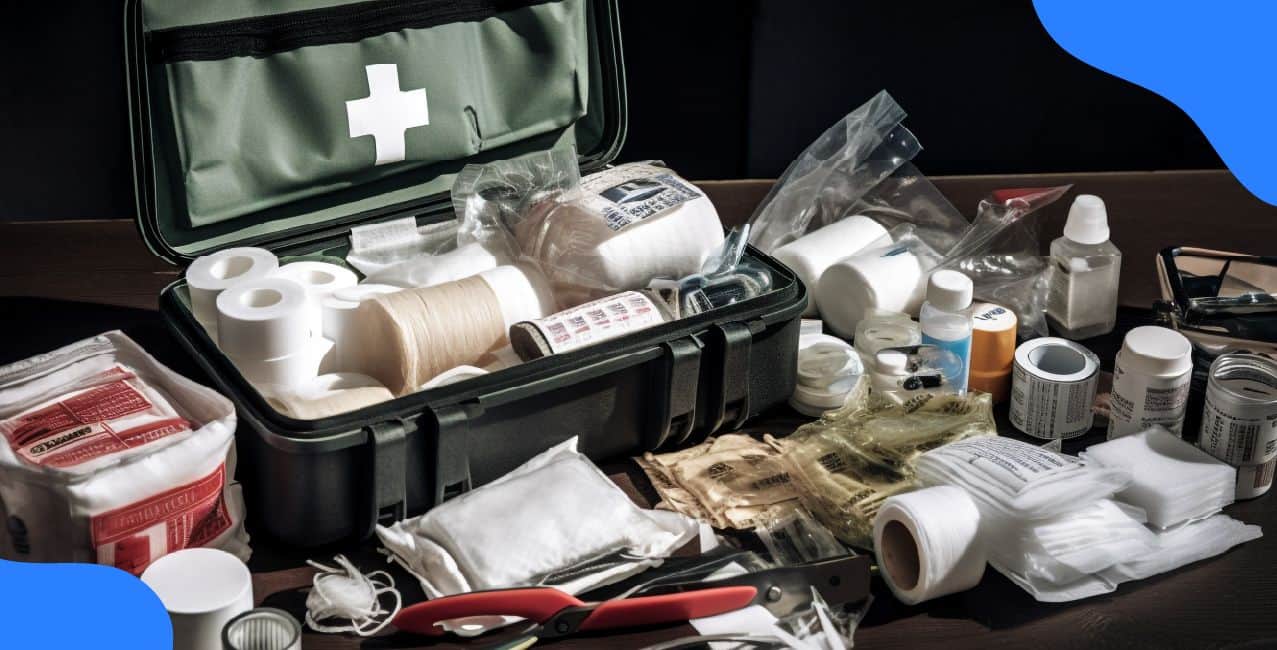
Medical emergencies are becoming a significant trigger for personal loans in India, reflecting persistent gaps in financial protection and rising healthcare costs. A recent Paisabazaar consumer insights report highlights how illness and urgent health needs are driving unsecured borrowing, especially in urban centres. These trends reveal much about household financial behaviour and the pressures faced by families without adequate insurance coverage.
Medical emergencies accounted for 11 per cent of personal loans across India, according to the report. In Tier-I cities, this share rises to 14 per cent of borrowers, whereas it stands at 10 per cent in Tier-II and 8 per cent in Tier-III urban areas. This distribution suggests that even in higher-income urban centres, unexpected healthcare bills strain household finances.
These loans offer speed and accessibility at a time when other financial tools fall short. Personal loans are usually unsecured, requiring minimal documentation and disbursing funds rapidly—often within 24–48 hours. This immediacy helps families bridge large, sudden expenses when savings or insurance are inadequate.
Low health insurance coverage contributes directly to this trend. Only about 40–42 per cent of Indians have health insurance, leaving most households to cover the majority of medical costs out of pocket. National health accounts data indicate that nearly 40 per cent of healthcare spending in India comes directly from patients’ pockets, exacerbating the financial shock of illness.
Read More - 11% Indians Borrow Personal Loans For Medical Emergencies, Tier 1 Highest At 14%
Borrowing Across Needs
The report also shows that healthcare is just one among several motives for personal loans. Nearly 48 per cent of borrowers use credit for essential needs such as daily expenses, while 36 per cent borrow for lifestyle goals and 16 per cent for business purposes. Weddings, home repairs, and celebratory events also feature as common triggers.
This pattern indicates that personal loans have shifted from being purely emergency instruments to broader financial tools used for both necessity and aspiration. Despite this diversification, urgency remains a core reason, with medical emergencies frequently pushing households toward credit rather than risk-mitigating mechanisms like savings or robust insurance.
Borrowing behaviour varies across regions and tiers. In South India, personal loans for essential daily needs are especially high, pointing to broader consumption pressures in that region. Tier-III city borrowers, meanwhile, are more than twice as likely to rely on credit for daily essentials than those in Tier-I cities, reflecting differing income stability and financial buffers across urban hierarchies.
Interestingly, adoption of digital channels for personal loans, while growing, remains limited. Only about 32 per cent of borrowers applied online; many still prefer physical branches for support, reassurance and clarity around terms.
Also Read - Healthcare Bills Are Driving More Indians to Personal Loans
The Broader Debt Context
*T&C Apply
At the same time, a shift toward non-emergency uses—such as lifestyle purchases and business investment—signals a cultural change in how credit is viewed. Up to 47 per cent of personal loans, in some industry data, are taken for lifestyle reasons, further blurring the line between necessity and discretionary use.
Medical expenses remain unpredictable and often expensive. When insurance coverage is limited and costs escalate faster than incomes, families turn to personal loans as a quick solution. But this convenience comes at a cost: personal loans carry interest and repayment obligations that can strain monthly budgets and, over time, lead to stress and potential defaults if not managed carefully.
Improving health insurance penetration and financial literacy around credit could help households manage risk and reduce over-reliance on unsecured borrowing for essential needs. For now, the trend shows that illness is not just a health issue—it’s a financial one too.









.png&w=3840&q=75)



