By continuing, you agree to LoansJagat's Credit Report Terms of Use, Terms and Conditions, Privacy Policy, and authorize contact via Call, SMS, Email, or WhatsApp
Disclaimer: The information published on LoansJagat is intended for general informational and educational purposes only and should not be considered financial, legal, or investment advice. Interest rates, loan terms, statistics, and other data may change over time and may vary by lender or source. Please verify the latest information and consult a qualified financial advisor or the respective Bank/NBFC before making any financial decisions.
Subscribe Now
About the author

LoansJagat Team
‘Simplify Finance for Everyone.’ This is the common goal of our team, as we try to explain any topic with relatable examples. From personal to business finance, managing EMIs to becoming debt-free, we do extensive research on each and every parameter, so you don’t have to. Scroll up and have a look at what 15+ years of experience in the BFSI sector looks like.
Related News
Simplify All Your Loans Into One Affordable EMI

Customers Served

Debt Consolidated

1200+ Reviews

Locations in India
Club all Loans & Credit Card Bills into Single EMI

Quick Apply Loan
Consolidate your debts into one easy EMI.

Takes less than 2 minutes. No paperwork.

10 Lakhs+
Trusted Customers

2000 Cr+
Loans Disbursed

4.7/5
Google Reviews

50+
Banks & NBFCs Offers
Other services mentioned in this article
P&G India states rising food, fuel, and packaging prices are causing families to opt for smaller packages, cheaper brands, and delays in buying, all of which could affect demand in the near future.
Key Highlights
The Times of India reported that P&G India discussed rising inflation, higher crude oil prices and weaker consumer spending during an analysts meeting on June 16, 2026.
The warning arrived as India’s retail inflation climbed to 3.93% in May 2026 from 3.48% in April, Reuters reported on June 12. A larger part of household income is now going towards vegetables, commuting and healthcare. Shampoo, detergent and grooming products are left to compete for the money still available.
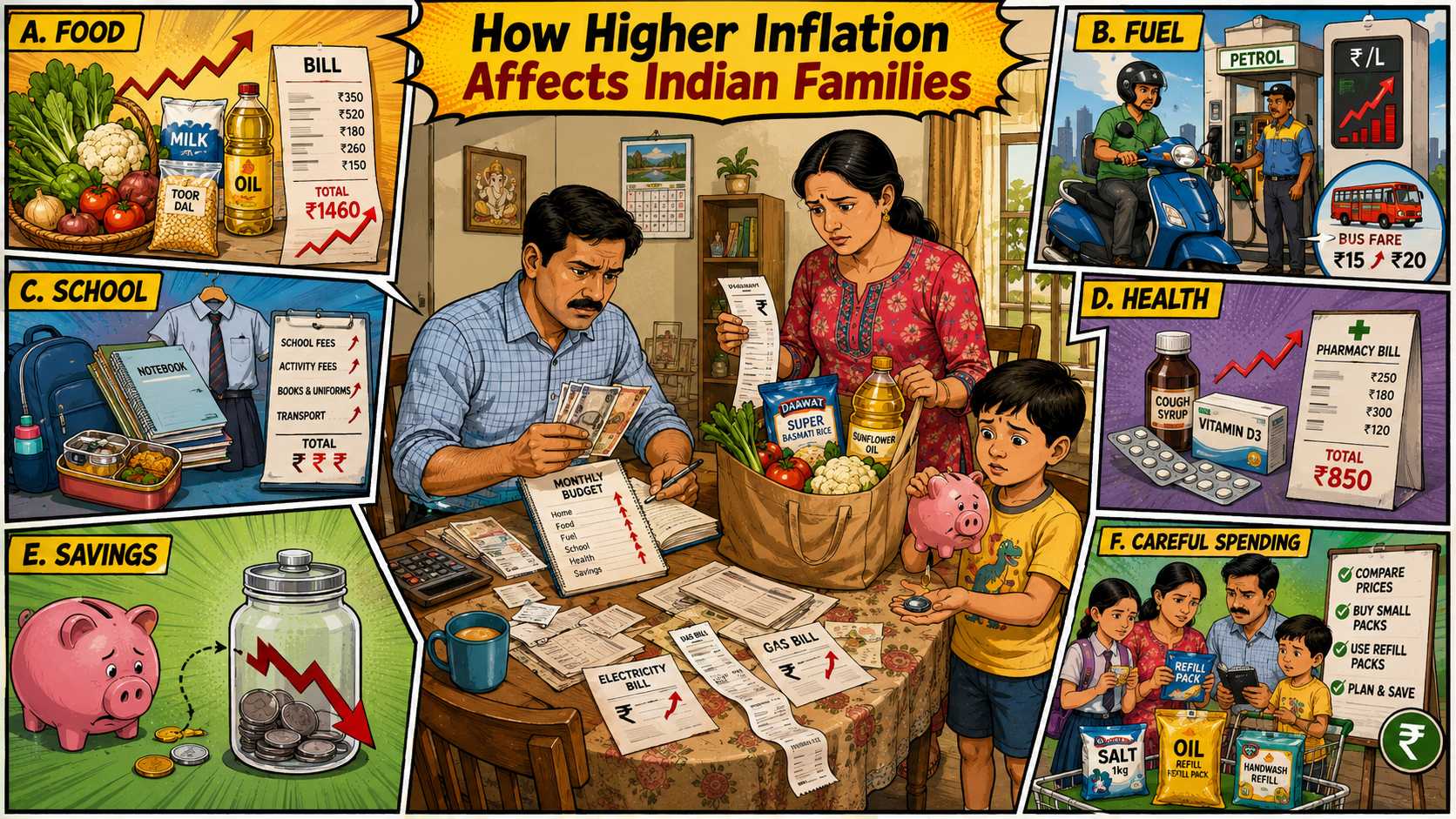
Picture a family paying more for tomatoes, the school van and cooking fuel in the same month. The large detergent pack can wait. A smaller pouch may go into the basket instead, or the shopper may pick a cheaper label that costs ₹10 less.
Sachets often cost more for the quantity supplied. Buyers know this in many cases, but the immediate payment is smaller. At the counter, that can settle the decision.
The May inflation figures show where the pressure has built.
FMCG companies still have room to compete on price, though large reductions may be difficult. Refill packs use less packaging. A short discount can pull back a customer who planned to delay the purchase. Products that last longer may also sell better when shoppers are counting each expense.
Freight, plastic and factory bills remain high, so companies cannot cut prices across every product without taking a hit.
A LoansJagat report published on June 5, 2026, had already drawn attention to food prices and weaker rainfall. It cited April retail inflation of 3.48%, food inflation of 4.20% and a monsoon forecast at 90% of the long-period average.
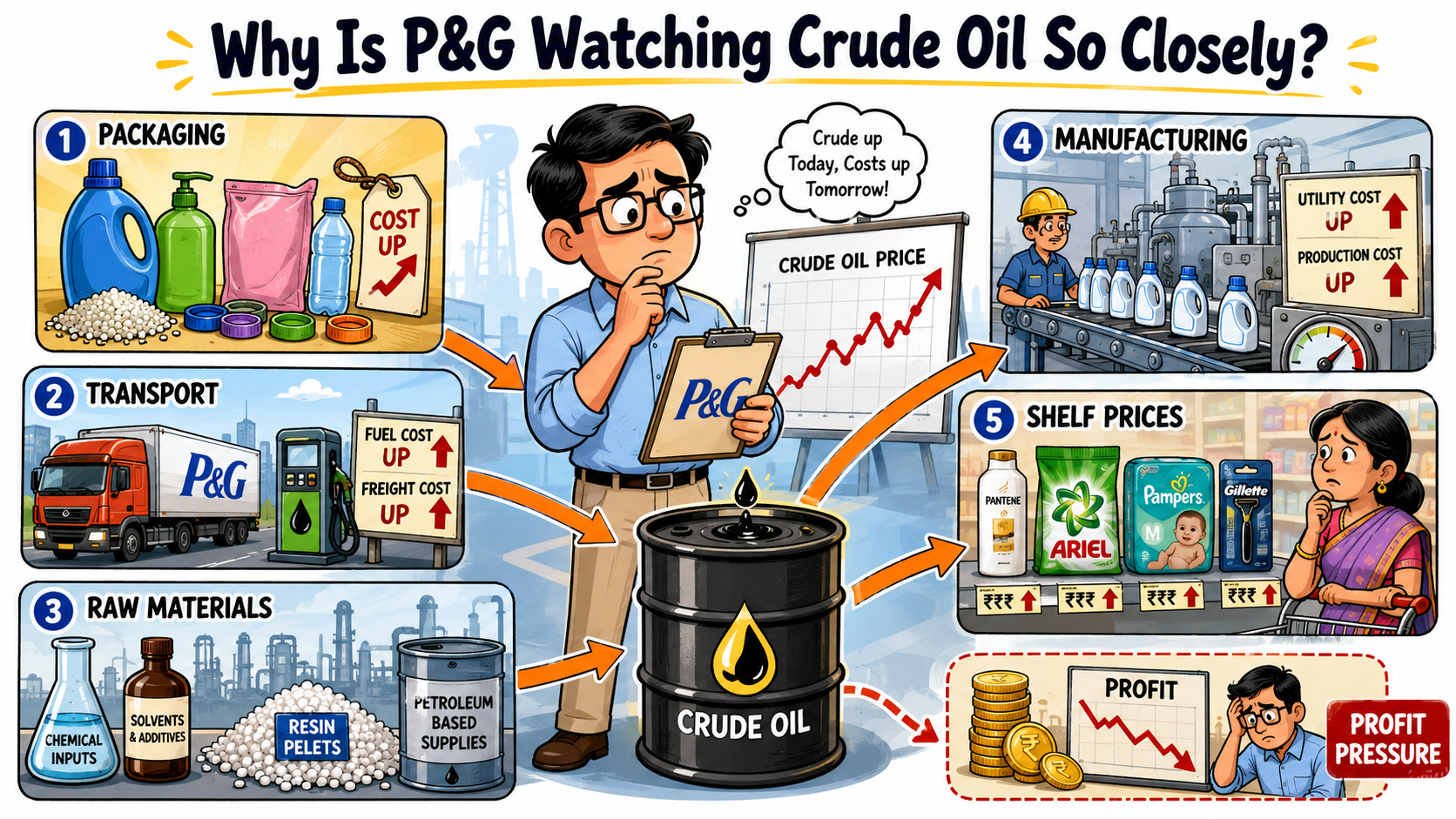
P&G India said swings in crude prices had lifted its plastic costs by nearly 50%. They are all over supermarket shelves, and are easily spotted. Detergent and shampoo as well as their refill pouches and packaging all utilize plastic.
Rising oil prices increase costs for the raw materials needed to produce packaging as well as shipping and delivery costs to get goods to sale locations. A rise at the crude level can therefore turn up in several parts of the bill.
P&G had already described the broader global cost risk in April.
Brian Mulberry of Zacks Investment Management told Reuters that price increases had supported much of P&G’s revenue growth. Companies cannot keep leaning on higher prices without testing customer loyalty. A buyer may accept one increase, then move to a smaller pack or another brand after the next one.
Food and travel bills are paid first in most homes. Once those take a larger share of income, less remains for EMIs, savings and sudden costs such as medicines or repairs.
LoansJagat had already flagged the strain linked to rising food prices and weaker rainfall prospects. Fresh unsecured credit may cover a short gap, but it also creates another repayment in the following month, when the household budget could still be tight.
P&G’s warning suggests a harder spell for families and consumer-goods companies. Shoppers may keep buying essentials, but pack sizes, discounts and cheaper brands will carry more weight. Relief now depends heavily on crude prices, rainfall and food supply.
*T&C Apply
What Caused the Increase in Retail Inflation in May 2026?
Higher food and transport prices took the rate to 3.93%.
How Much Did P&G’s Plastic Costs Increase?
P&G India reported an increase of nearly 50%.
What Could Ease the Pressure?
The cost for crude keeps falling while supply for necessities and rainfall are also steady. Prices may not need to increase again.
Can P&G Profile Customers to Keep Raising Prices?
P&G may continue to increase prices, but continuous price increases may lose customers to those who sell smaller packages, offer better deals, and sell more affordable items.
Why is Procter & Gamble Increasing Prices to Balance Tariffs?
Procter & Gamble may increase prices as tariffs increase and so do raw goods, packaging, and even complete products.
Related News Updates | |||









.png&w=3840&q=75)



