By continuing, you agree to LoansJagat's Credit Report Terms of Use, Terms and Conditions, Privacy Policy, and authorize contact via Call, SMS, Email, or WhatsApp
Disclaimer: The information published on LoansJagat is intended for general informational and educational purposes only and should not be considered financial, legal, or investment advice. Interest rates, loan terms, statistics, and other data may change over time and may vary by lender or source. Please verify the latest information and consult a qualified financial advisor or the respective Bank/NBFC before making any financial decisions.
Subscribe Now
About the author

LoansJagat Team
‘Simplify Finance for Everyone.’ This is the common goal of our team, as we try to explain any topic with relatable examples. From personal to business finance, managing EMIs to becoming debt-free, we do extensive research on each and every parameter, so you don’t have to. Scroll up and have a look at what 15+ years of experience in the BFSI sector looks like.
Related News
Simplify All Your Loans Into One Affordable EMI

Customers Served

Debt Consolidated

1200+ Reviews

Locations in India
Club all Loans & Credit Card Bills into Single EMI

Quick Apply Loan
Consolidate your debts into one easy EMI.

Takes less than 2 minutes. No paperwork.

10 Lakhs+
Trusted Customers

2000 Cr+
Loans Disbursed

4.7/5
Google Reviews

50+
Banks & NBFCs Offers
Other services mentioned in this article
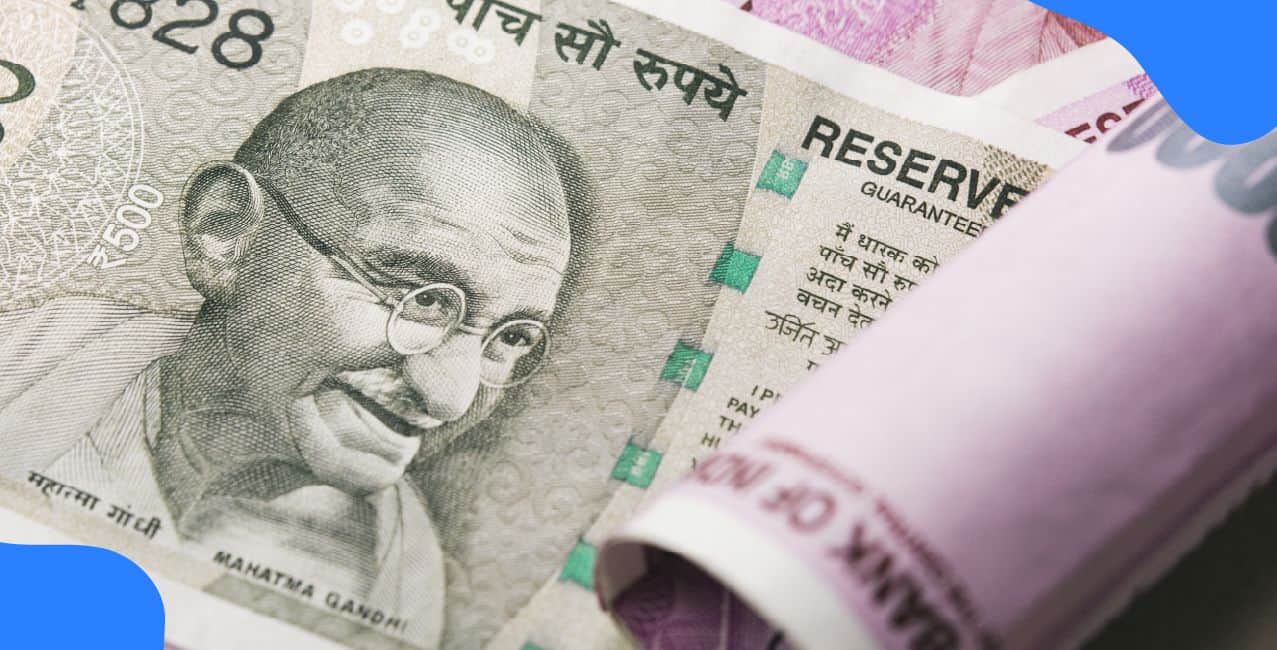
The Indian rupee has been under persistent pressure in recent sessions, testing deep levels against the US dollar. Traders say that weak Asian cues and thin foreign capital flows have put downward pressure on the currency.
The Reserve Bank of India (RBI) has stepped in repeatedly to prevent the rupee from slipping past the psychologically significant ₹92 per dollar mark, though the trend remains fragile and closely watched.
The rupee’s slide reflects several intersecting forces. On January 29, 2026, the currency weakened to near a record low of 91.98 against the dollar before stabilising slightly. Importers and corporates have been busy hedging their dollar exposure, pushing up demand for US currency.
At the same time, foreign portfolio investors have been net sellers of Indian equities this month, reducing the inflow of dollars into the Indian banking and financial system.
Weakness in other Asian currencies and a firmer US dollar have compounded the trend. Equity benchmarks in the region fell alongside US equity futures, which can dampen risk appetite and push investors toward the dollar.
The broader global backdrop, including expectations around interest rate policy by major central banks, has also contributed to renewed foreign exchange volatility.
Market participants acknowledge that the RBI has been a significant stabilising force. Intervention by the central bank, primarily through dollar sales via state-owned banks, helped prevent the rupee from breaching the 92 level. Analysts describe this as a backstop rather than a hard cap, suggesting the RBI aims to contain sudden swings without committing to defending a fixed exchange rate.
Central bank action comes at a price. Liquidity has been a concern, as supporting the currency can drain funds from the banking system. To address this, the RBI recently announced plans to inject more than $23 billion into banking system liquidity through a mix of bond purchases, foreign exchange swaps and repo operations. This dual approach, managing the exchange rate while ensuring sufficient liquidity, highlights the balancing act faced by monetary authorities in current conditions.
Several domestic dynamics have added to the pressure on the exchange rate. Importers, especially those in sectors like bullion, have increased their demand for dollars, putting further strain on forex markets. Meanwhile, exporters have been reluctant to bring in dollar earnings immediately, possibly due to expectations of further depreciation. This reduces the supply of dollars in the domestic market.
Foreign investor sentiment remains cautious, with net sales of local stocks adding to currency weakness. Continued outflows erode the natural cushion that equity inflows provide to support the rupee. Analysts suggest that any breakthrough in trade talks, renewed portfolio inflows, or improvements in global risk appetite could ease pressure on the currency.
Even as the RBI’s actions provide temporary support, the underlying trends indicate persistent pressure. If the rupee were to break and hold above the 92 per dollar threshold, it could signal a shift in market psychology and open the way to further depreciation. That would have broader implications for import costs, inflation, and foreign debt servicing.
Bond markets are also sensitive to currency moves. A weaker rupee may push up yields if investors demand higher compensation for currency risk. This interaction between forex and debt markets underscores the interconnected nature of financial stability in the current environment.
On the external front, weakness in Asian peers and global risk aversion can continue to exert downward pressure. Conversely, any improvements in capital flows or stabilisation in global markets may ease the rupee’s path.
*T&C Apply
The rupee’s recent performance reflects wider financial conditions, with weak flows and stronger dollar demand pushing it toward key levels. The Reserve Bank of India remains a central player, managing volatility through selective intervention while seeking to maintain liquidity in the financial system. How the currency fares in coming weeks will likely depend on foreign capital flows, global risk sentiment and domestic economic indicators, all of which remain in flux at the outset of 2026.









.png&w=3840&q=75)



