By continuing, you agree to LoansJagat's Credit Report Terms of Use, Terms and Conditions, Privacy Policy, and authorize contact via Call, SMS, Email, or WhatsApp
Disclaimer: The information published on LoansJagat is intended for general informational and educational purposes only and should not be considered financial, legal, or investment advice. Interest rates, loan terms, statistics, and other data may change over time and may vary by lender or source. Please verify the latest information and consult a qualified financial advisor or the respective Bank/NBFC before making any financial decisions.
Subscribe Now
About the author

LoansJagat Team
‘Simplify Finance for Everyone.’ This is the common goal of our team, as we try to explain any topic with relatable examples. From personal to business finance, managing EMIs to becoming debt-free, we do extensive research on each and every parameter, so you don’t have to. Scroll up and have a look at what 15+ years of experience in the BFSI sector looks like.
Related Blog Post
Simplify All Your Loans Into One Affordable EMI

Customers Served

Debt Consolidated

1200+ Reviews

Locations in India
Club all Loans & Credit Card Bills into Single EMI

Quick Apply Loan
Consolidate your debts into one easy EMI.

Takes less than 2 minutes. No paperwork.

10 Lakhs+
Trusted Customers

2000 Cr+
Loans Disbursed

4.7/5
Google Reviews

50+
Banks & NBFCs Offers
Other services mentioned in this article
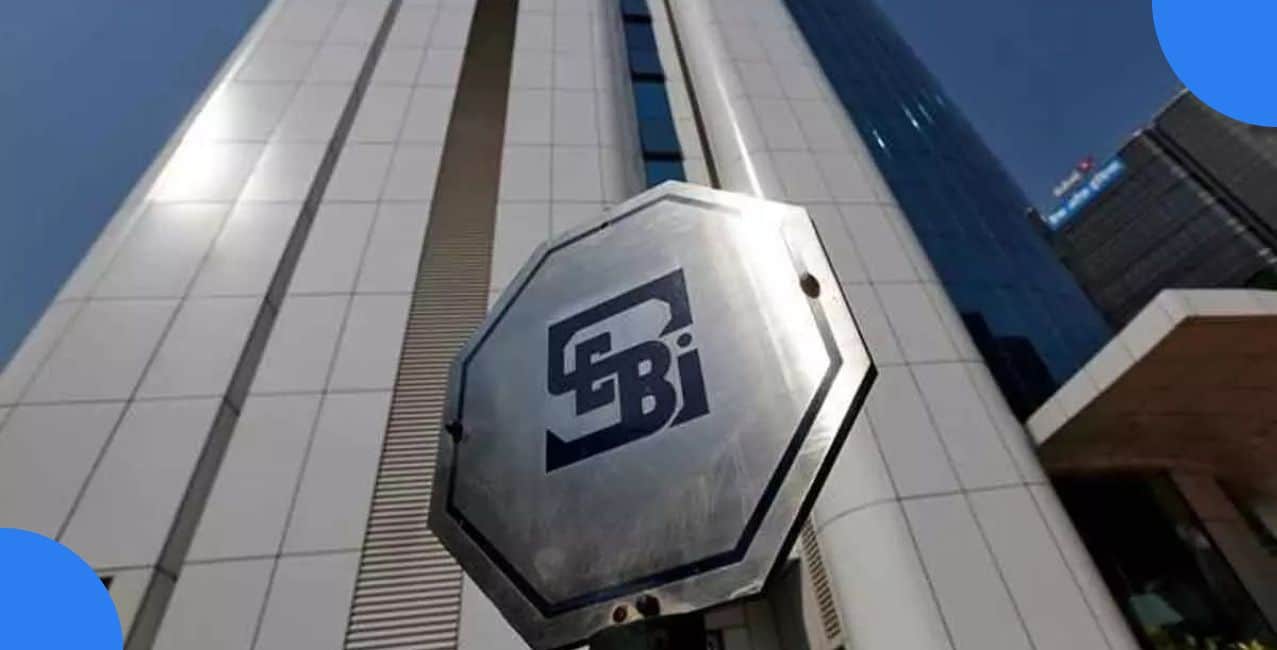
SEBI’s May 4 proposal may allow listed single-asset securitisation, giving lenders more funding flexibility but raising concentration-risk questions for investors.
Key Takeaways
SEBI released its consultation paper on May 4, 2026, seeking changes to the SEBI (Issue and Listing of Securitised Debt Instruments and Security Receipts) Regulations, 2008. Comments can be sent till May 25, 2026. The proposal is aimed at making listed securitisation easier for regulated lenders.
In the short term, banks, NBFCs and housing finance companies may get more room to convert loans into listed securities. In the long term, this can improve liquidity in lending. The concern is that single-asset securities may expose investors to higher borrower-specific risk.
Loan Originator → Asset Pool Or Single Asset → SPDE → Listed SDI → Investors → Servicer Reports Performance
For borrowers, EMIs will not change overnight. But if lenders can raise funds faster through securitisation, credit flow may improve for home loans, vehicle loans, MSME loans and consumer finance.
SEBI’s key proposal is to exempt regulated entities from the rule that no single obligor should form more than 25% of the asset pool at issuance. ET reported that the proposal may allow structures backed by a single asset.
This can help lenders recycle capital, but retail and institutional investors will need sharper asset-level checks before buying such products.
Market participants have told SEBI that differences between present SDI rules and the central bank’s securitisation framework were restricting listed deals. ET LegalWorld said the changes are aimed at facilitating growth in the listed securitisation market.
Angel One said the proposals can improve flexibility and deepen the market, while Kotak Neo highlighted that the current 25% cap blocks listed instruments backed by 1 asset. The practical fix is stronger disclosure by servicers, tighter trustee oversight and simple risk labelling for investors.
For wider lending context, LoansJagat has also tracked recent NBFC regulatory changes, including relief for smaller NBFCs from registration and reserve rules.
*T&C Apply
SEBI’s proposal can expand India’s listed securitisation space and give lenders another funding route. The final rules must protect investors through better reporting, trustee checks and risk disclosure.
What are safer debt investment choices in India apart from bank fixed deposits?
For the debt part of a portfolio, investors can look beyond FDs, but safety should come before returns. PPF, EPF and VPF remain useful for long-term capital protection because of tax benefits and government backing. For short-term needs, liquid funds, money market funds and arbitrage funds can be considered, but returns are not guaranteed.
Gilt funds reduce credit risk because they invest mainly in government securities, but they can still face interest-rate volatility. Corporate bonds, NBFC bonds and SDIs may offer higher returns, but they carry credit and liquidity risks, so they need careful research.
Why don’t banks actively trade or handle shares like stockbrokers?
Banks do not usually deal directly in shares because their main business is accepting deposits, giving loans and managing payments. Share trading is a high-risk activity, while banks work with public money and must follow strict safety rules. If banks freely invested depositors’ money in shares, a market crash could hurt both the bank and customers.
That is why share trading is mostly handled by stockbrokers, mutual funds and investment firms. Some banks still offer demat, trading or investment services through separate subsidiaries, but normal banking operations remain focused on lending, savings and financial stability.
Related Finance News | |||









.png&w=3840&q=75)



