By continuing, you agree to LoansJagat's Credit Report Terms of Use, Terms and Conditions, Privacy Policy, and authorize contact via Call, SMS, Email, or WhatsApp
Disclaimer: The information published on LoansJagat is intended for general informational and educational purposes only and should not be considered financial, legal, or investment advice. Interest rates, loan terms, statistics, and other data may change over time and may vary by lender or source. Please verify the latest information and consult a qualified financial advisor or the respective Bank/NBFC before making any financial decisions.
Apply for Loans Fast and Hassle-Free
Subscribe Now
About the author

LoansJagat Team
‘Simplify Finance for Everyone.’ This is the common goal of our team, as we try to explain any topic with relatable examples. From personal to business finance, managing EMIs to becoming debt-free, we do extensive research on each and every parameter, so you don’t have to. Scroll up and have a look at what 15+ years of experience in the BFSI sector looks like.
Related Blog Post
Simplify All Your Loans Into One Affordable EMI

Customers Served

Debt Consolidated

1200+ Reviews

Locations in India
Club all Loans & Credit Card Bills into Single EMI

Quick Apply Loan
Consolidate your debts into one easy EMI.

Takes less than 2 minutes. No paperwork.

10 Lakhs+
Trusted Customers

2000 Cr+
Loans Disbursed

4.7/5
Google Reviews

50+
Banks & NBFCs Offers
Other services mentioned in this article
Key Takeaways:
Money can be a mischief sometimes. One day, you invest it in something and wait. The very next moment, money will decide whether to put a smile on your face or make you think about your choices. Those numbers you see in your account aren’t just numbers; there is some logic behind every rupee. I know it sounds a bit extravagant, but it is true.
Talking about investments, mutual funds, and other investment platforms have a hidden layer that is calculated behind the scenes. You will never know the actual process, and probably wouldn’t even ask questions about it.
I know this is a bit weird to think about all these things, because what will we do with such information? But trust me, it is important to know such information if you are an investor.
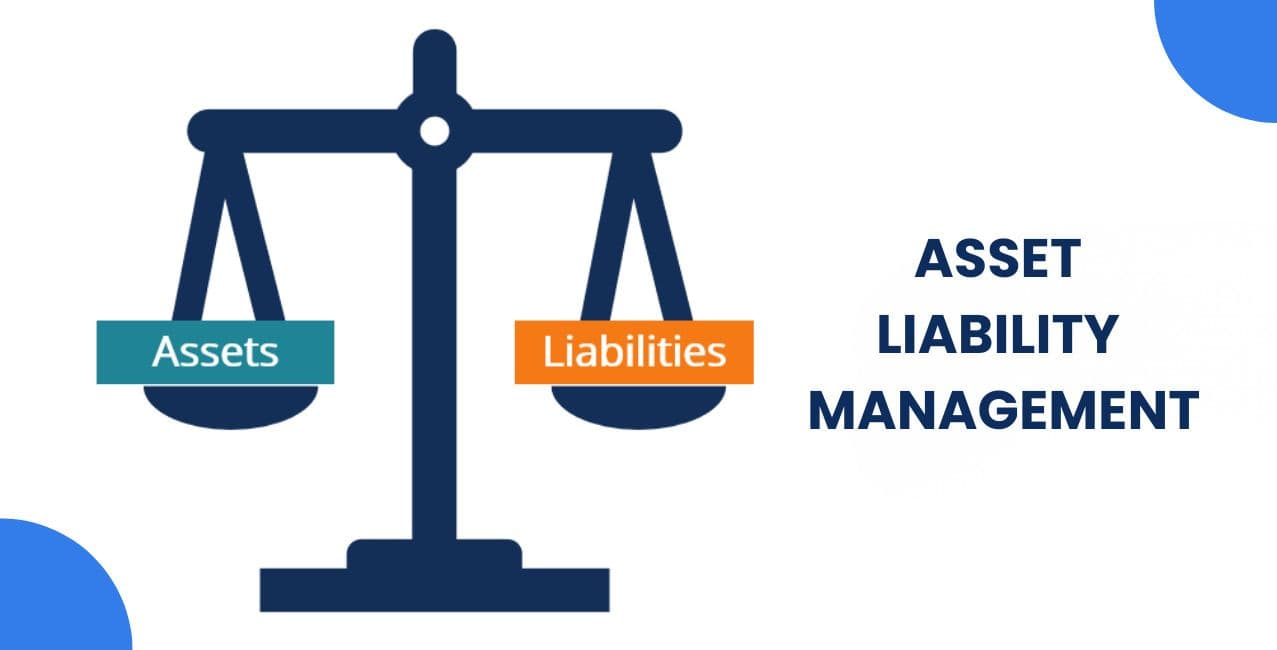
A Net Asset Value reflects the per-share unit price of a mutual fund or exchange-traded fund. This value is calculated daily as the total fund’s assets minus its liabilities. Then whatever is left is divided by the amount of outstanding shares. This approach serves as the key metric for evaluating investments, particularly in mutual funds and private equity.
But how to calculate net asset value? And is there any net asset value formula? Of course. I am not going to leave you hanging with half information. Here is the net asset value calculation of a company using the net asset value formula:
NAV = Assets - Liabilities
NAV per share = (Assets - Liabilities) / Total number of outstanding shares
I know you didn’t understand a word I said above. Don’t worry, scroll a little bit more to learn more about NAV calculations.
Fun fact: Did you know that NAV is calculated every single day, as soon as the market closes? The fund is simply used to check everything that a person owns. Here, all the amounts that he owes are removed, and then the remaining amount is spread across various units.
Hers is how it works:
Here is a simple formula on how to calculate NAV of mutual fund with example:
NAV = (Total Assets − Total Liabilities) ÷ Total Units
Let’s assume a company has:
NAV = (5000 − 50) ÷ 100
NAV = ₹49.5 per unit
Using NAV, individuals can also know how many units they are rewarded with when they invest. Here is how it happens.
Through this table, we can see how the NAV is different, but the total investment values stay the same. The irony is, NAV works like a daily snapshot of your fund’s value, which is updated every day.
Bonus Tip: A fun fact about NAV is that it is not a stock price that can be over- or undervalued as per market demand. The NAV prices here are controlled by demand, and the NAV is controlled by the size of AUM.
NAV calculation for Private Equity also follows the same formula used for the mutual fund calculations. However, the way they handle the situations can be slightly different. With private equity, it's more about timing, estimates, and structure, rather than daily calculations.
How is it different from NAV Mutual Funds? Here are some factors to check this out:
₹100 crore
₹10
*T&C Apply
Below is the simple NAV private equity structure:
NAV = Assets - Liabilities
The structure may look a bit simple, but the process behind it is what makes it different. The NAV private equity has layers of complex turns and twists, which make it more or less direct.
At the end of this amazingly informative article, I have a piece of advice for everyone reading this. NAV is like one of those people who feels confusing at first, but at heart, they are pure gold.
You don’t need to sit and master the formulas or stress about how it will work out. You just need to have a basic idea to feel more on track while checking your investments. At first, it will feel complicated, but with time, it will be easier. Just stay calm, keep things simple, and let things make sense at their own speed.
How do you calculate Net Assets in business?
You just need to subtract the total liabilities from the total assets, and you will get the net assets for your business.
When calculating net assets per share, do you include or exclude equity attributable to non-controlling interests?
It is often excluded if you want value per share for the main shareholders.
What is a net asset value?
NAV is the value of one unit of share remaining after adjusting all assets and liabilities.
Is book value the same as net asset value?
They can be a bit similar, but the book value is for companies, and the NAV is used for funds.
What does intraday net asset value (NAV) mean?
Intraday NAV refers to the estimation shown during the day before the final value is calculated.