By continuing, you agree to LoansJagat's Credit Report Terms of Use, Terms and Conditions, Privacy Policy, and authorize contact via Call, SMS, Email, or WhatsApp
Disclaimer: The information published on LoansJagat is intended for general informational and educational purposes only and should not be considered financial, legal, or investment advice. Interest rates, loan terms, statistics, and other data may change over time and may vary by lender or source. Please verify the latest information and consult a qualified financial advisor or the respective Bank/NBFC before making any financial decisions.
Apply for Loans Fast and Hassle-Free
Subscribe Now
About the author

LoansJagat Team
‘Simplify Finance for Everyone.’ This is the common goal of our team, as we try to explain any topic with relatable examples. From personal to business finance, managing EMIs to becoming debt-free, we do extensive research on each and every parameter, so you don’t have to. Scroll up and have a look at what 15+ years of experience in the BFSI sector looks like.
Related Blog Post
Simplify All Your Loans Into One Affordable EMI

Customers Served

Debt Consolidated

1200+ Reviews

Locations in India
Club all Loans & Credit Card Bills into Single EMI

Quick Apply Loan
Consolidate your debts into one easy EMI.

Takes less than 2 minutes. No paperwork.

10 Lakhs+
Trusted Customers

2000 Cr+
Loans Disbursed

4.7/5
Google Reviews

50+
Banks & NBFCs Offers
Other services mentioned in this article
key takeaways:
Bonus tip: Tokenized RWAs hit over $24 billion in early 2026 after growing 266% in 2025.
Tokenized assets are changing how regular people think about owning things. Ritesh had put his money into a commercial building. But he needed cash to grow his business. Selling the whole building would take too much time. He would also lose it completely. Instead, he turned it into digital tokens and sold small shares to different buyers. In a short time he got the money he needed while still keeping some ownership for himself. This shows how tokenized assets real estate can make ownership more flexible and useful.
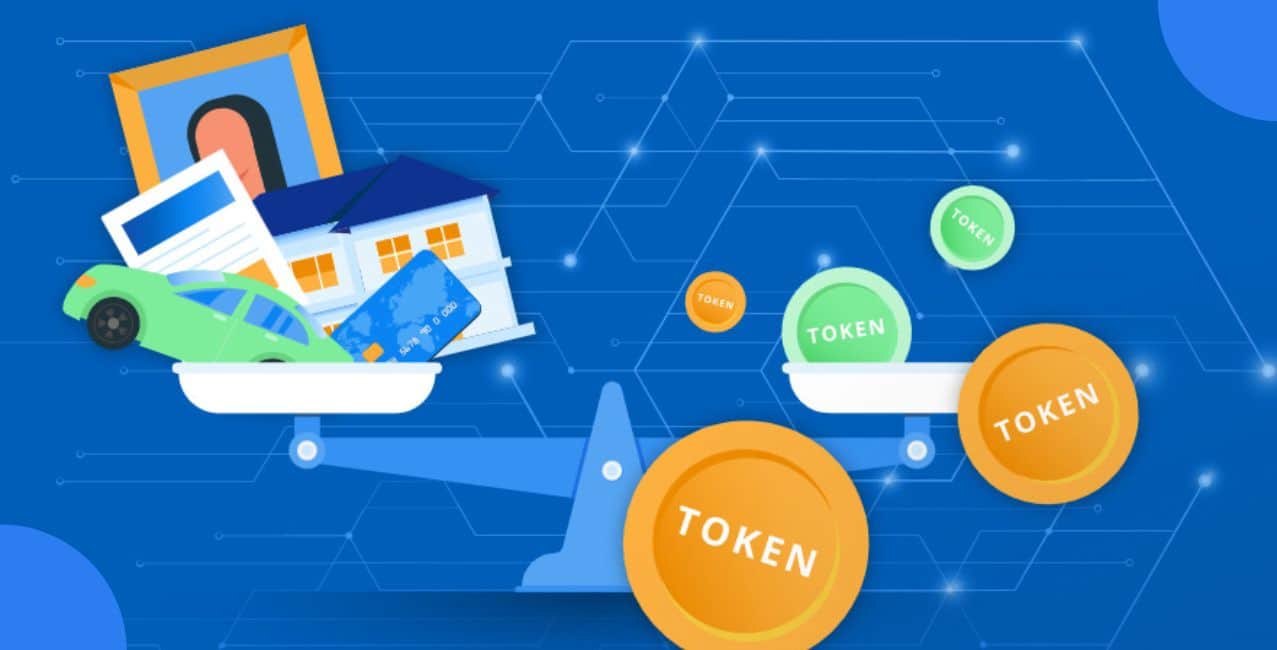
A tokenized asset is simply a digital version of something that already has real value. It could be money, a bond, a piece of property, or any other real or financial asset. The token is not just a name or label. It can carry rules that control how it is transferred, who owns it, and how the final settlement works.
Tokenization means creating and recording a digital copy of traditional assets on a programmable platform. These tokens can be native. That means they are created directly on the platform. Or they can be non-native. That means they represent assets that exist outside the platform. This difference matters because it affects legal ownership and risk.
This is important because ownership becomes much easier to track. You no longer need lots of separate records and manual checks. The token itself acts as a live digital proof of your claim or right. It also allows atomic settlement. Payment and transfer happen at the same time. This cuts down delays and reduces risk.
These are the main types of tokenized assets used today.
These are the main forms that come up in current policy and market talks. Tokenized money is mostly used for payments and settlements. Tokenized fund units represent investment products. Tokenized real assets are also growing, especially where ownership can be split into smaller parts, including cases like tokenized assets real estate.
Tokenized assets can bring a few clear gains:
These benefits are a big reason why tokenization is being watched closely in finance and digital ownership. People also check the tokenized assets crypto list to see popular options available today in crypto.
Real world assets are physical or off-chain assets that get a digital token linked to them. This can include property, land, commodities, or other items that still exist in the real world. The token does not replace the asset itself. It gives a digital way to show ownership, a share, or a claim on that asset. This is often called real world tokenized assets or tokenized real world assets RWAs.
The IMF notes that this is usually a representation of off-ledger assets on a programmable ledger. It means the system works across both on-chain and off-chain setups. Big players like BlackRock tokenized assets are already making moves in this space.
RWAs are important because they can make hard-to-sell assets easier to divide, transfer, and finance. But the link between the token and the real asset must be strong. If that link ever breaks, the token can lose trust, and its value drops.
Tokenization is not without risks. These systems still face problems like legal issues, pressure on cash flow, custody troubles, day-to-day operational failures, and online security threats.
*T&C Apply
A token legal in Singapore may not be allowed in the US
These risks show why strong rules and careful setup are very important before using tokenized assets. A tokenized assets crypto list can also help track how this market is growing.
The future of tokenization looks strong but not automatic. It may become a key part of the next financial system, especially when money, assets, and settlement rules work together on the same asset tokenization platform.
Still, growth will depend on clear laws, good system design, and strong trust. There is also a need for better links between different platforms and existing systems to avoid fragmentation. This shift is visible in ripple tokenized assets digital future.
In the near future, tokenization may grow first in areas where faster settlement, smaller investment amounts, and cleaner record-keeping are most important. Over time, it could become a normal way to create and transfer ownership in digital form through asset tokenization platforms.
Tokenized assets point to a new way of owning and moving value. They can make access wider, settlement faster, and record keeping cleaner. But they also need strict rules, safe systems, and a clear link between the token and the real asset.
The idea is powerful. Yet its success will depend on how well the risks are managed. If that balance is handled properly tokenized assets may become one of the biggest changes in digital ownership.
What is TAO (Tokenized Asset Offering)?
TAO is a way to raise money by selling digital tokens that represent real assets like property or art.
What are some possible use cases for tokenized assets?
People use them for real estate, bonds, funds, gold, and even carbon credits.
Is tokenization actually disrupting traditional finance or just hype?
It is starting to change finance with real growth, not just hype.
What advantages do tokenized assets have over traditional investment options?
They offer faster trades, smaller investments, and easier access for everyone.
Are tokenized assets safe or risky?
They carry risks like hacks and legal gaps but can be safer with strong rules.