By continuing, you agree to LoansJagat's Credit Report Terms of Use, Terms and Conditions, Privacy Policy, and authorize contact via Call, SMS, Email, or WhatsApp
Disclaimer: The information published on LoansJagat is intended for general informational and educational purposes only and should not be considered financial, legal, or investment advice. Interest rates, loan terms, statistics, and other data may change over time and may vary by lender or source. Please verify the latest information and consult a qualified financial advisor or the respective Bank/NBFC before making any financial decisions.
Subscribe Now
About the author

Vidhi Chauhan is a copywriter and content writer with extensive experience creating high-quality, SEO-driven content across multiple industries, with a strong focus on fintech. She has written extensively on GST, banking, personal loans, business loans, credit cards, income tax, insurance, and other financial topics, helping Indian readers understand complex concepts through clear, accurate, and engaging content.
Related Blog Post
Simplify All Your Loans Into One Affordable EMI

Customers Served

Debt Consolidated

1200+ Reviews

Locations in India
Club all Loans & Credit Card Bills into Single EMI

Quick Apply Loan
Consolidate your debts into one easy EMI.

Takes less than 2 minutes. No paperwork.

10 Lakhs+
Trusted Customers

2000 Cr+
Loans Disbursed

4.7/5
Google Reviews

50+
Banks & NBFCs Offers
Other services mentioned in this article
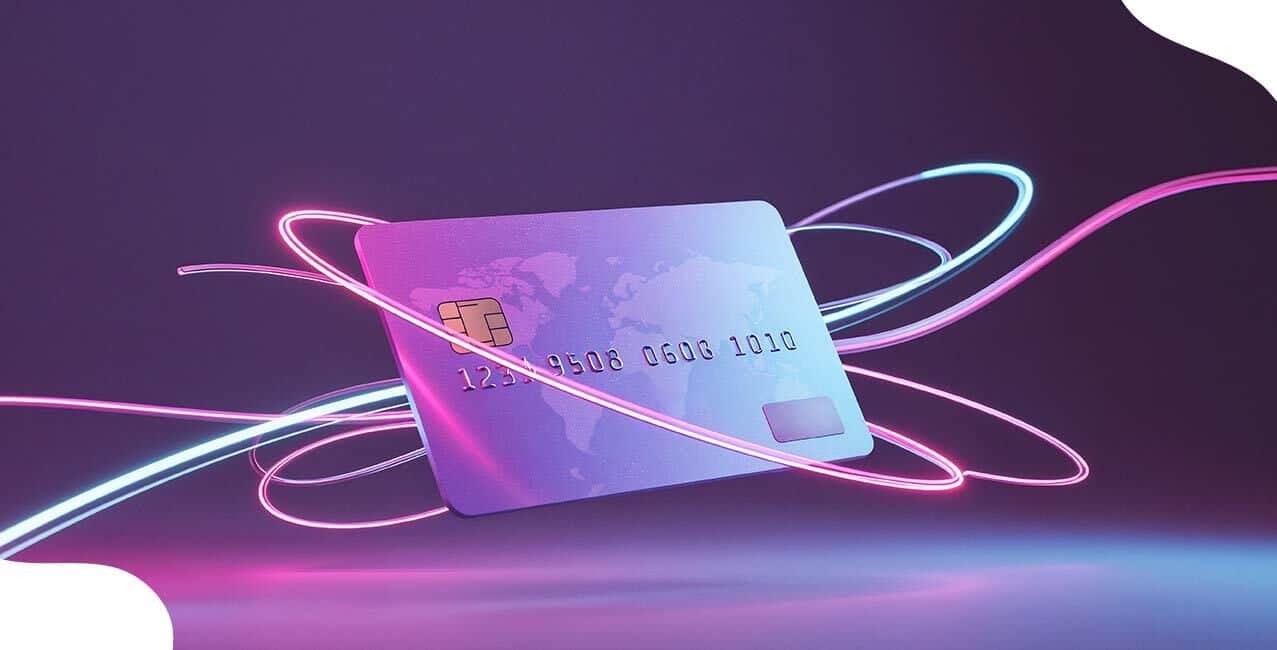
A debit card is a payment card associated with a bank account that makes it easy for you to access your money. Unlike the credit card that allows you to borrow money to repay in the future, the debit card works by withdrawing funds from the money available in your bank account. Through it, you can buy things in shops, pay bills, shop online, withdraw money through ATMs, and make contactless payments.
There are also other features like PIN protection, spending limit, transaction alert, and mobile control on debit cards. Though they make life easier and enable you to manage the amount you spend from your balance, some transactions could incur fees.
Knowing what a debit card is, how it operates, its features, advantages, and applicable fees will ensure that you are making use of it appropriately without incurring unnecessary expenses. Let’s learn about it in detail with the help of this blog.
Key Takeaways
The debit card is the payment card that is tied up directly to your bank account. With this card, you will be able to buy products, pay utility bills, shop online, and get money from ATMs using the funds from your bank account. In contrast to the credit card, when you use the debit card, you do not have to borrow any money.
When you make a payment with the help of the debit card, the sum is withdrawn directly from your bank account. Depending on the type of transaction, you will be asked to type in the PIN code, sign your name, and take part in other authentication processes. Your account balance will determine the sum that you can spend.
A debit card offers convenient access to your bank account.
Overall, debit cards combine easy access, convenience, and spending control.
Even though the use of debit cards eliminates the need to pay interest on credit card transactions, some fees could be incurred:
*T&C Apply
Being aware of debit card fees helps you control costs and avoid unexpected charges.
A debit card allows you to easily and conveniently withdraw money from your bank account. It offers many advantages such as access to ATMs, contactless payment options, PIN protection, transaction limits, and transaction notifications that simplify your daily payments. Nevertheless, some of these transactions can be associated with additional fees.
Many debit cards can be used for making recurring payments and for paying monthly or yearly subscriptions and memberships. The merchant might need your card information as well as an earlier authorisation from you for making recurring deductions from the card.
Yes, the debit card, which is configured for international use, can be used internationally in merchant establishments as well as at international ATMs.
Your bank may renew or replace your debit card before it expires, subject to its policy and the status of your account. You need to change the card information at all the merchant establishments that are using your card for making recurring payments.
Since the transaction has already been done using the debit card, there is no way that the transaction can be reversed right away, since the money has already been paid. But in cases of unauthorised or erroneous transactions, you may contact the merchant or file a dispute with the bank.
You can use a debit card without a PIN for online purchases, where card details and often an OTP are required. Contactless payments can also work without a PIN for eligible low-value transactions. In India, the contactless limit is generally ₹5,000 per transaction.
Yes, the banks can set up different daily limits for ATM withdrawals, point-of-sale transactions, online transactions, and contactless transactions. These limits can differ depending on the type of card and bank.
Yes, one can withdraw cash through their debit card using ATMs provided by the bank or other networks.
There are many ways to link your debit card to compatible digital wallets for making payments through mobile phones. Banks and digital wallets may ask for further verification to enable the use of your card.
Before starting to use your newly received debit card, you need to follow some guidelines provided by your bank. It is necessary to sign your debit card and discard any old card that has been discontinued.
Never give away your card number, CVV, PIN, and OTP to anyone no matter what they say about being a representative of the bank.